AQA · GCSE, Key Stage 4
AQA GCSE Required Practicals: Simulators and Calculators
Simulators and calculators for the AQA GCSE required practicals in biology, chemistry and physics, from osmosis and titration to specific heat capacity.
28 tools across 16 practicals
Microscopy
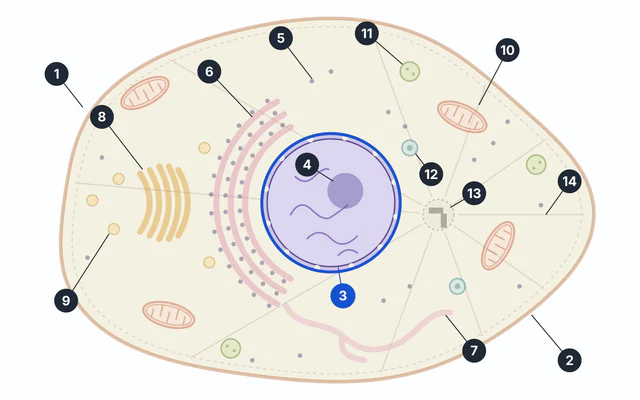
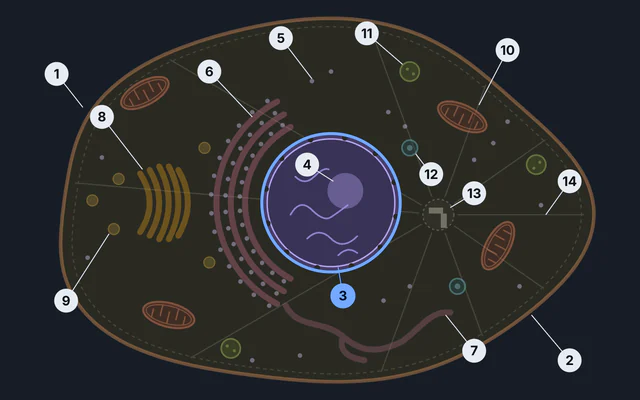
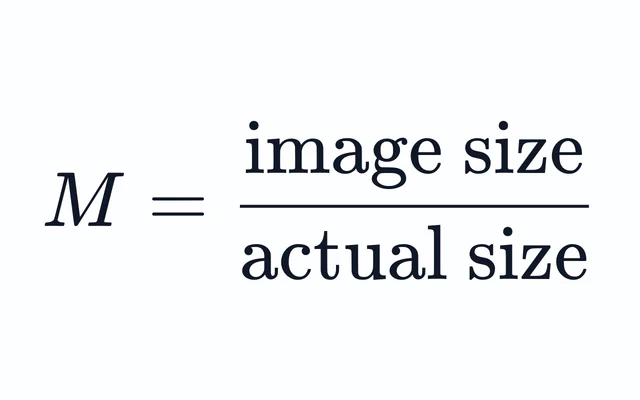
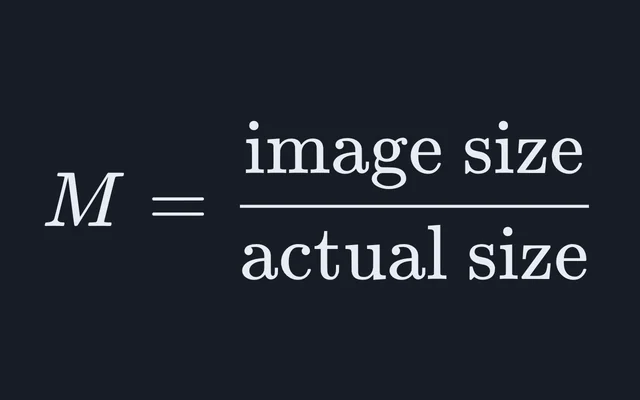
Number 1 in GCSE Biology and in Trilogy: observe, draw and label plant and animal cells under a light microscope with a magnification scale, then work out total magnification and actual size and name each organelle you draw.
Microbiology
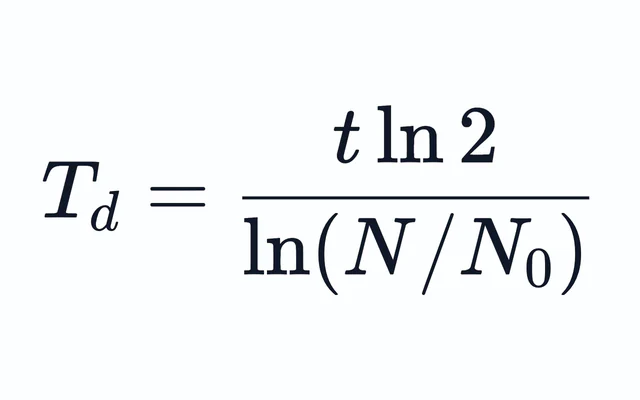
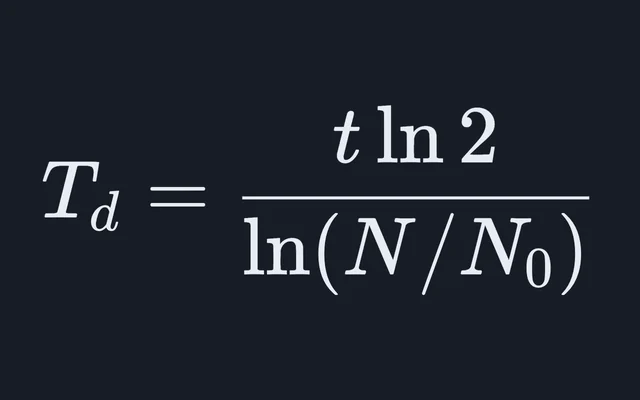
Number 2 in GCSE Biology only: antiseptics or antibiotics against bacterial growth on agar plates, plus the calculation the same section of the specification asks for, the number of bacteria after a given time from the mean division time.
Osmosis
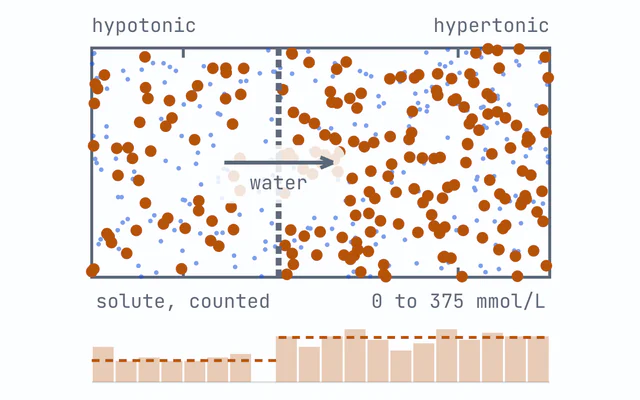
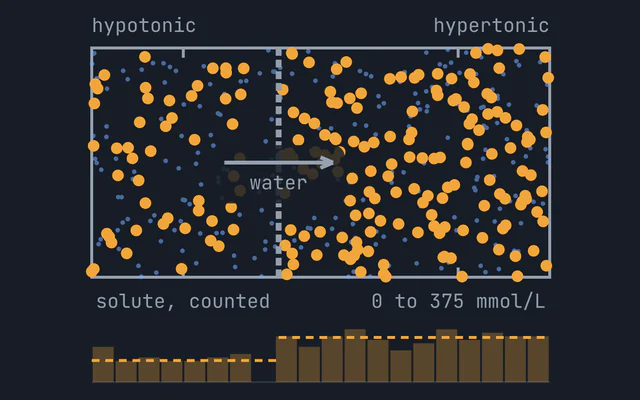
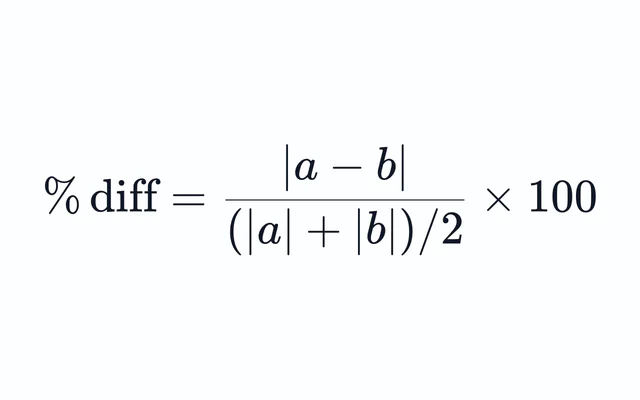
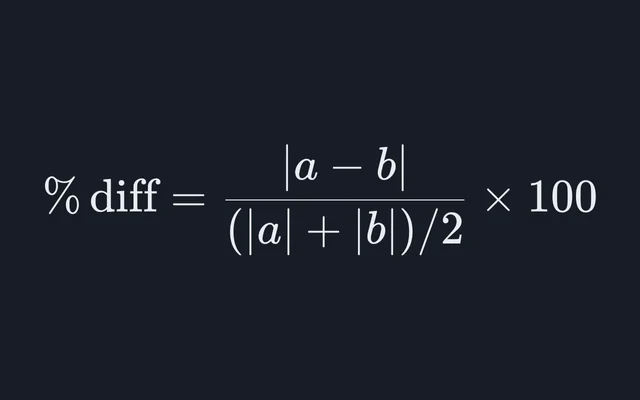
Number 3 in GCSE Biology and 2 in Trilogy: the effect of a range of salt or sugar concentrations on the mass of plant tissue, with the water movement shown, the solution that matches the tissue’s water potential found, and each change in mass turned into a percentage gain or loss.
Photosynthesis
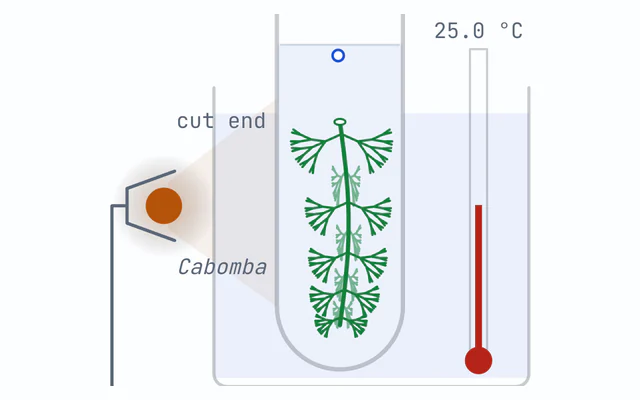
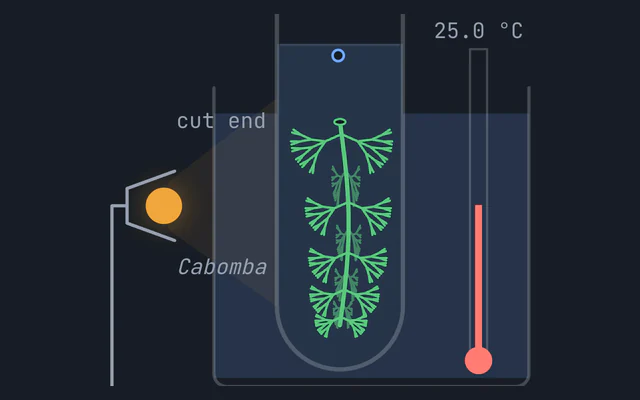
Number 6 in GCSE Biology and 5 in Trilogy: the effect of light intensity on the rate of photosynthesis in pondweed, with oxygen bubbles counted as the light changes and the limiting factor named once light stops being one.
Reaction time
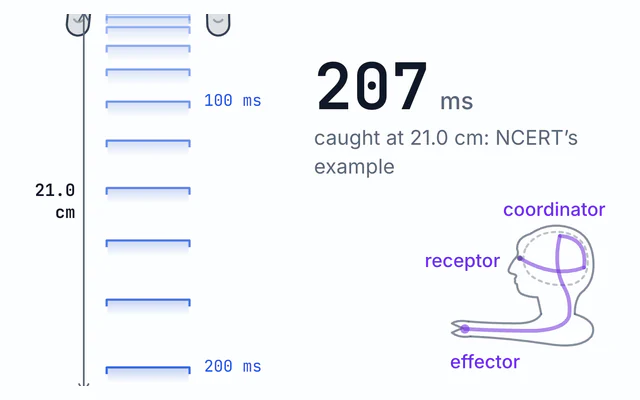
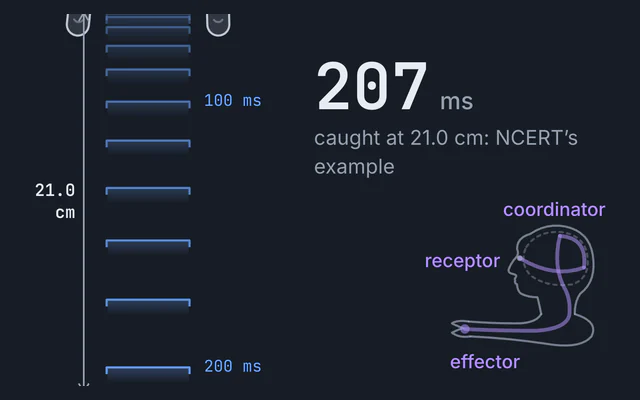
Number 7 in GCSE Biology and 6 in Trilogy: the effect of a factor on human reaction time, with each ruler catch distance turned into a time by t = √(2d/g).
Titration
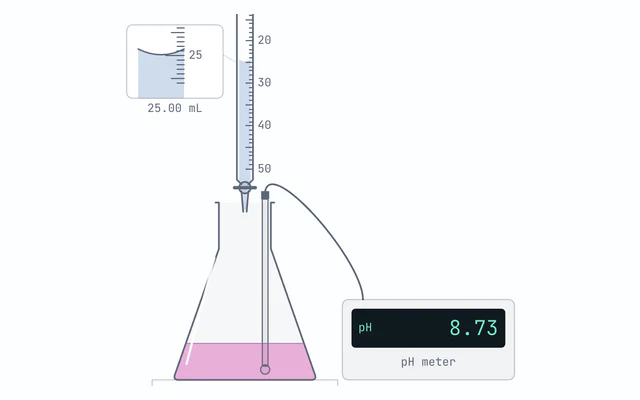
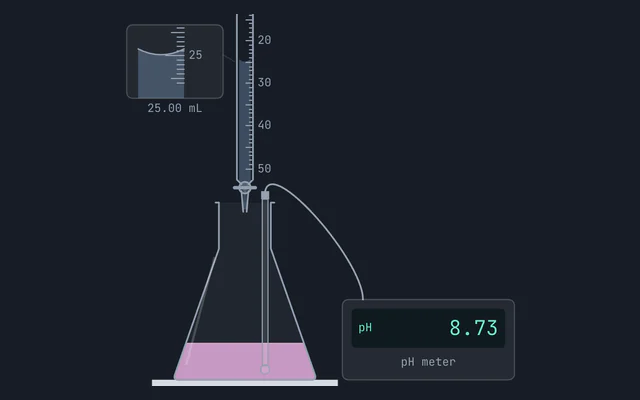
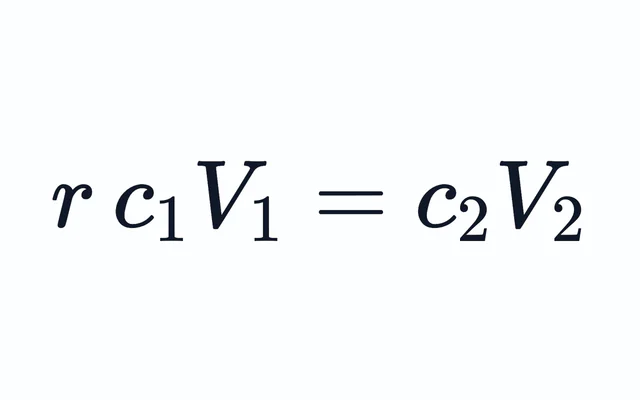
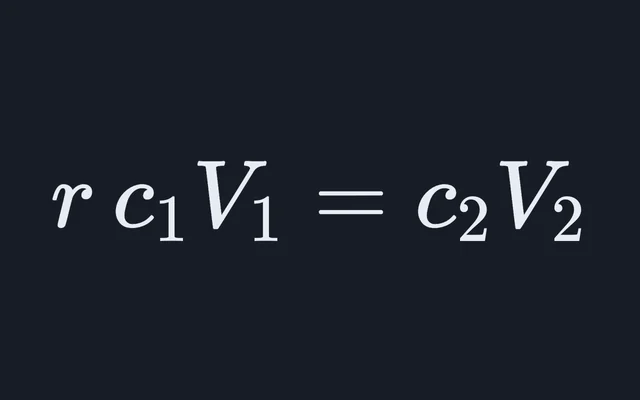
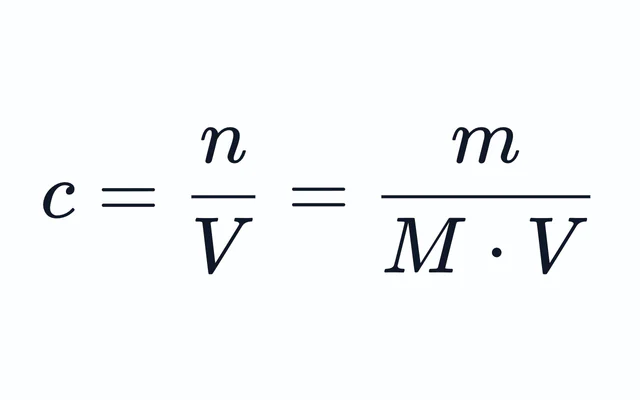
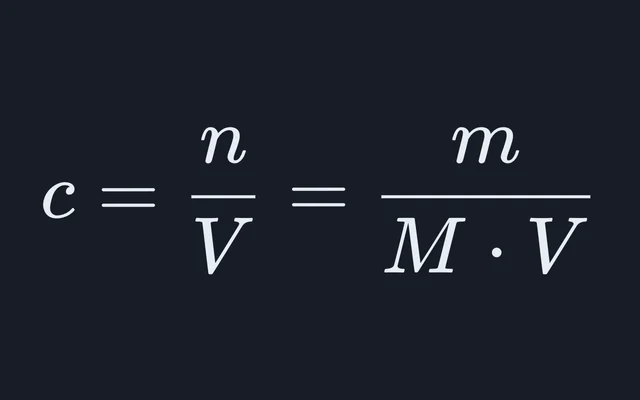
Number 2 in GCSE Chemistry only, Neutralisation in AQA’s handbook: the reacting volumes of a strong acid and a strong alkali by titration and, for higher tier, the concentration of one solution in mol/dm³ and g/dm³.
Chromatography
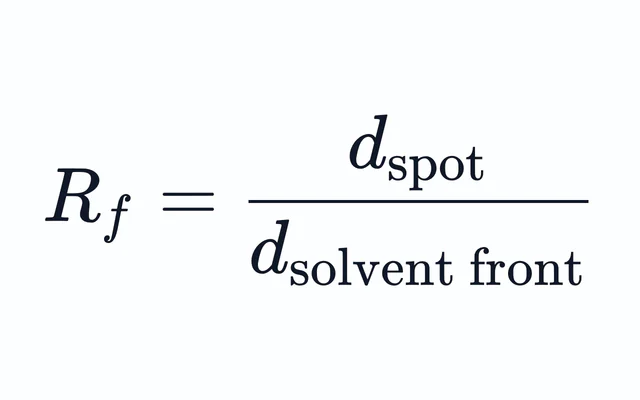
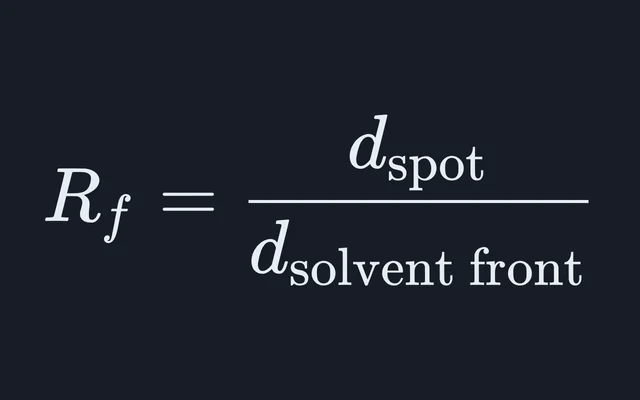
Number 6 in GCSE Chemistry and 12 in Trilogy: paper chromatography to separate and tell apart colored substances, with the Rf value of each spot found from the distance it moved and the distance the solvent front moved.
Identifying ions
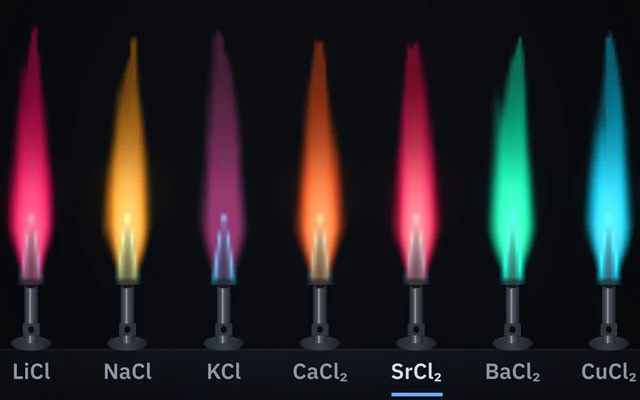
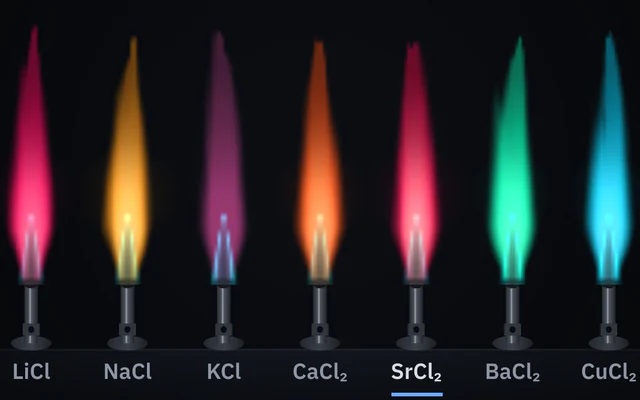
Number 7 in GCSE Chemistry only: chemical tests for the ions in unknown single ionic compounds, with flame tests for the five metals the specification lists, lithium, sodium, potassium, calcium and copper, each split into its spectrum.
Specific heat capacity
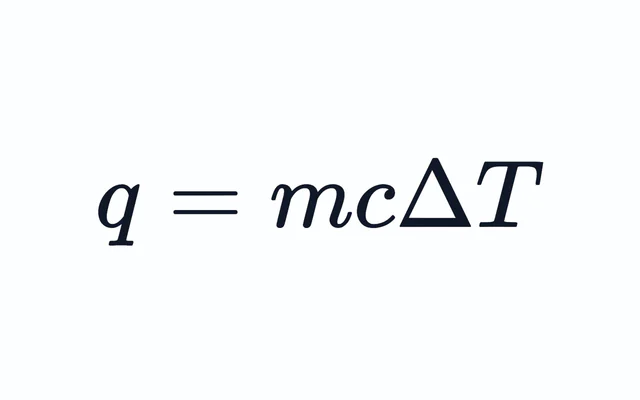
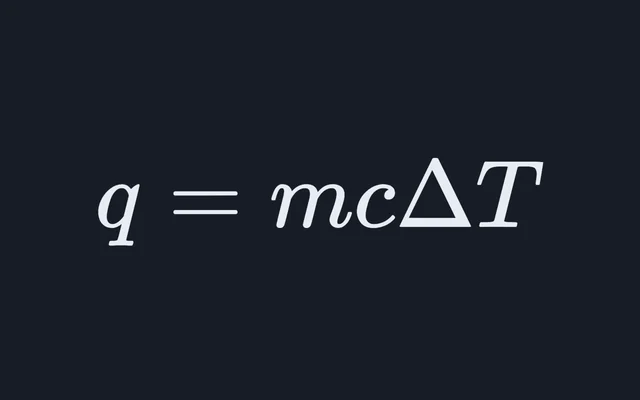
Number 1 in GCSE Physics and 14 in Trilogy: the specific heat capacity of a material from the energy a heater transfers and the temperature rise it causes, solved from mass, energy and temperature change and compared with copper, aluminium or water.
Resistance
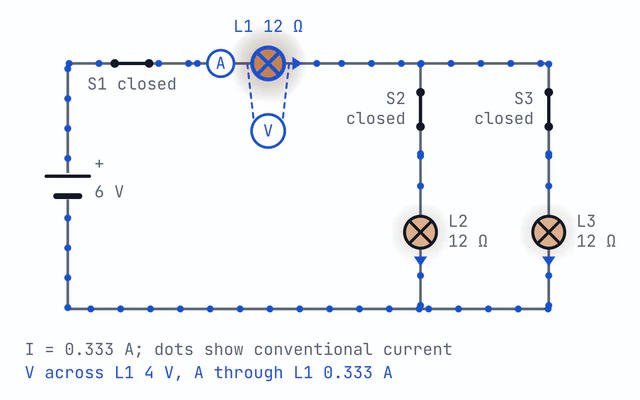
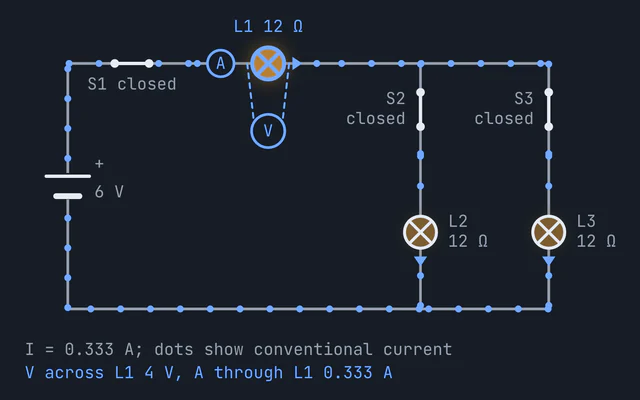
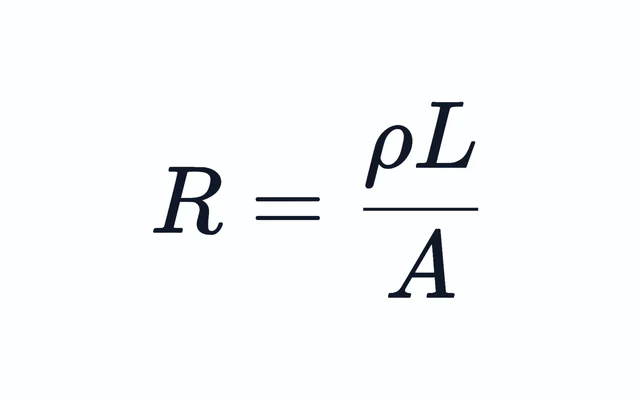
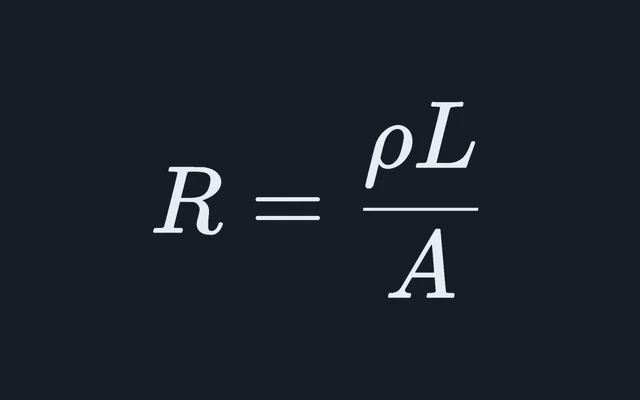
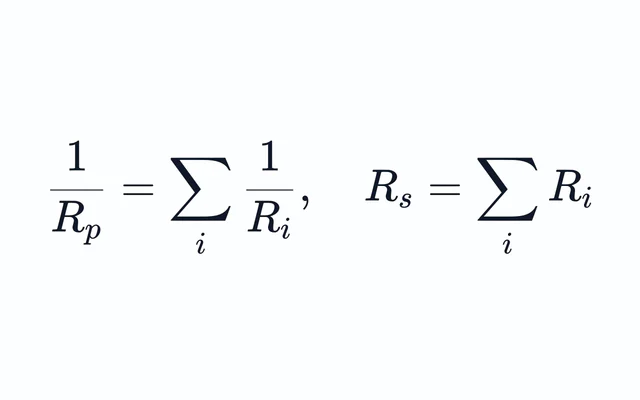
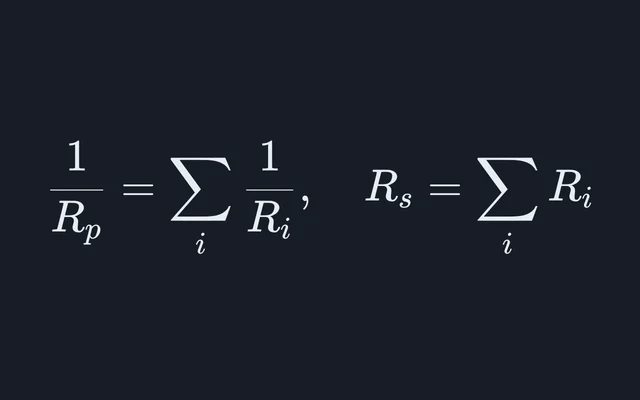
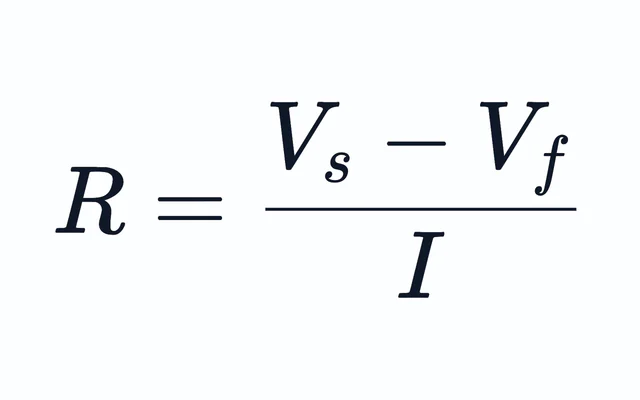
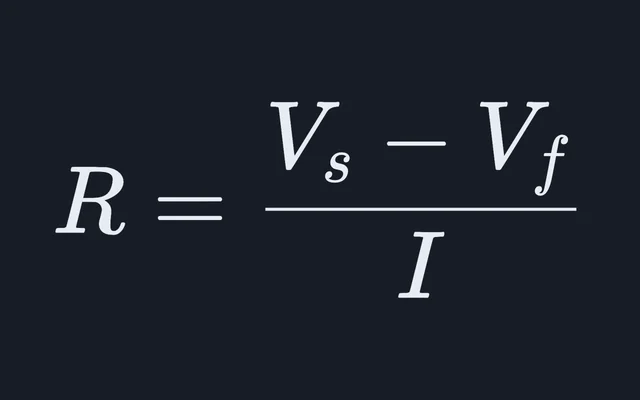
Number 3 in GCSE Physics and 15 in Trilogy: how the length of a wire at constant temperature, and combinations of resistors in series and parallel, affect resistance, down to the current through each resistor.
I-V characteristics
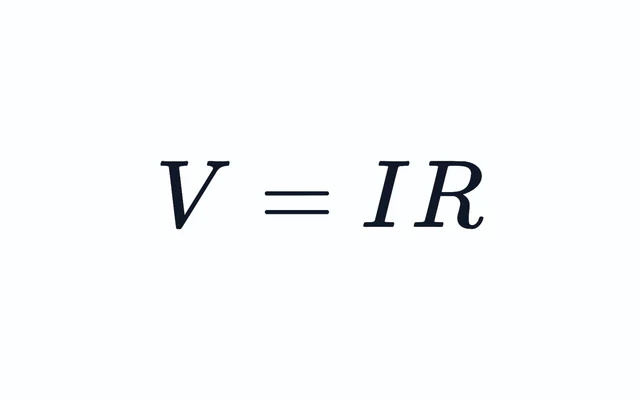
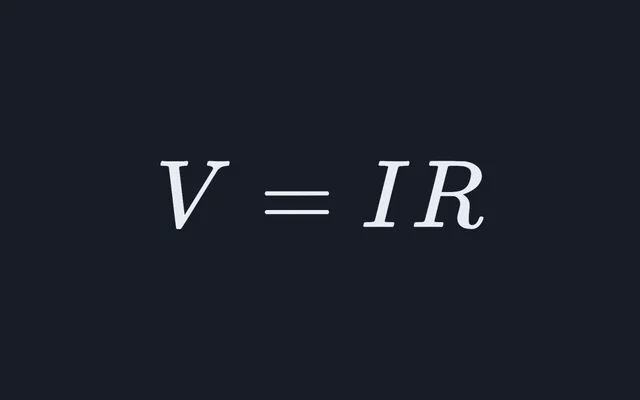
Number 4 in GCSE Physics and 16 in Trilogy: the I-V characteristics of a filament lamp, a diode and a resistor at constant temperature, with why only the resistor keeps one resistance and why a diode passes almost no current below its forward voltage.
Density
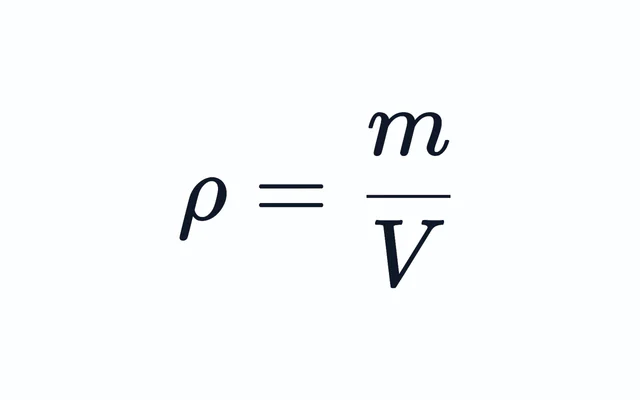
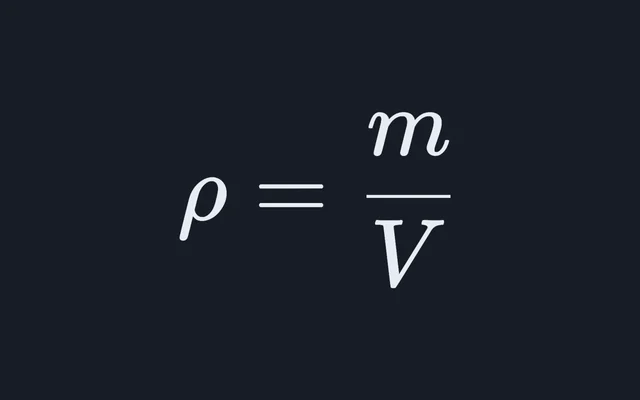
Number 5 in GCSE Physics and 17 in Trilogy: the densities of regular and irregular solid objects and liquids, with the volume of an irregular object found by displacement and ρ = m/V solved for density, mass or volume.
Force and extension
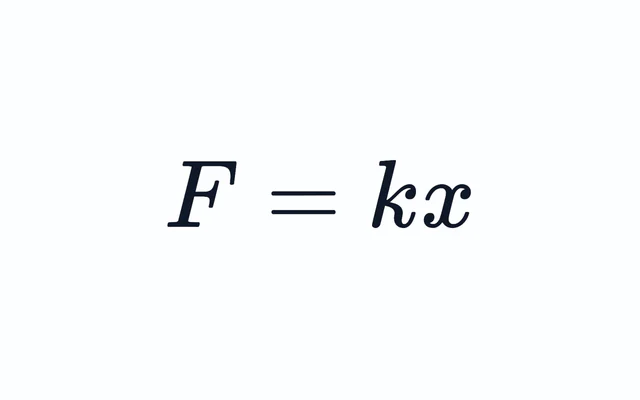
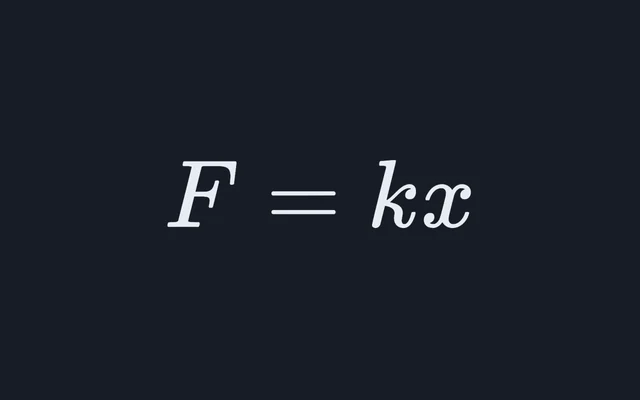
Number 6 in GCSE Physics and 18 in Trilogy: the relationship between force and extension for a spring, with Hooke’s law solved for the spring constant and the elastic energy the spring stores.
Acceleration
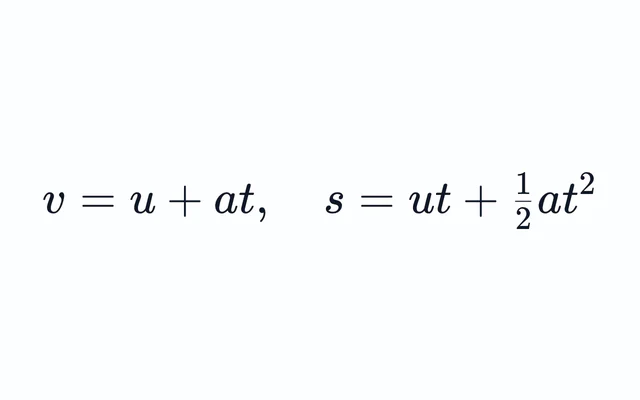
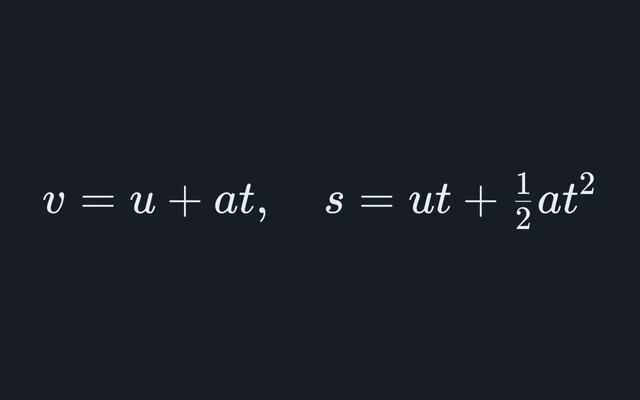
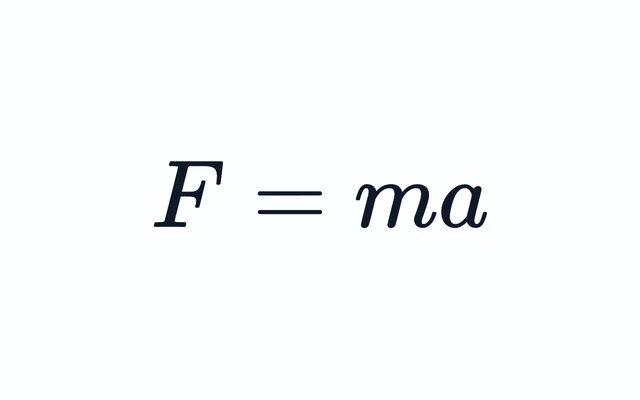
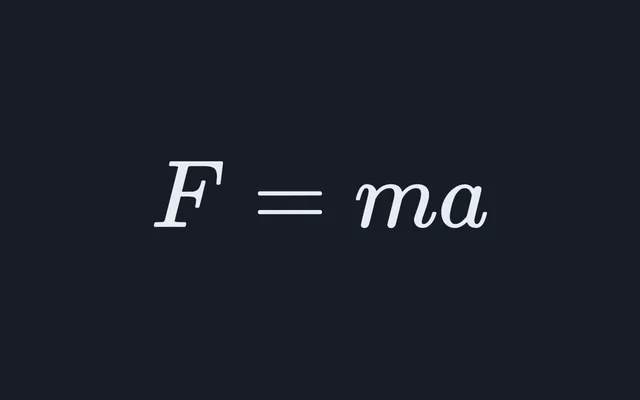
Number 7 in GCSE Physics and 19 in Trilogy: the effect of force on the acceleration of a constant mass, and of mass at constant force, with the acceleration found from measured distance and time and set against force divided by mass.
Waves
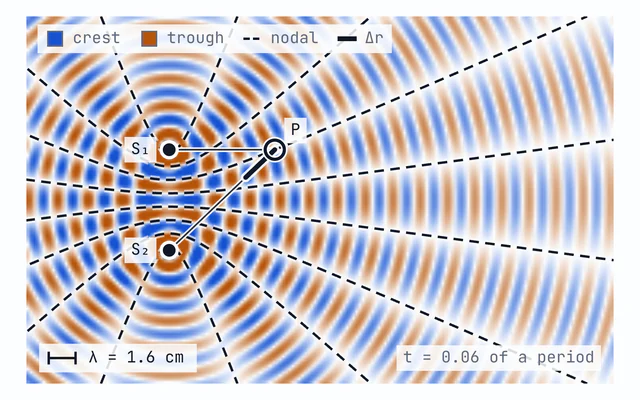
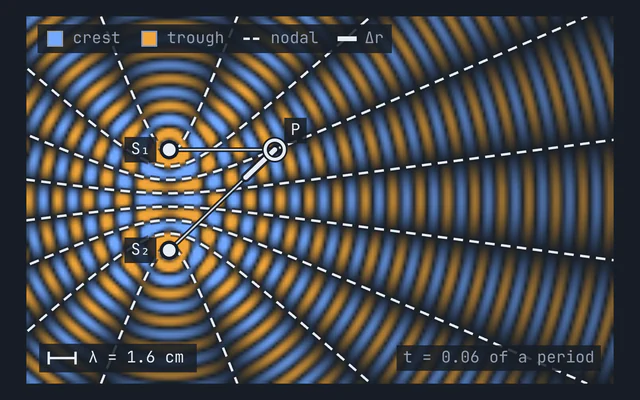
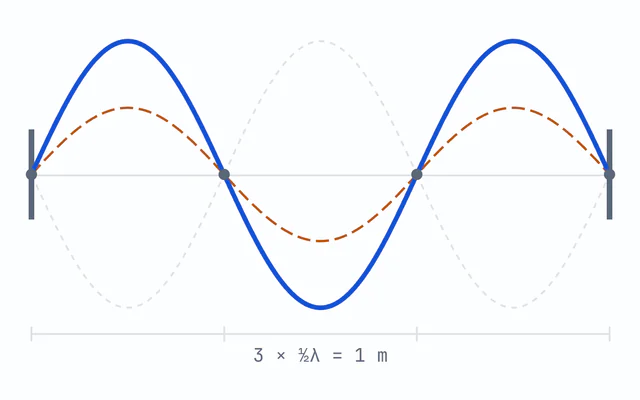
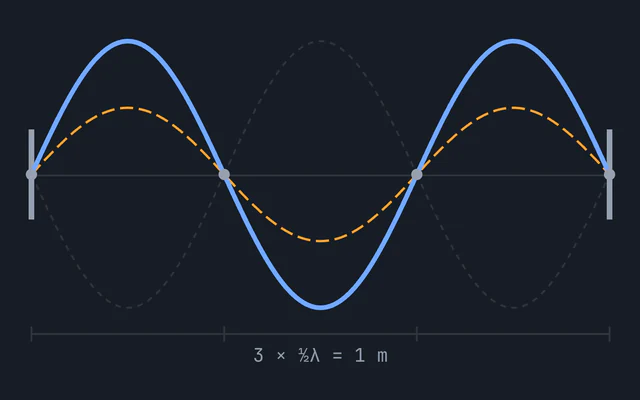
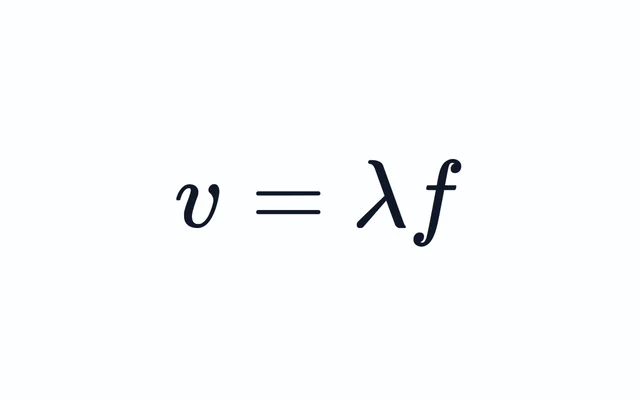
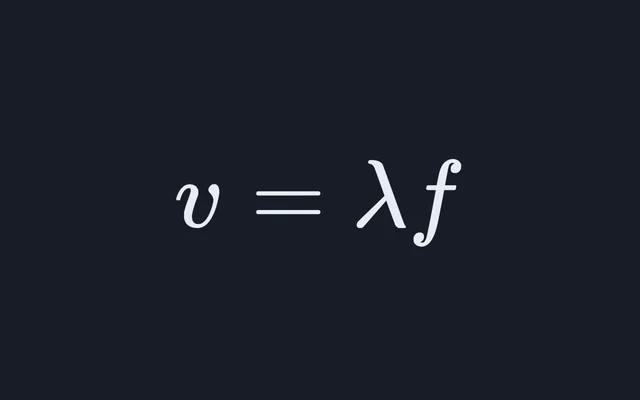
Number 8 in GCSE Physics and 20 in Trilogy: the frequency, wavelength and speed of waves in a ripple tank and in a solid, which AQA’s handbook sets up as a vibrating string, with wave speed from frequency times wavelength.
Light
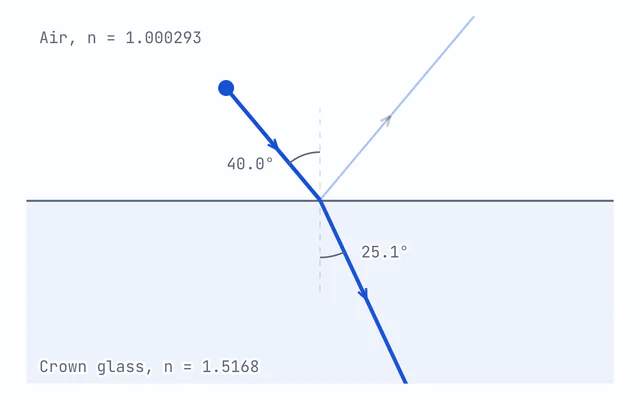
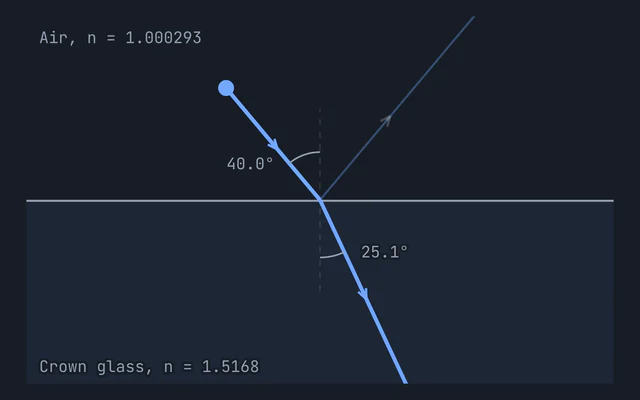
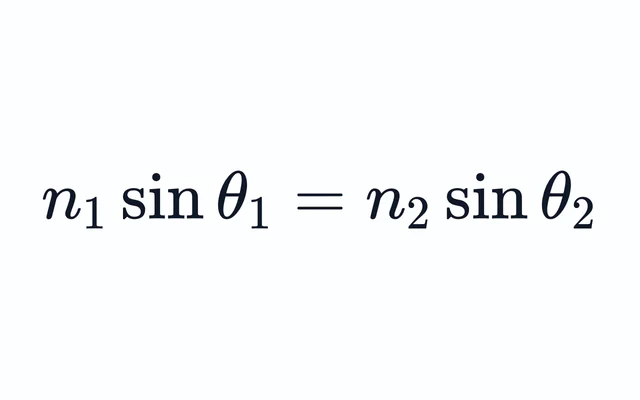
Number 9 in GCSE Physics only: the reflection of light by different types of surface and its refraction by different substances, with a ray traced through a glass block, the reflected share shown and the angle of refraction found for any pair of materials.
What are the AQA GCSE required practicals?
AQA’s required practicals are the experiments its GCSE science specifications name and number for each subject. This page lists the 16 that a tool on this site models or calculates, from microscopy and osmosis in biology to titration and chromatography in chemistry and specific heat capacity, resistance and waves in physics.
AQA’s specifications set 10 required practicals in GCSE Biology (8461), 8 in GCSE Chemistry (8462), 10 in GCSE Physics (8463) and 21 in Combined Science: Trilogy (8464), which carries all but the seven marked biology, chemistry or physics only, and the written papers include questions that draw on them. Trilogy numbers its practicals in one run from 1 to 21, so a shared practical carries two numbers. This page lists a practical only where a tool here models its measurement or works its calculation, so Enzymes and Rates of reaction are absent: the enzyme simulator leaves out pH, and the collision theory simulator does not vary concentration.
Course outline: AQA GCSE Biology 8461 (version 1.0, 2016), Chemistry 8462 (version 1.1, 2019), Physics 8463 (version 1.1, 2019) and Combined Science: Trilogy 8464 (version 1.1, 2019) specifications, with AQA’s required practical handbooks for 8461, 8462 and 8463 (2018).