Engineering Calculators and Simulators
Shear force and bending moment diagrams, PID tuning, Bode plots, a psychrometric chart, heat engine cycles and circuit values, each citing its source.
31 tools in 5 groups
Beams, statics and materials
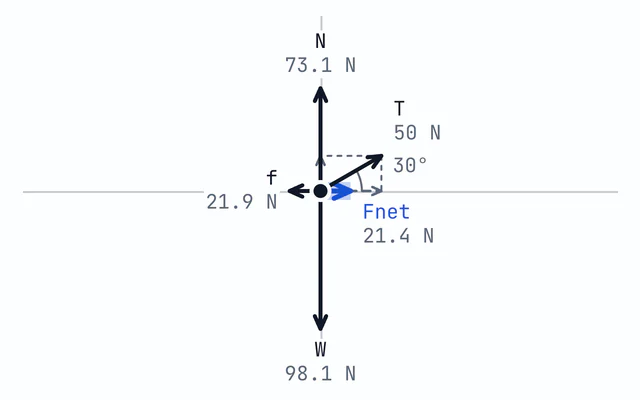
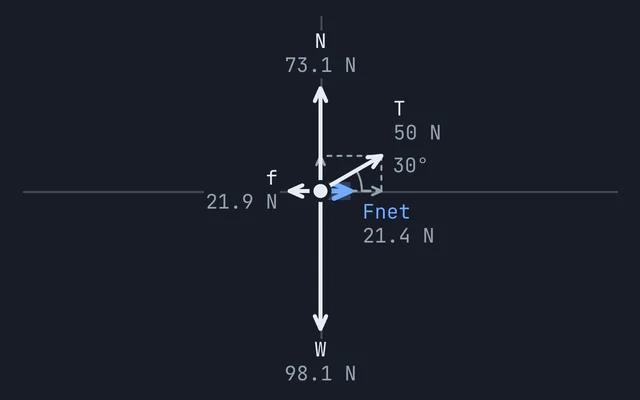
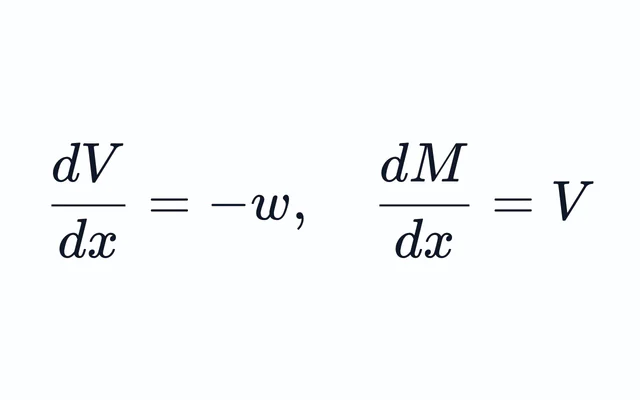
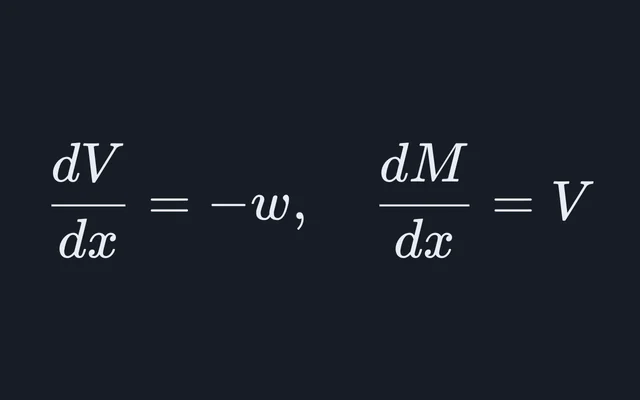
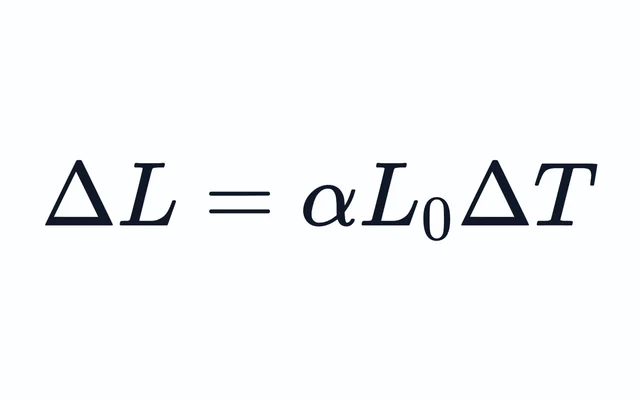
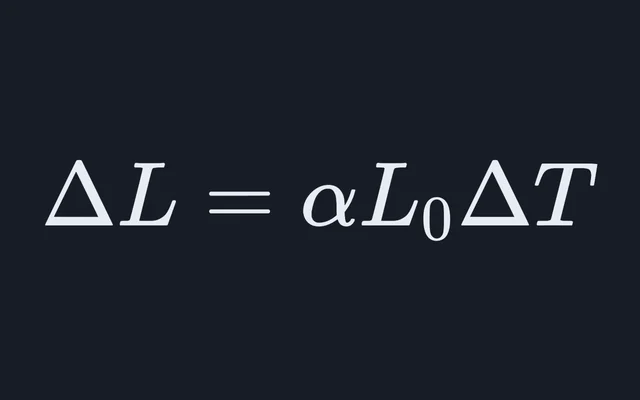
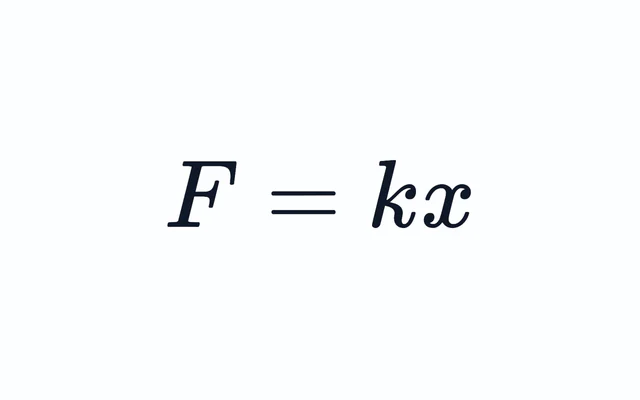
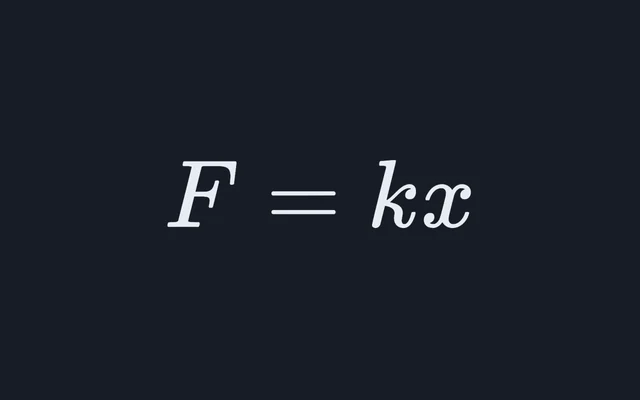
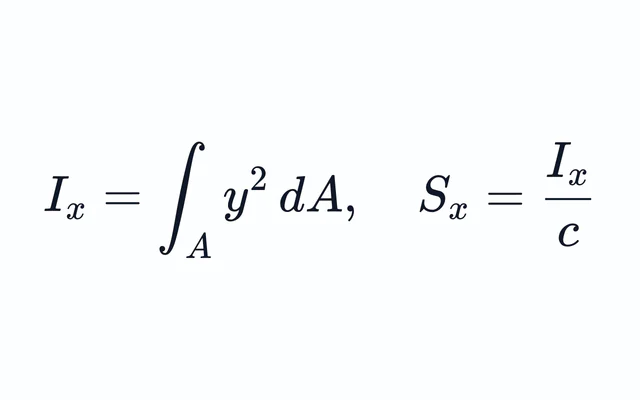
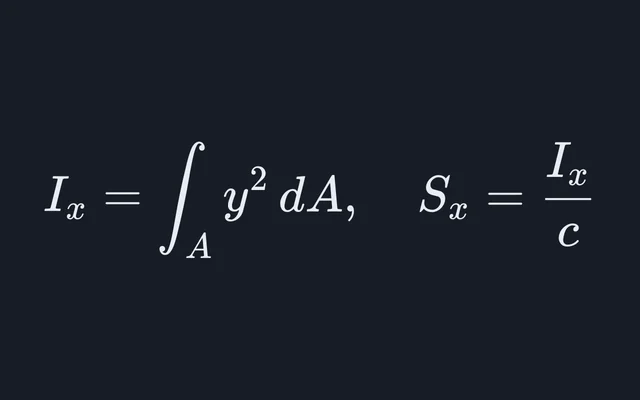
Beam reactions and diagrams, forces resolved into components, moments, springs and restrained thermal expansion.
Control, vibration and signals
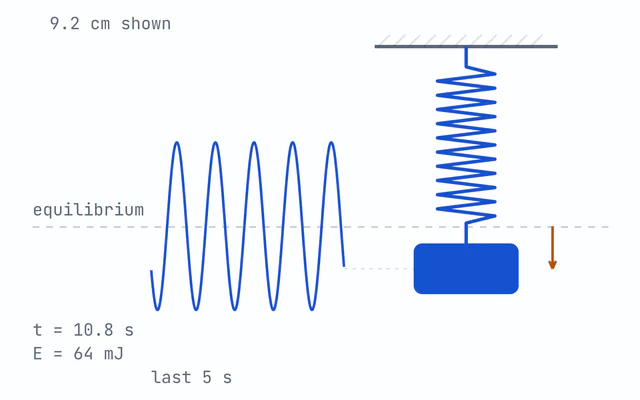
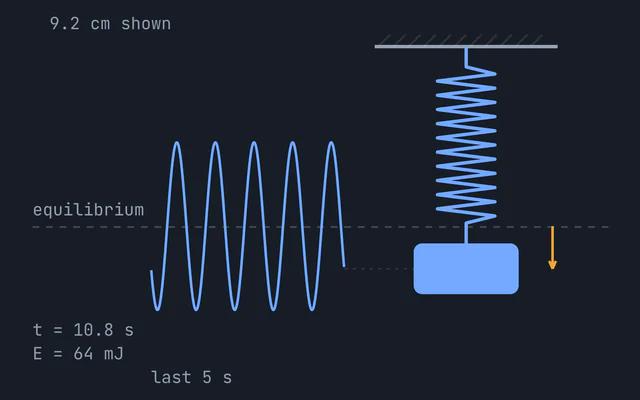
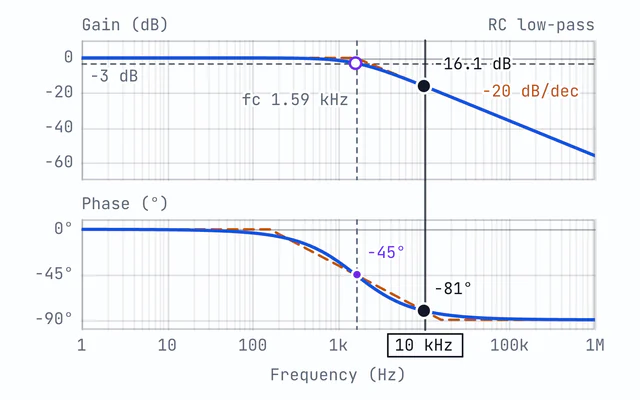
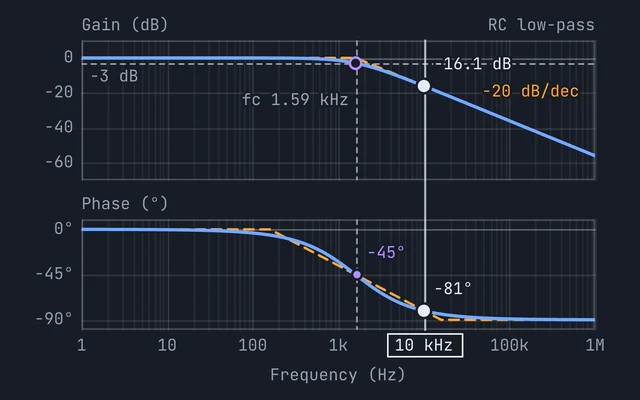
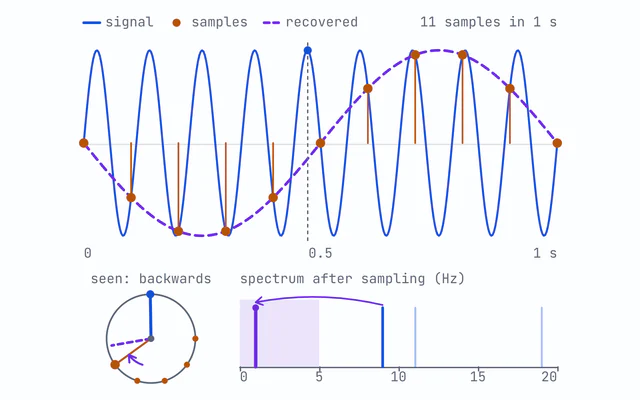
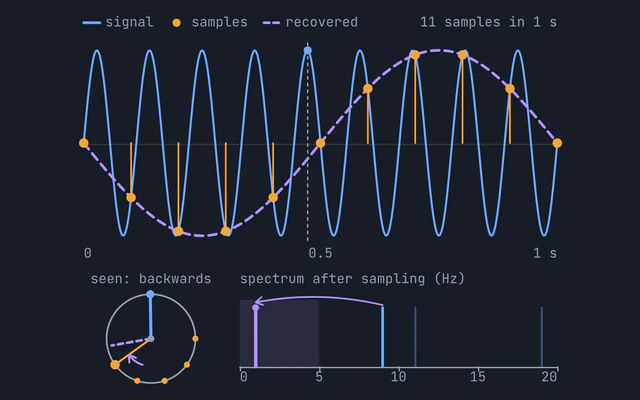
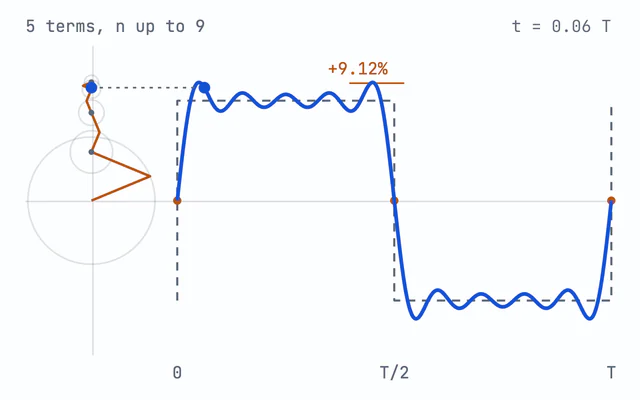
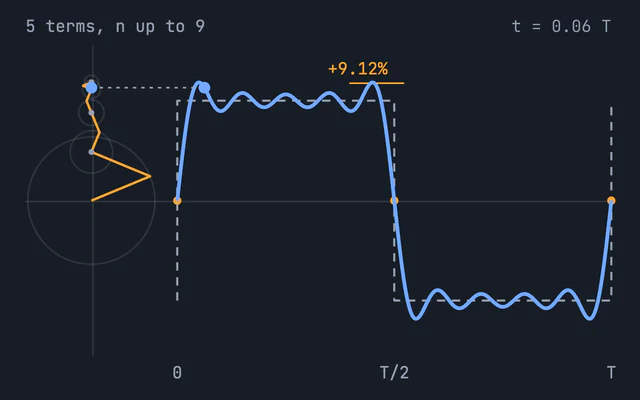
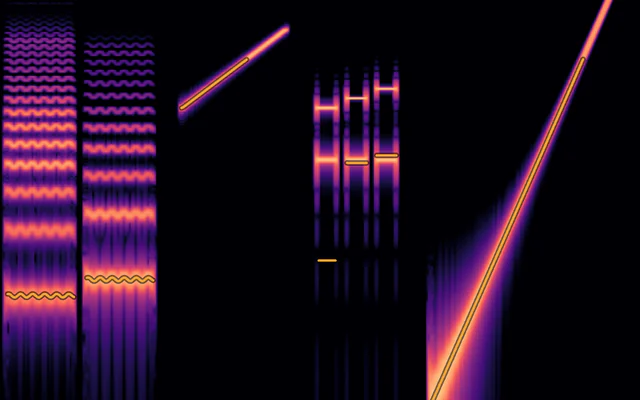
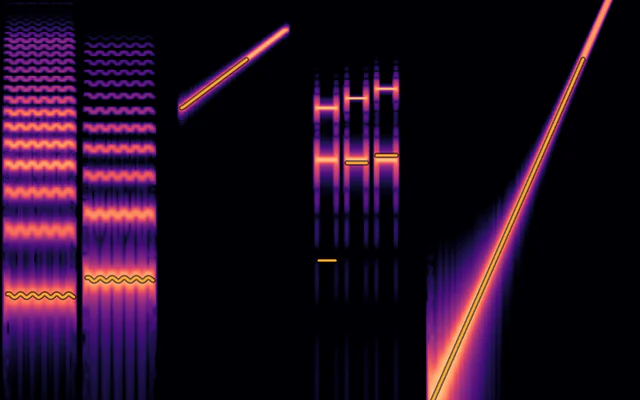
PID tuning, damping and resonance, filter gain and phase, sampling, and the harmonics and spectrum of a signal.
Circuits and electronics
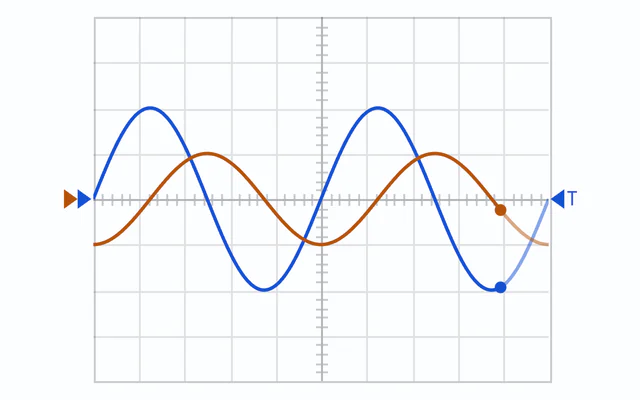
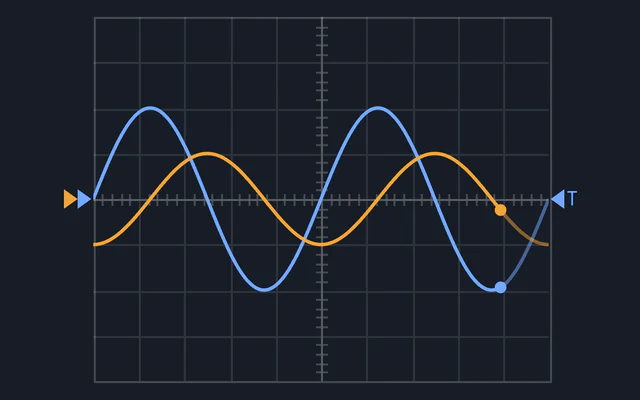
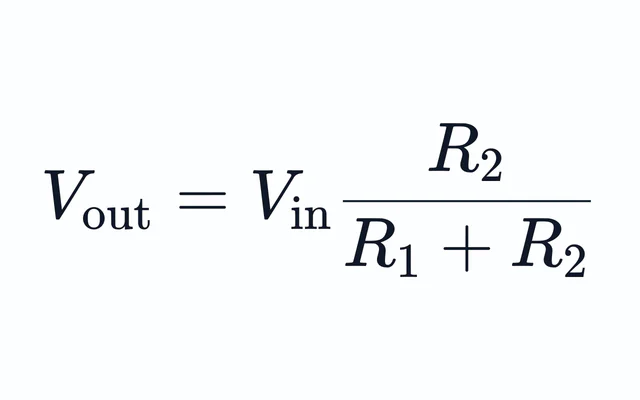
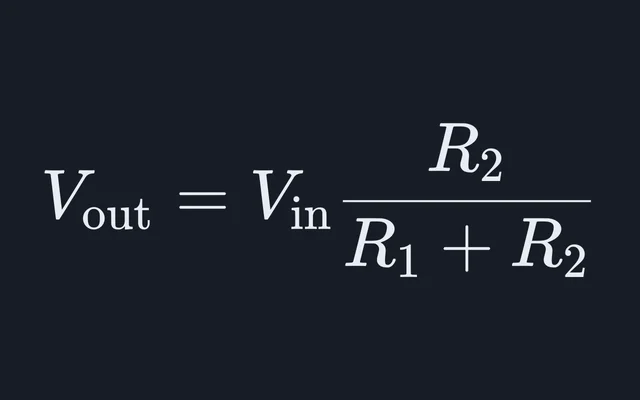
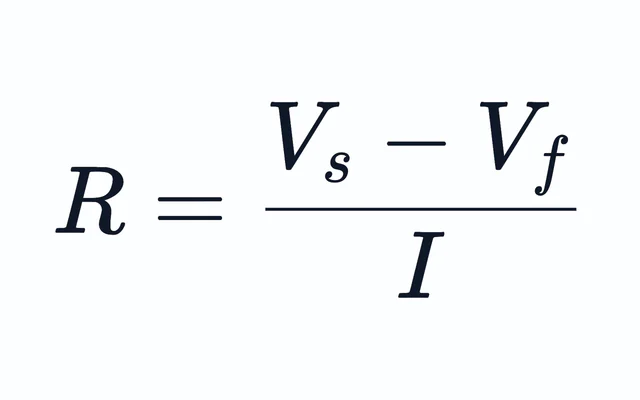
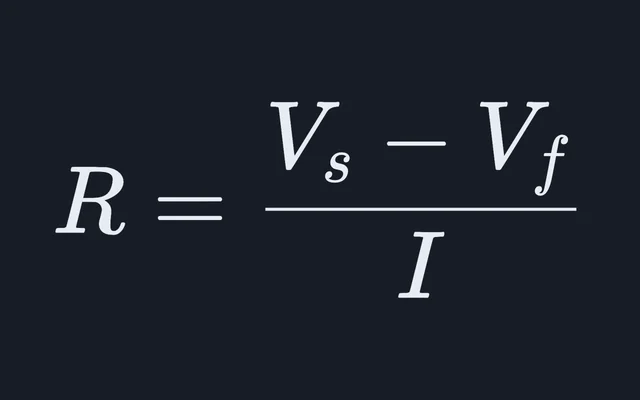
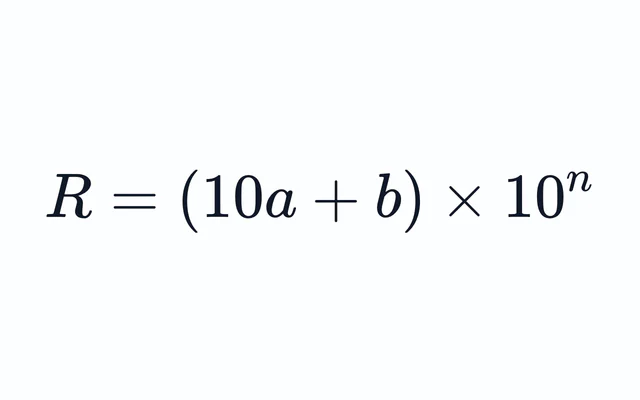
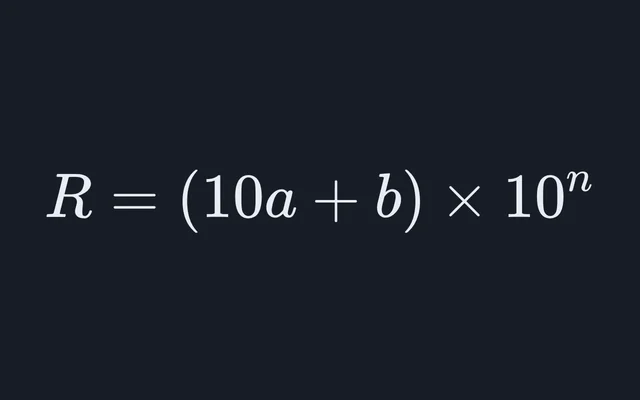
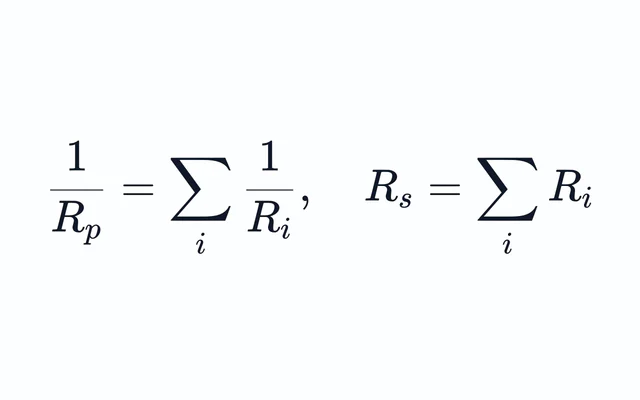
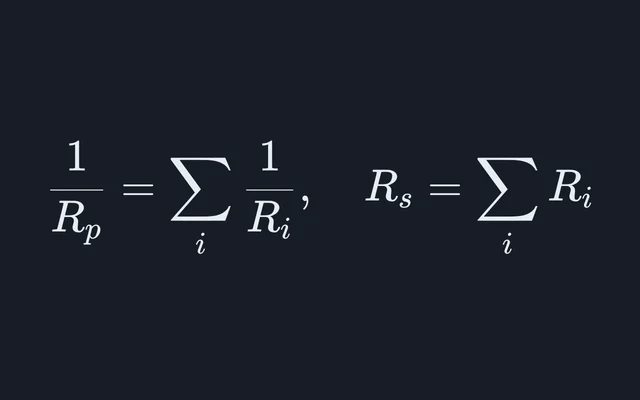
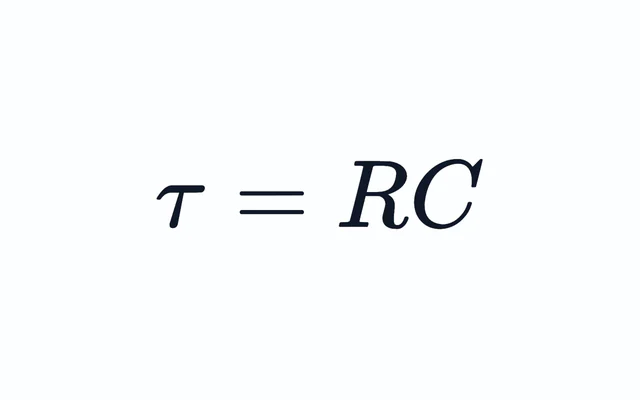
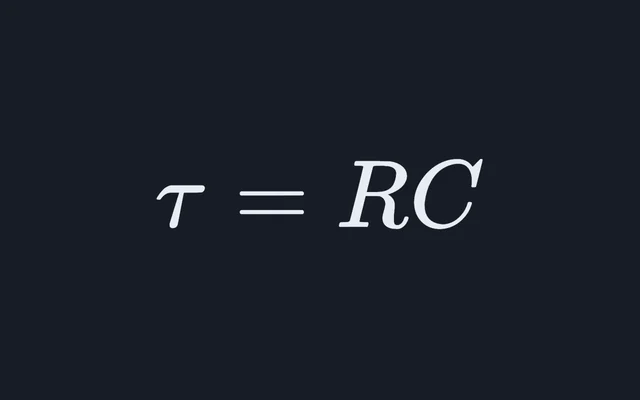
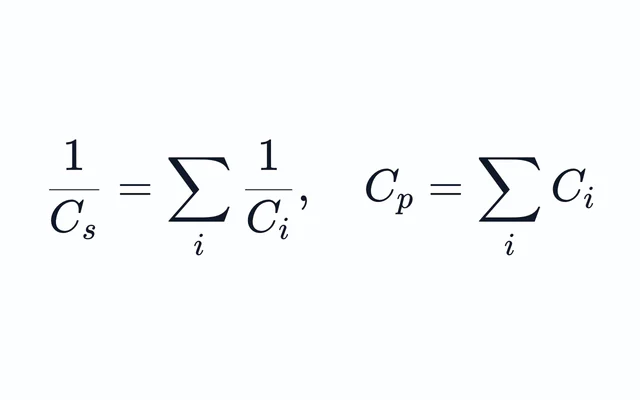
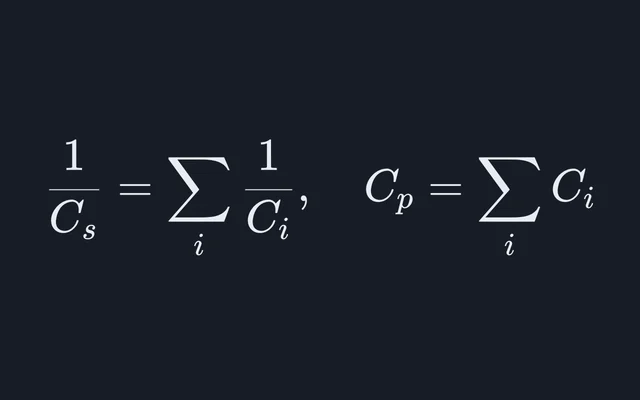
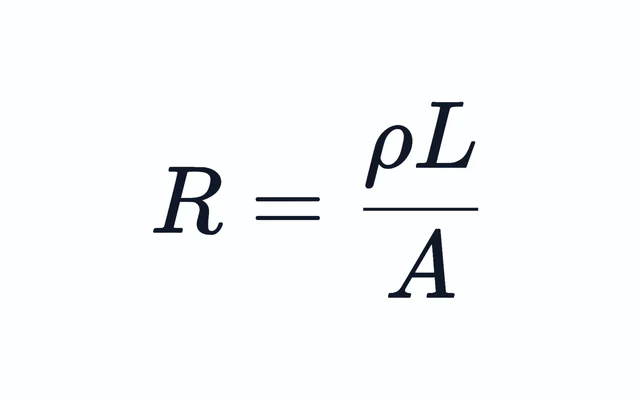
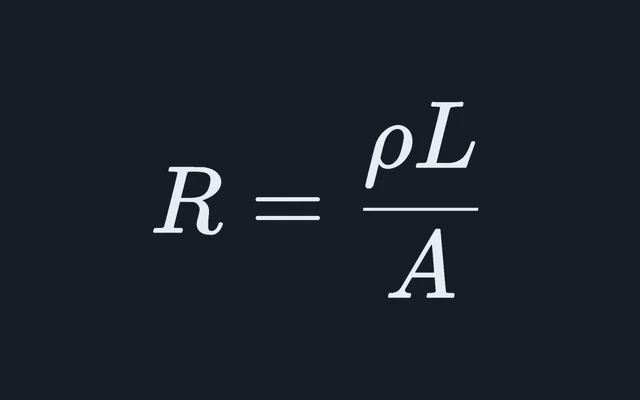
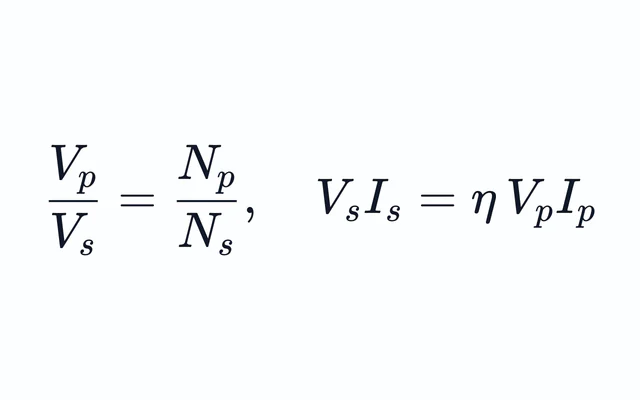
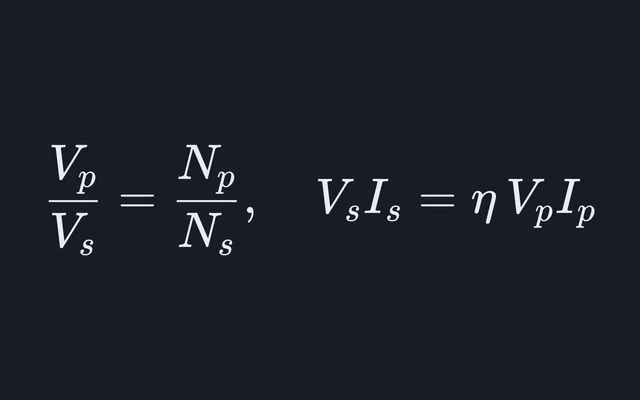
Divider, LED, resistor, capacitor and wire values for the parts on a board, and an oscilloscope to practice on.
Thermal and HVAC
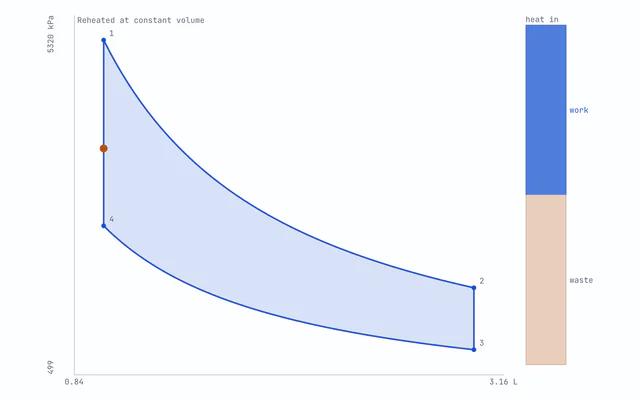
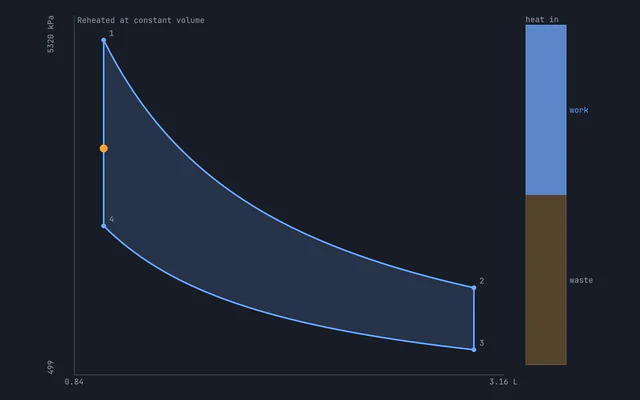
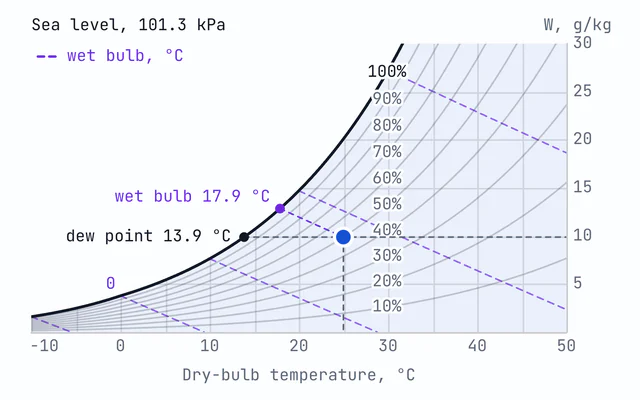
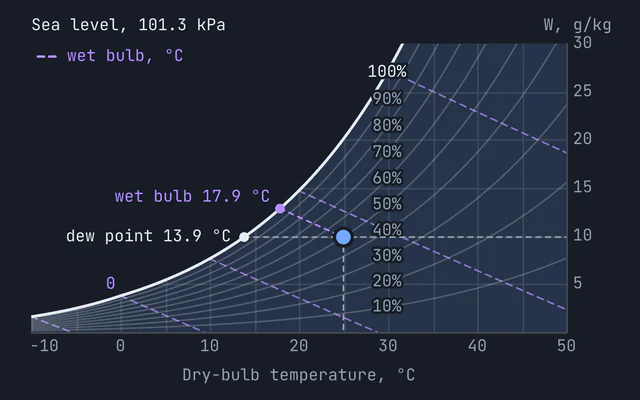
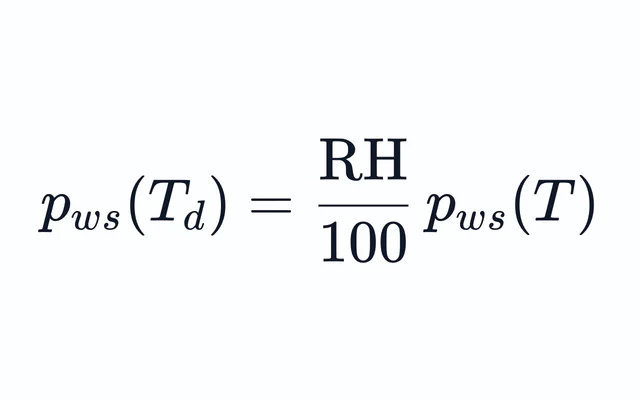
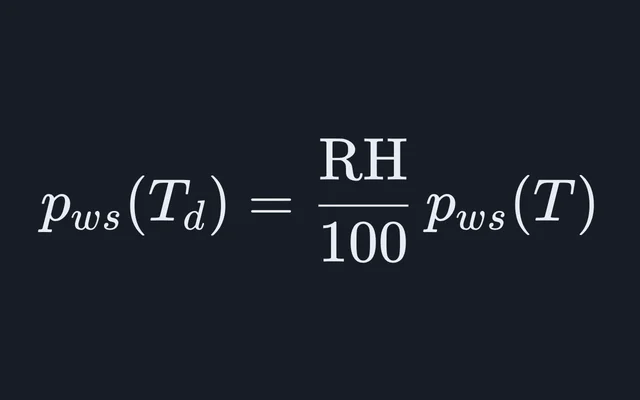
Moist air for HVAC design, and heat engine cycles against the Carnot limit.
Fluid mechanics
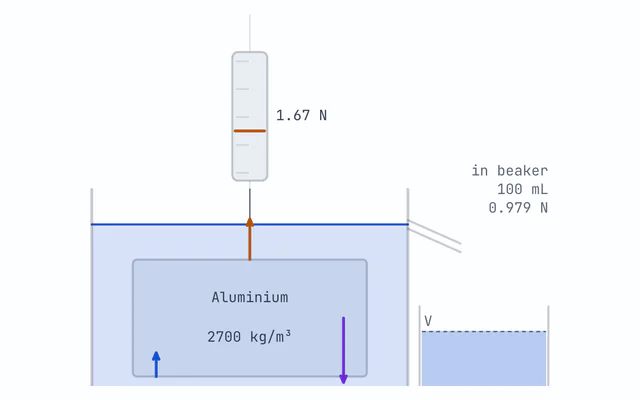
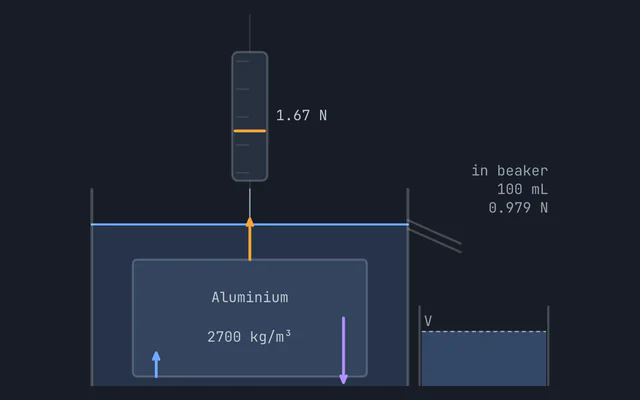
Pressure at a depth or from a force, buoyancy, and steady flow in a pipe by the continuity and Bernoulli equations and the Reynolds number.
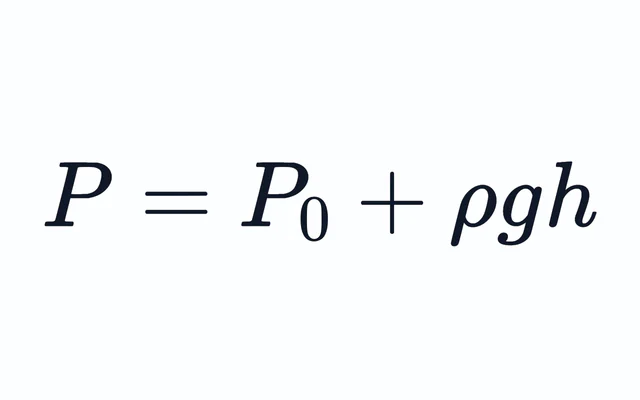
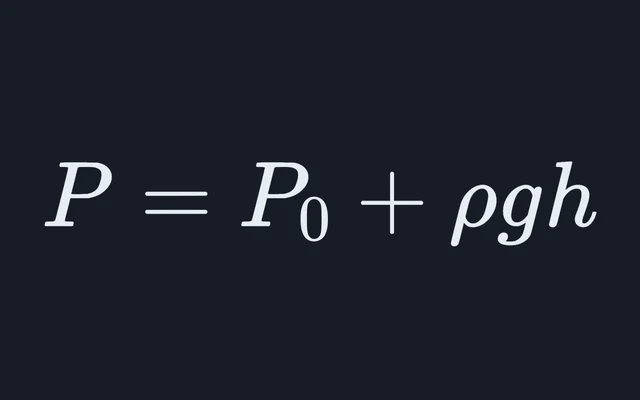
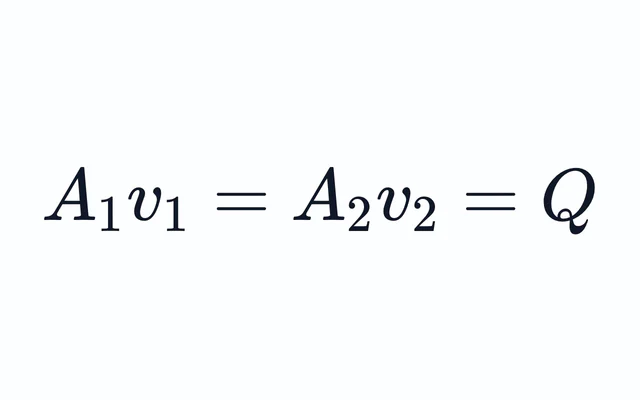
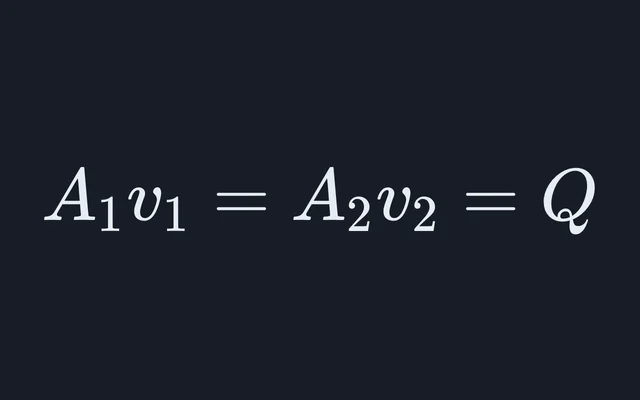
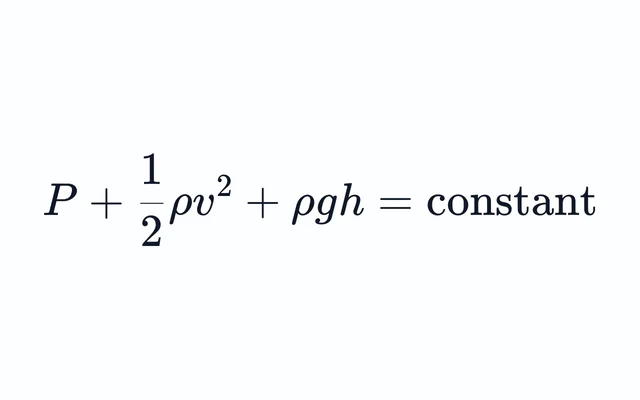
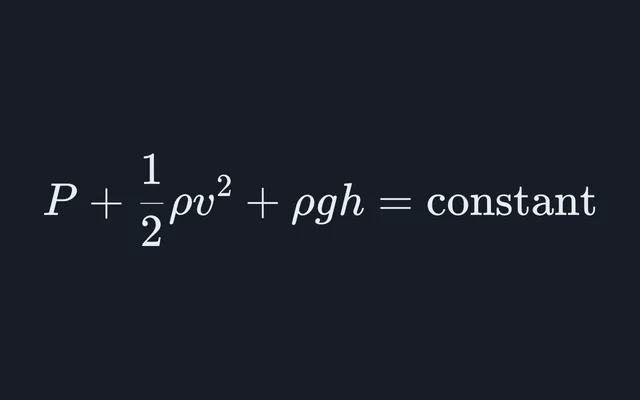
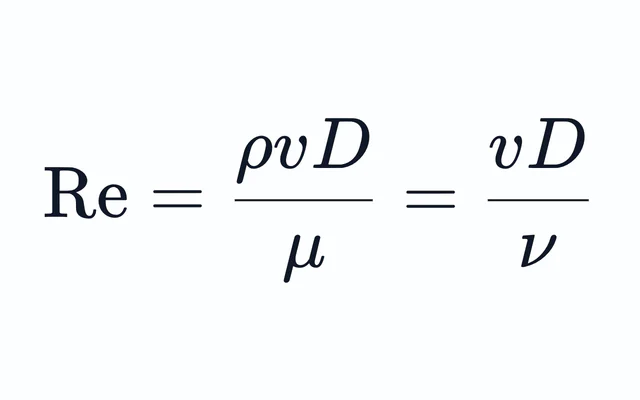
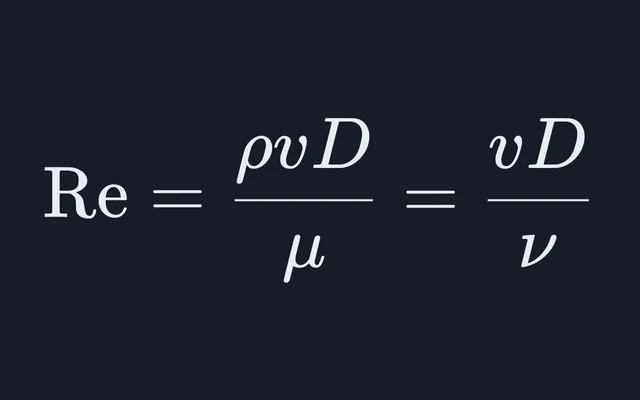
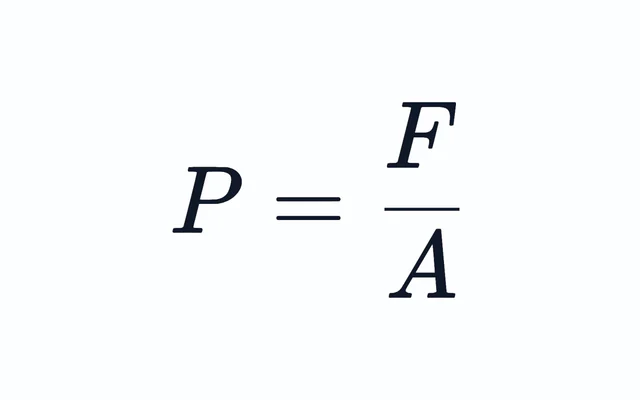
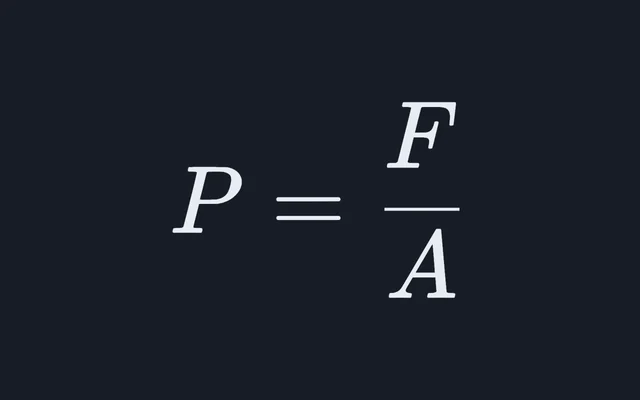
An engineering course sets these calculations, and a working engineer checks them by hand: the reactions and the shear force and bending moment diagrams of a beam, the step response of a PID loop, the Bode plot of a filter, the state of moist air on a psychrometric chart. Each tool names the equation it solves and its source, Euler-Bernoulli beam theory for the beam and the ASHRAE Handbook Fundamentals for moist air.
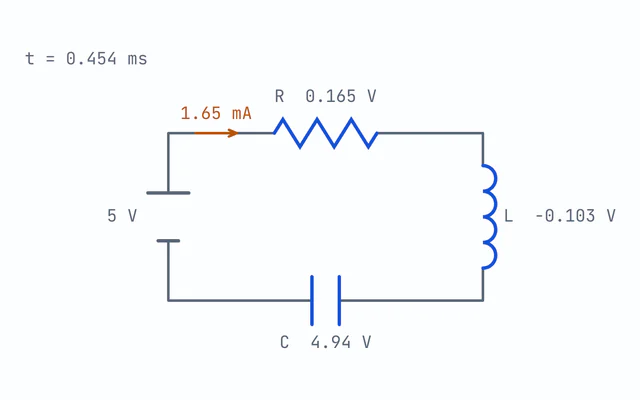
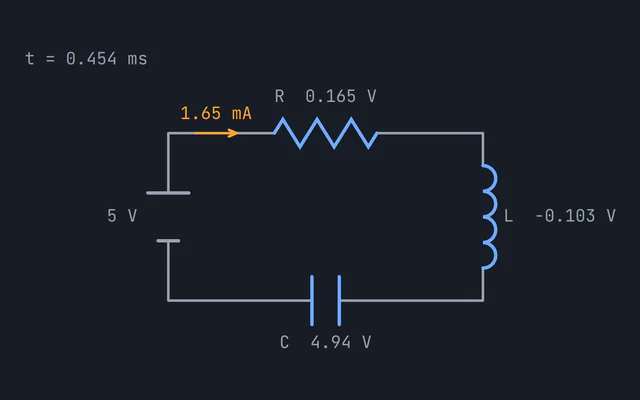
The groups follow engineering courses. The RLC circuit and the mass on a spring sit beside the PID controller, because control courses teach all three through the same second-order equation and its damping ratio. The oscilloscope sits with the circuit calculators whose results it measures.
Can you use an online calculator for engineering design?
For learning and for checking a hand calculation, yes. For something that will be built, no. The tools solve textbook models like an Euler-Bernoulli beam or an RC filter with ideal parts, and skip what a design code adds: load factors, buckling checks and real component tolerances. Those checks belong to the governing code and the engineer of record.
US customary and SI units
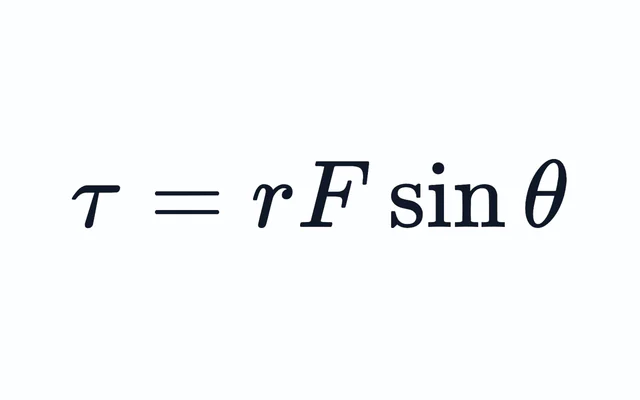
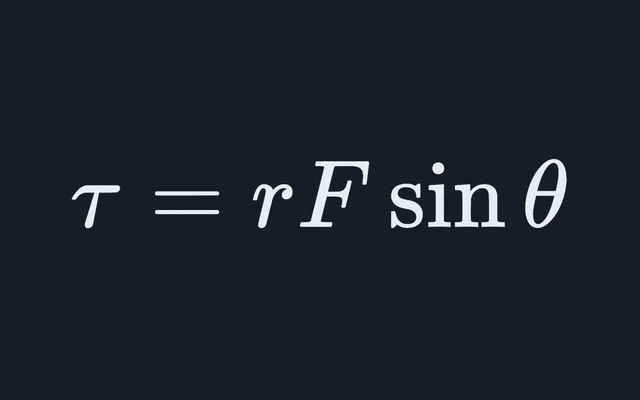
The beam calculator switches between SI and US customary units, feet and kips, and the psychrometric chart between SI and the inch-pound units of US HVAC work: °F, grains per pound, Btu per pound and inches of mercury. The torque calculator prints pound-feet beside newton meters, and the pressure calculator gives psi beside pascals.
What the models leave out
The beam, PID, Bode plot and psychrometric chart pages each carry a section on what their model leaves out. The beam calculator takes statically determinate beams only, a pin and a roller or one fixed end, so you can check every reaction by hand from two equilibrium equations. It runs no AISC or Eurocode checks and does not consider lateral-torsional buckling.
The PID simulator limits the actuator, which is where integral windup comes from, and its anti-windup option holds the integral while the actuator is saturated and the error would push it further. The Bode plot assumes an ideal source and no load on the output, and its page works out how far a 10 kΩ load moves the corner of the opening filter.