Science calculators, simulators and 3D anatomy
Physics, chemistry, biology and maths in the browser, from a worked calculation to a body you can turn. Any result can be shared as a link, and every calculation runs on your device.
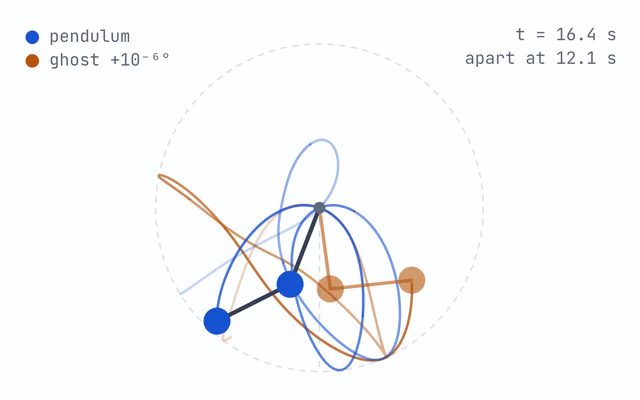
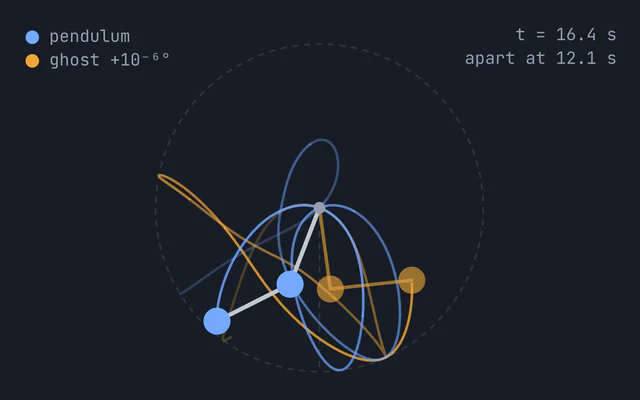
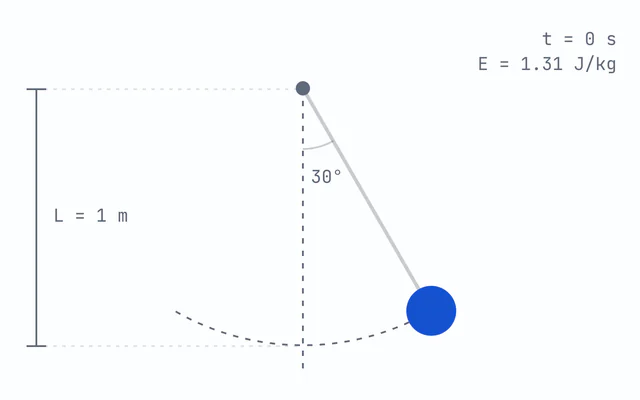
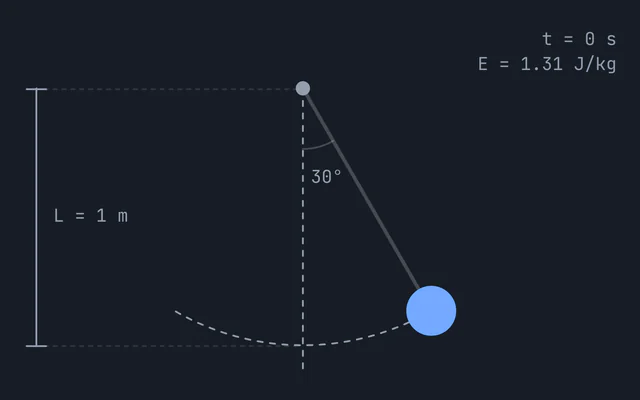
Drag the bob to set the starting angle, or nudge it with the left and right arrow keys. Space plays and pauses.
Anatomy you can turn
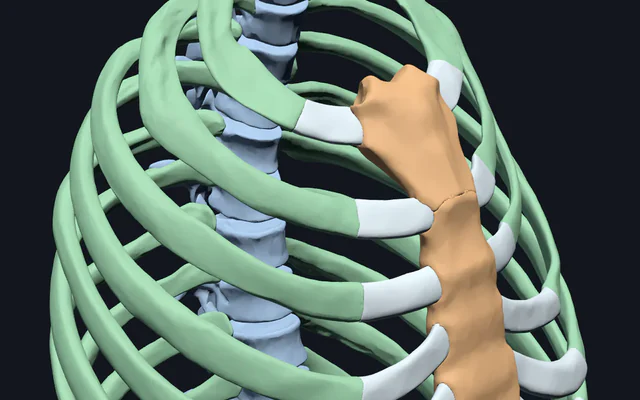
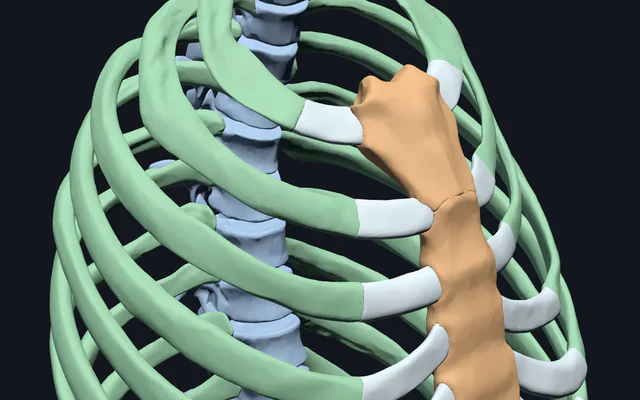
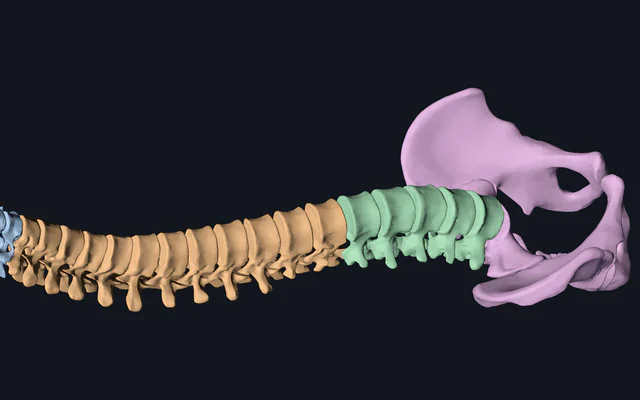
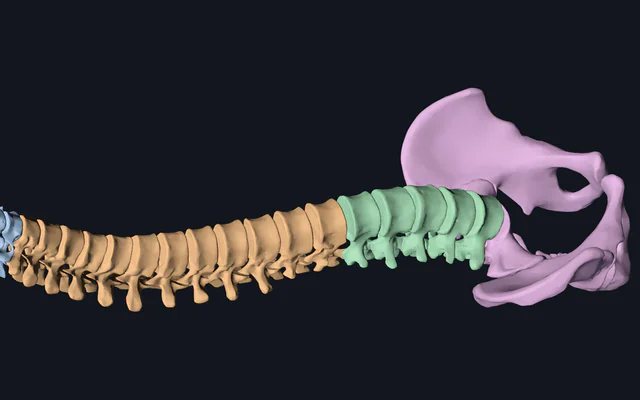
24 models and 926 named parts, 203 of them bone, segmented from imaging rather than drawn. Every picture below is rendered from the model the viewer loads.
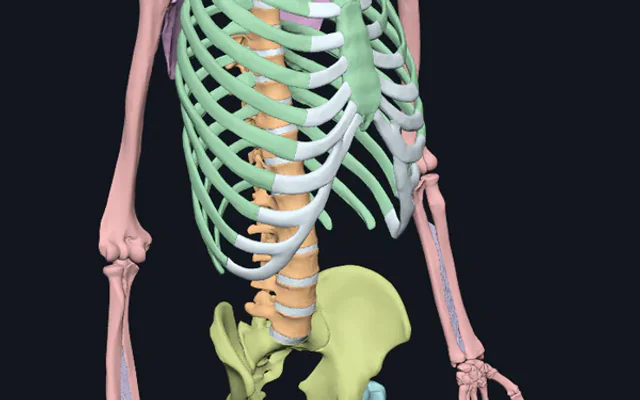
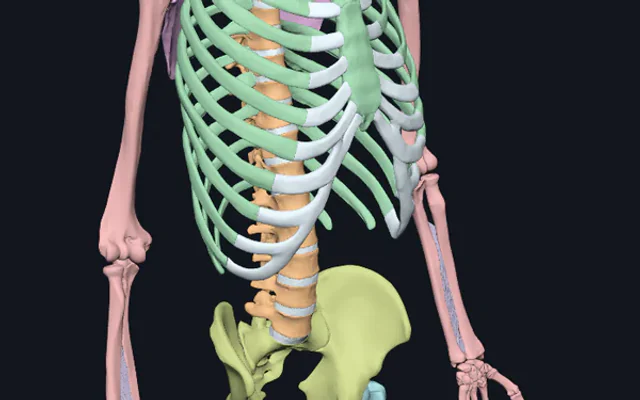
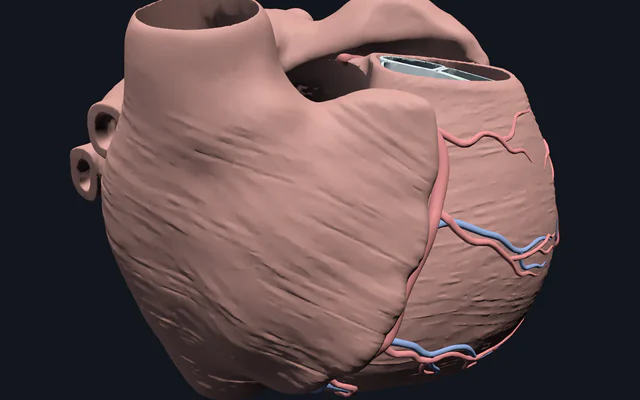
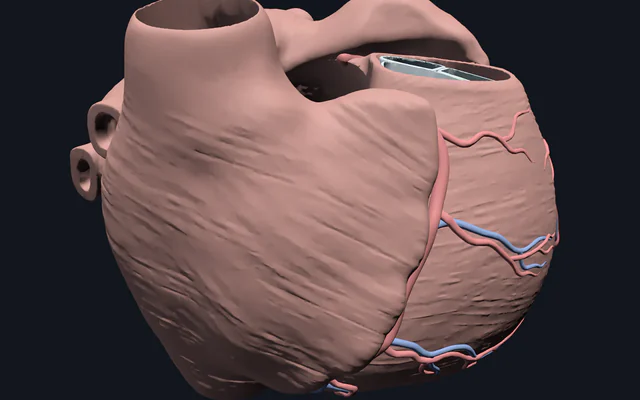
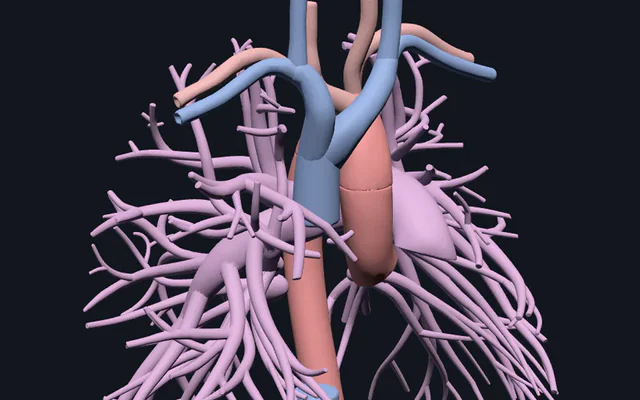
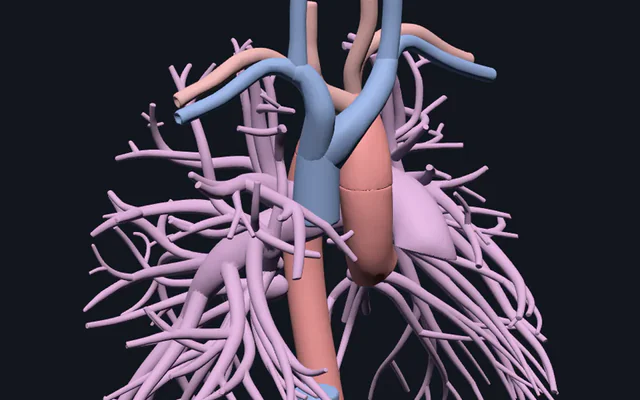
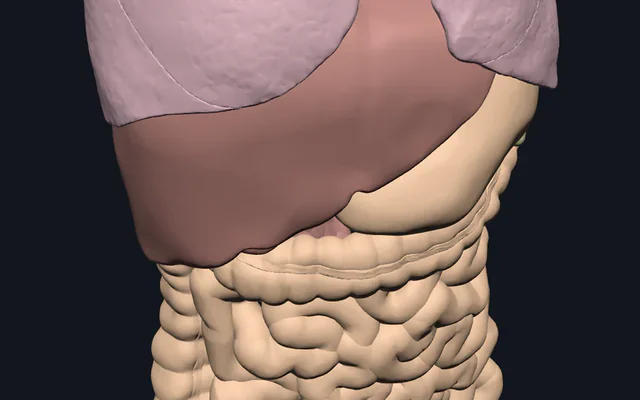
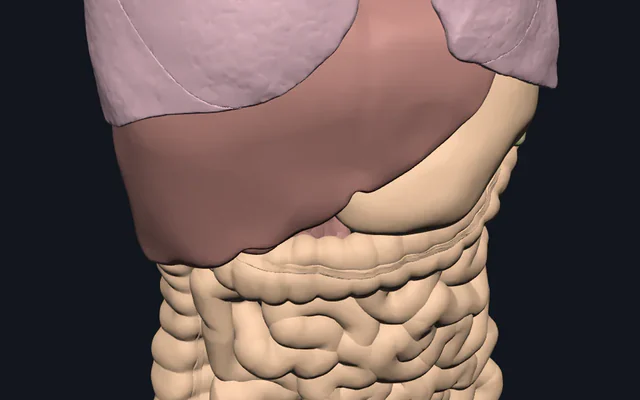
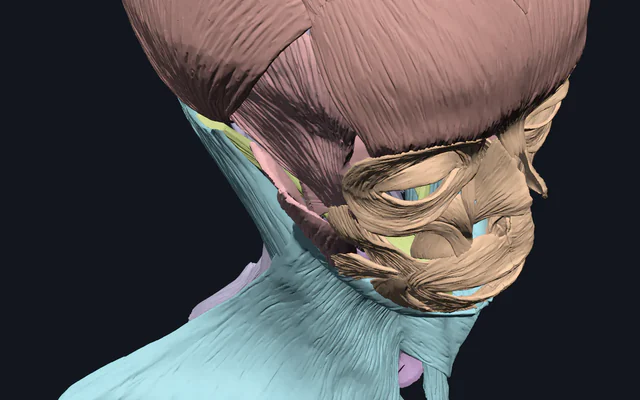
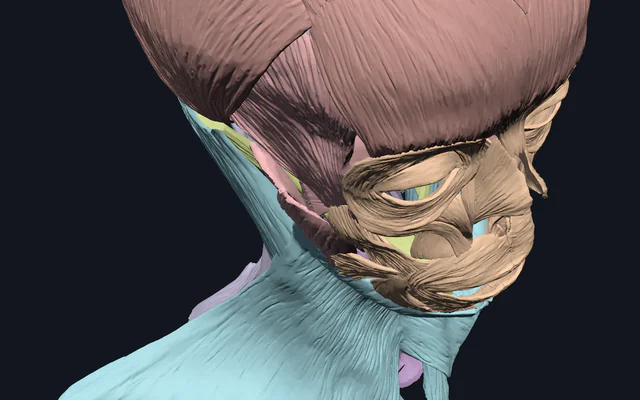
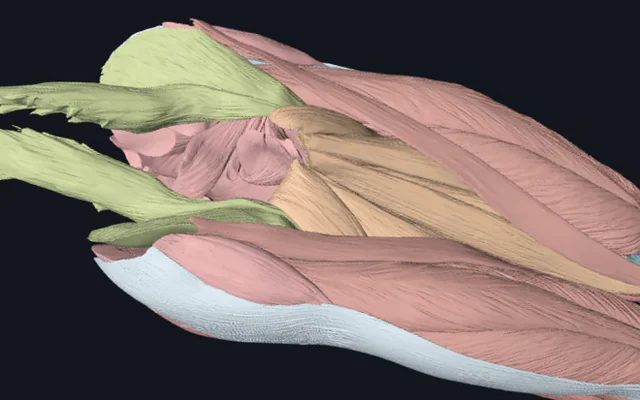
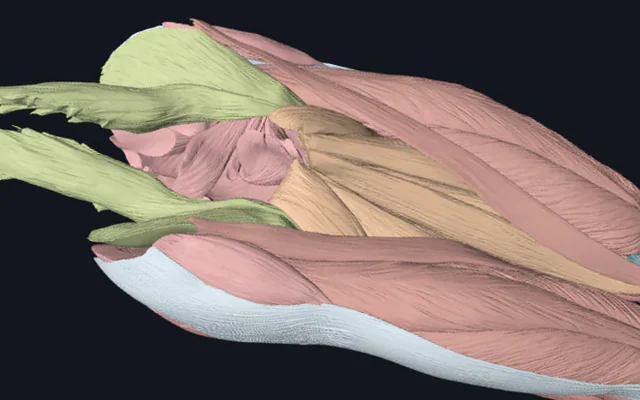
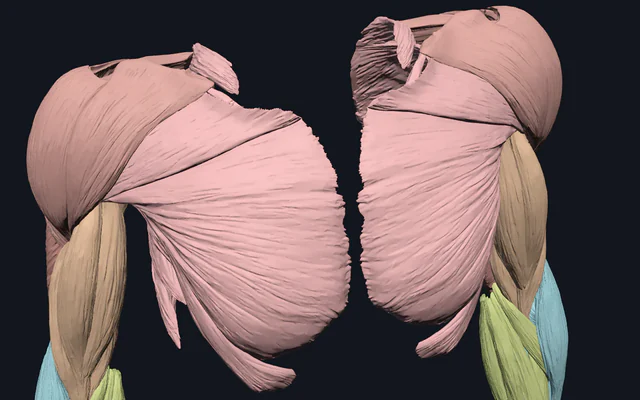
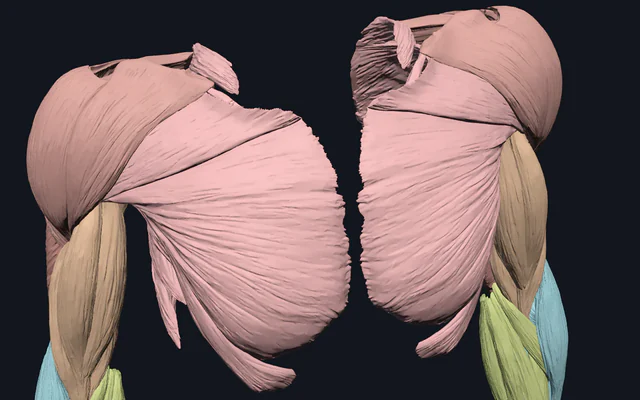
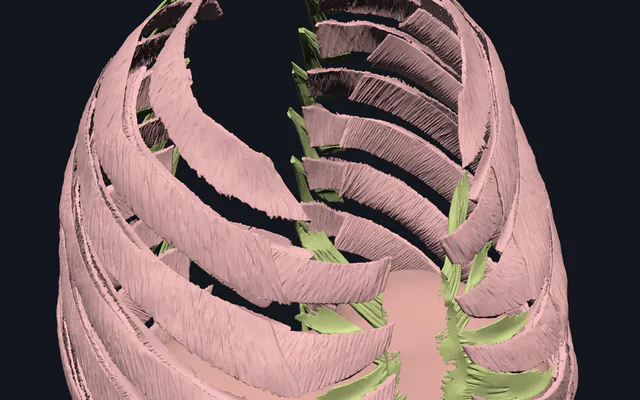
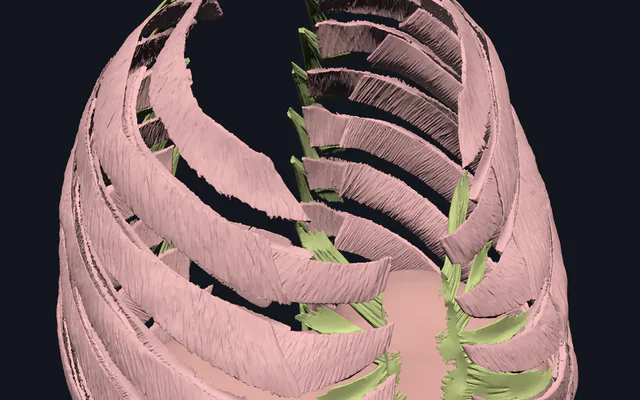
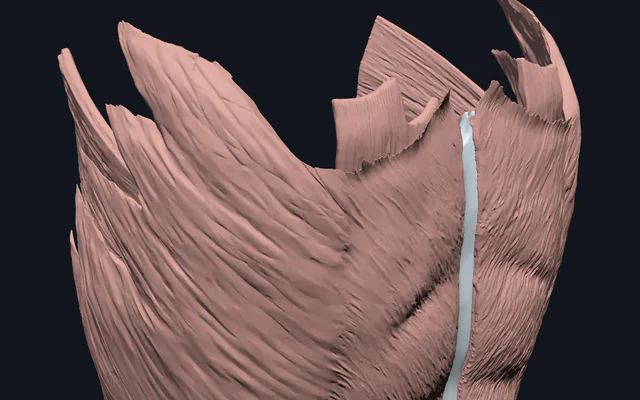
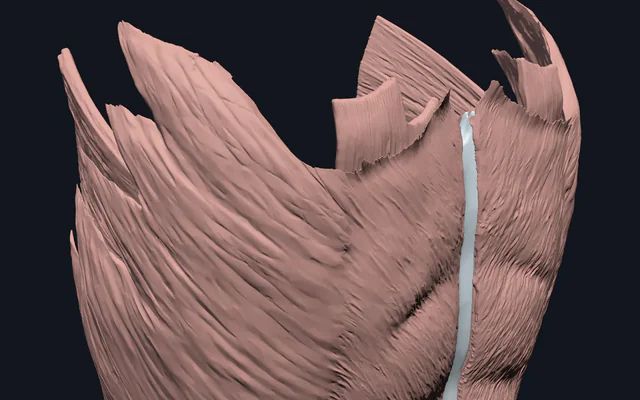
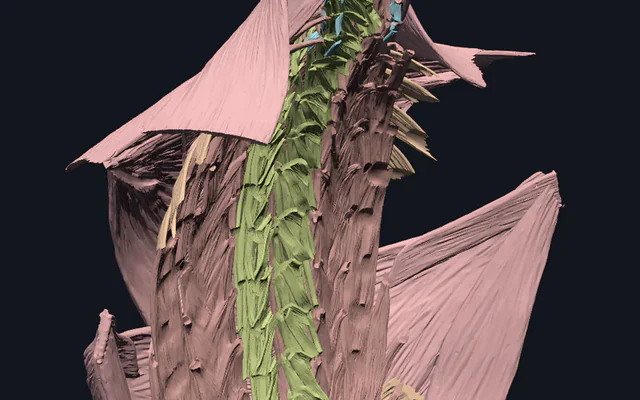
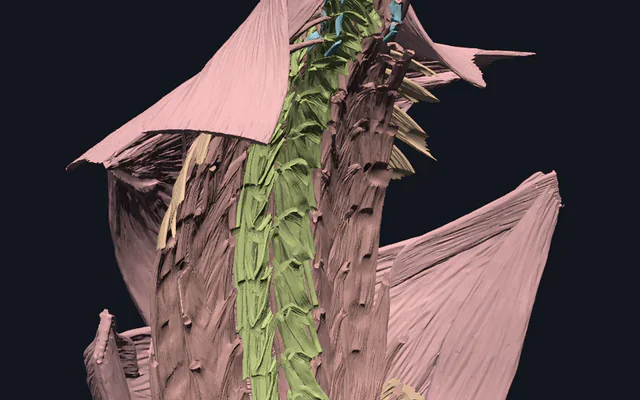


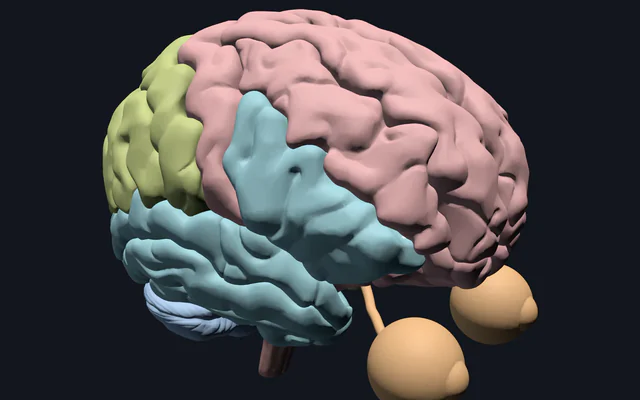
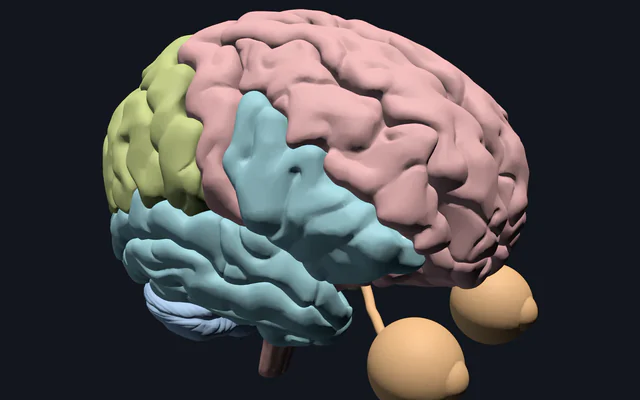
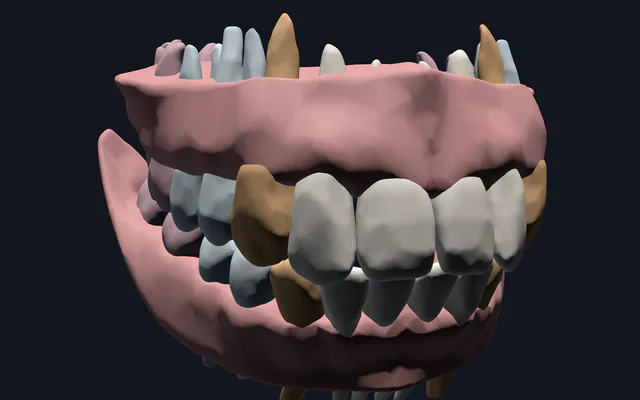
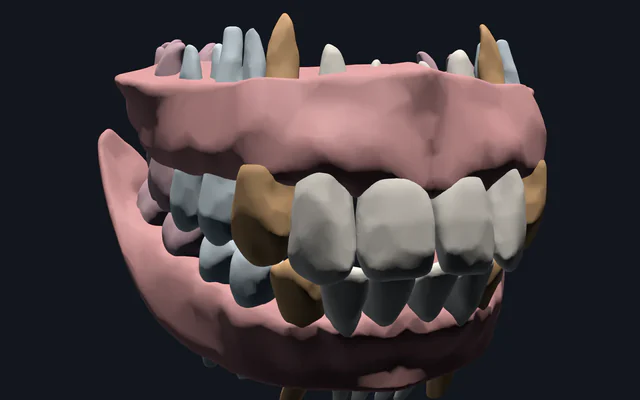


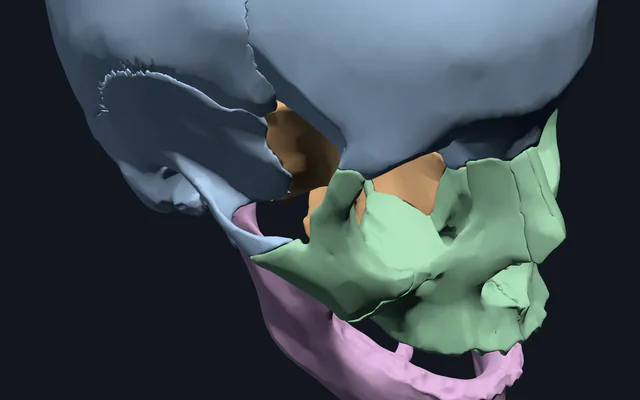
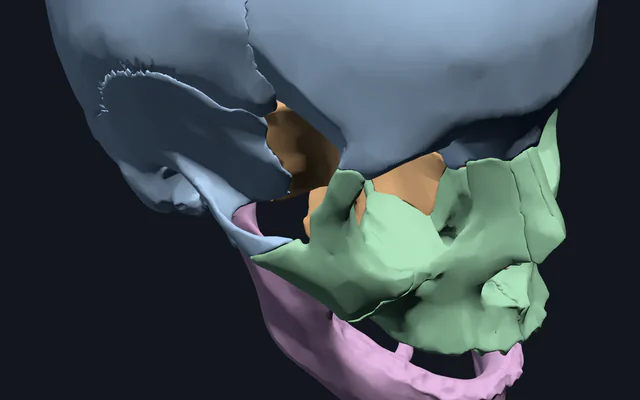
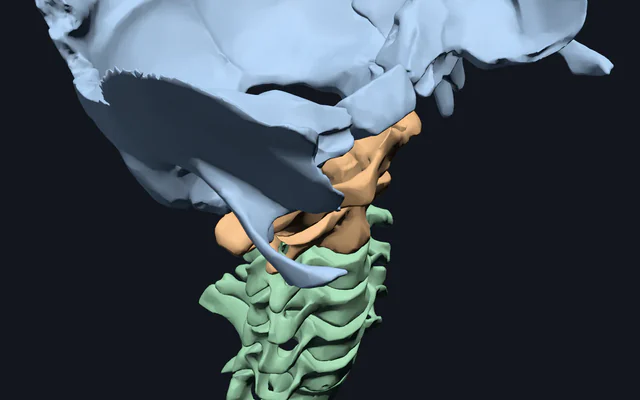
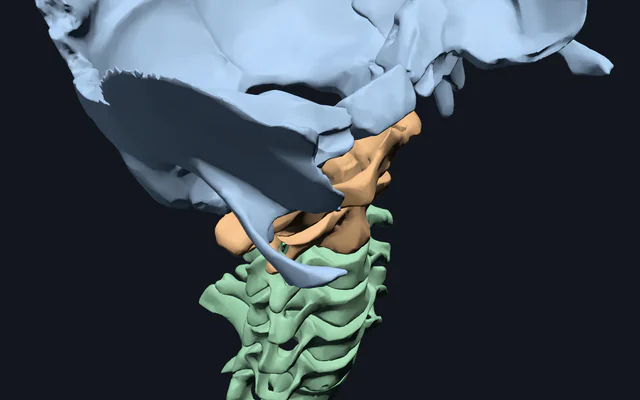
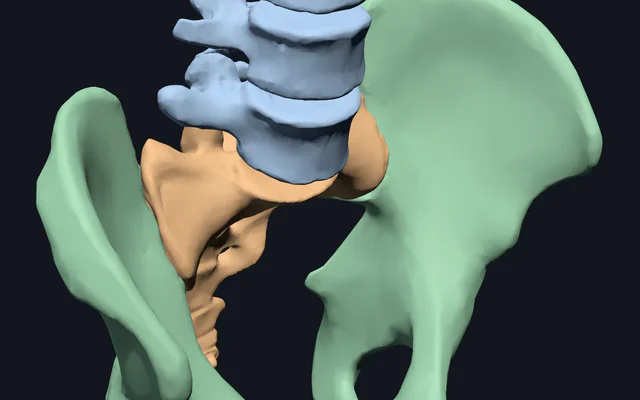
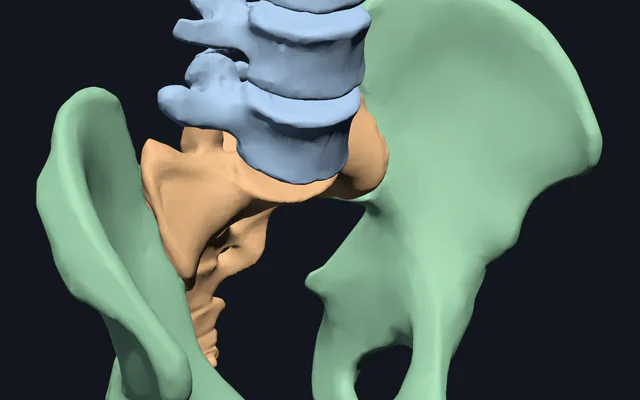
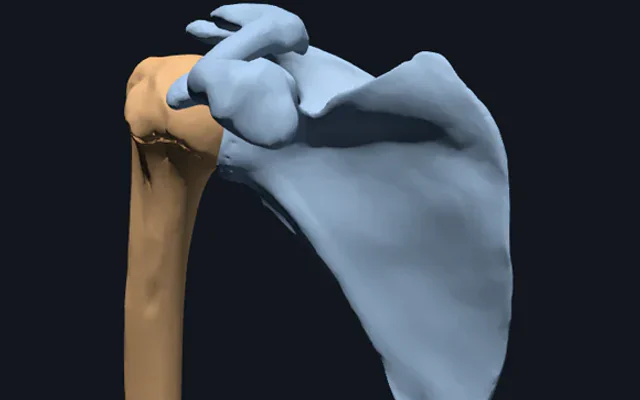
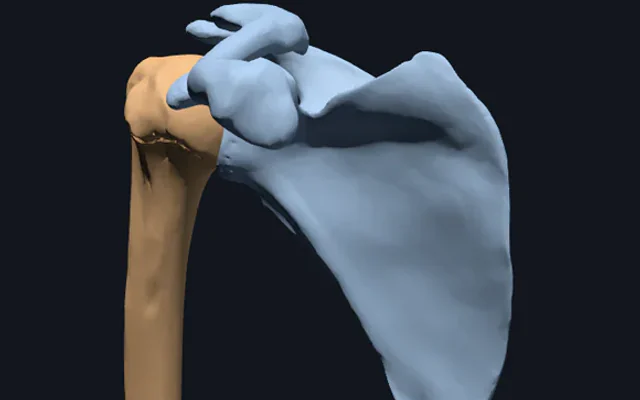
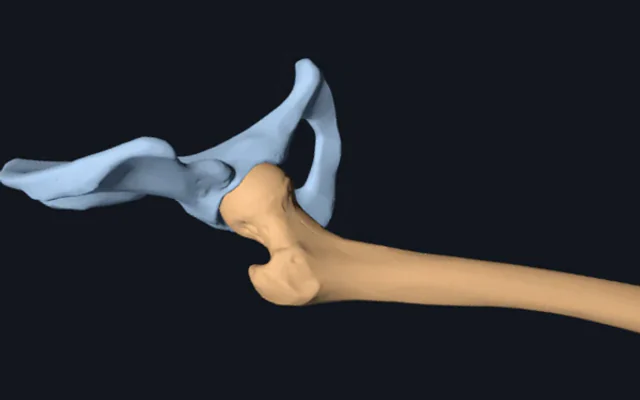
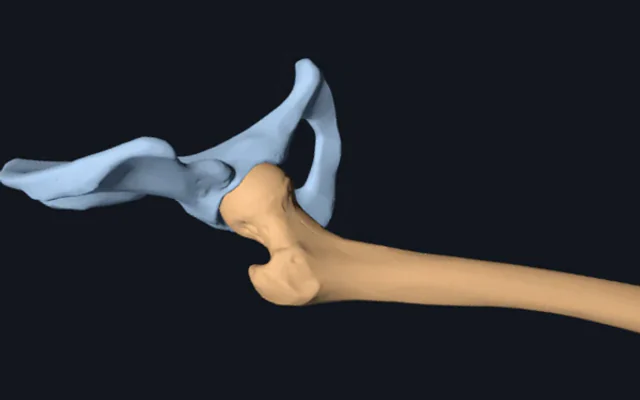
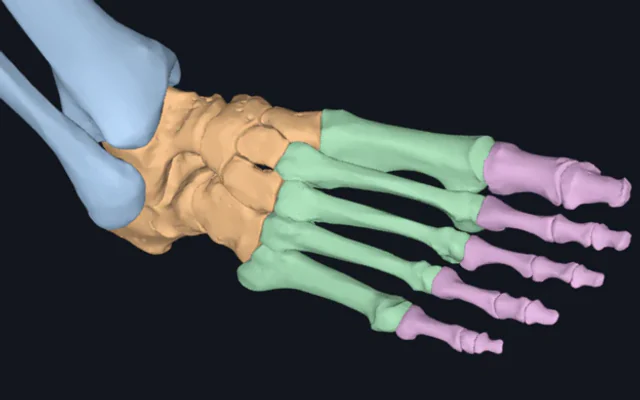
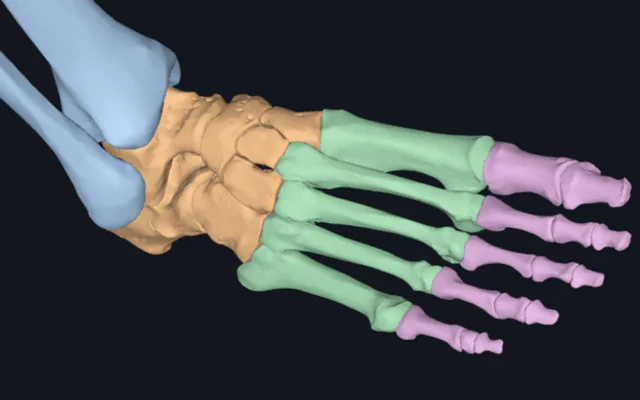
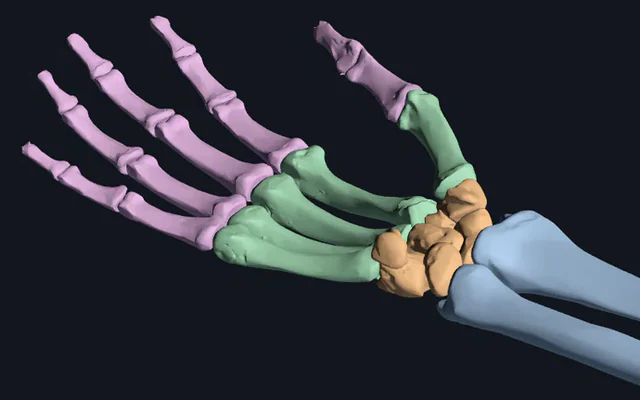
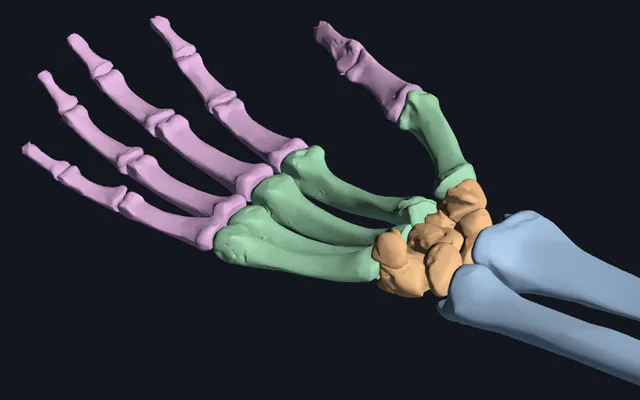
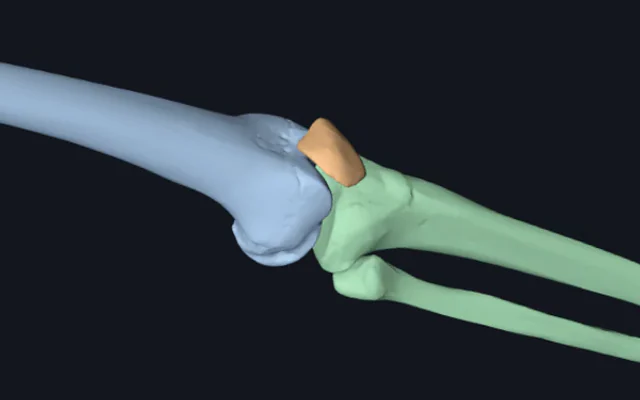
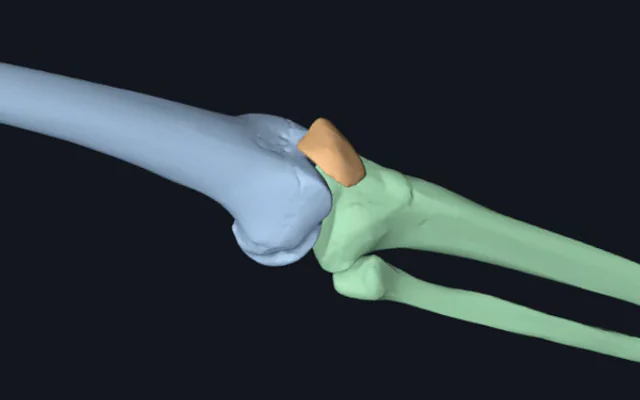
Or start from the whole body or a part of it
Pictures rendered from BodyParts3D, © The Database Center for Life Science, CC BY 4.0.
Recently added
The newest simulators, 3D models and practice sets on the site.
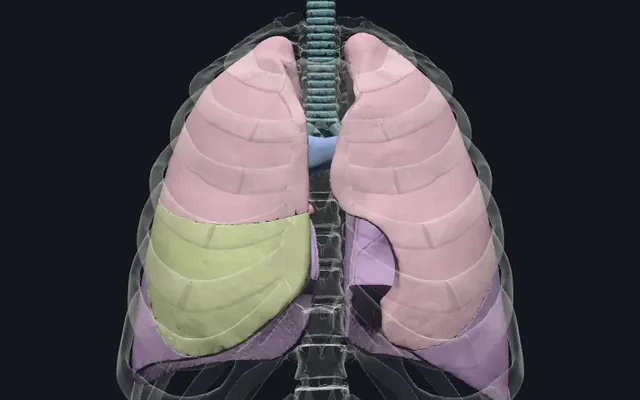
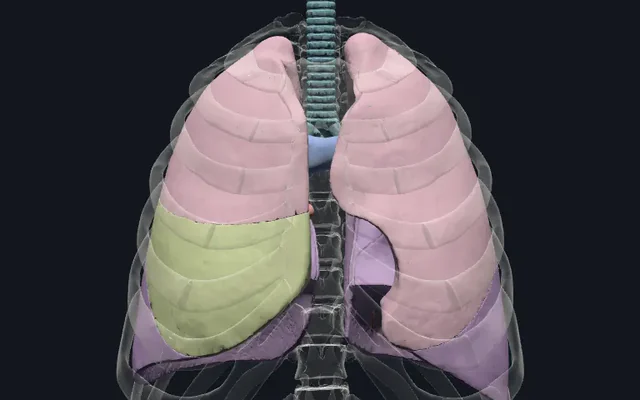
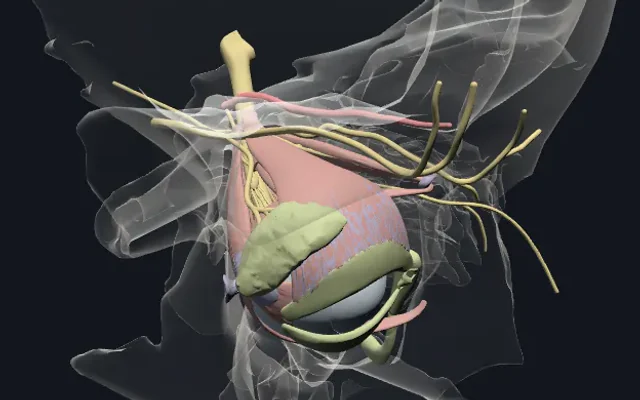
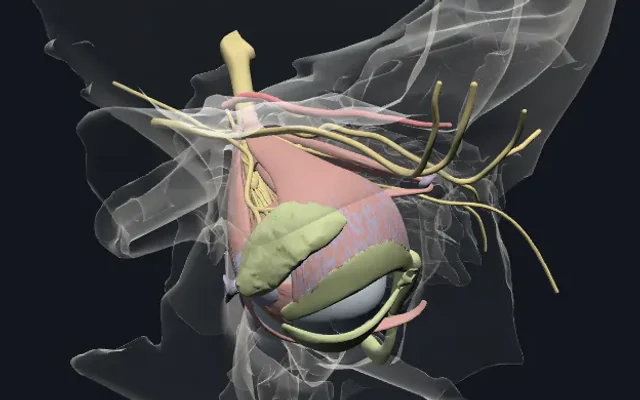
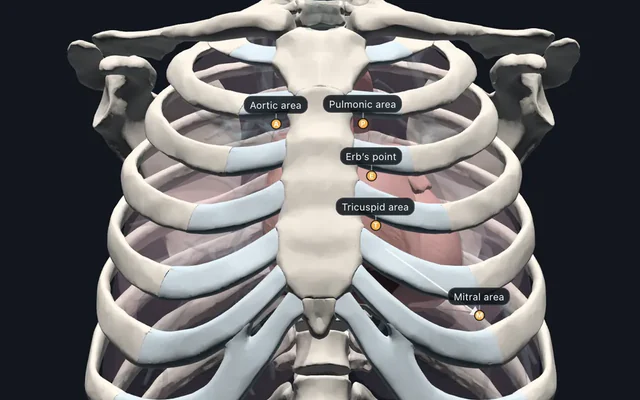
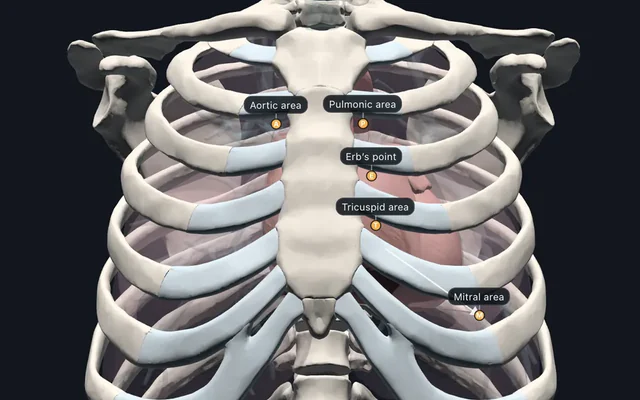
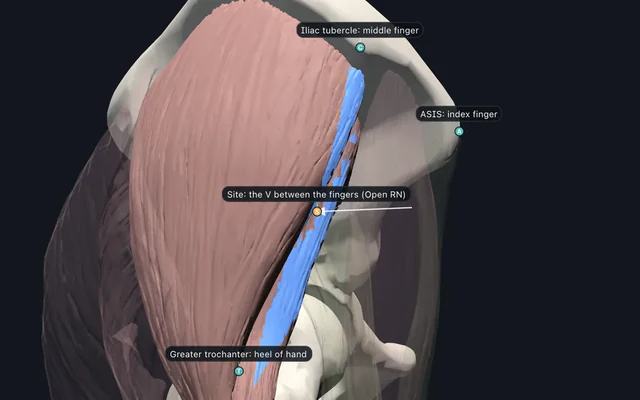
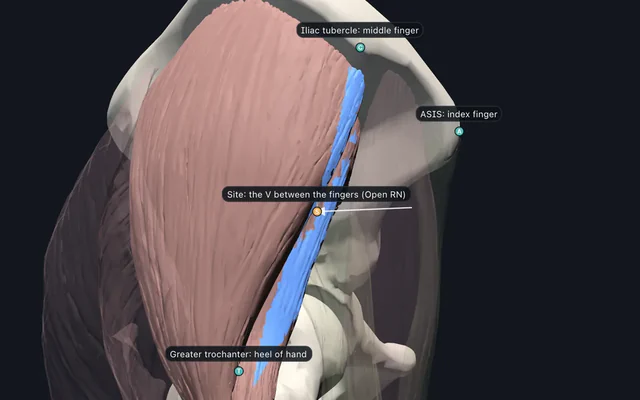
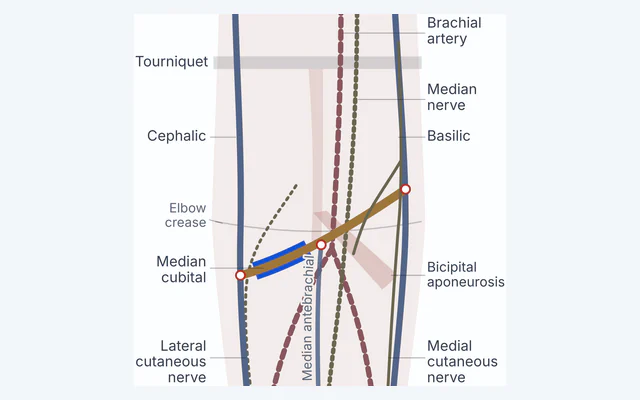
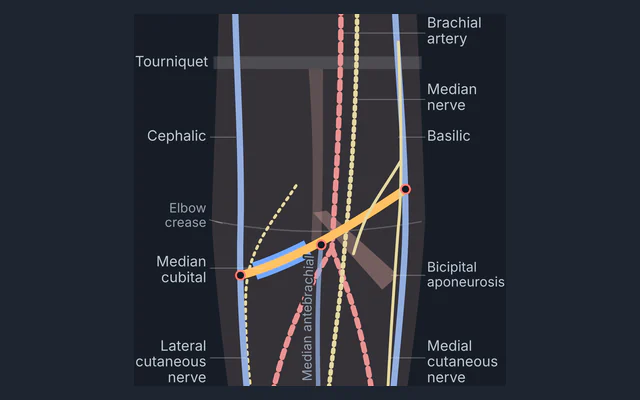
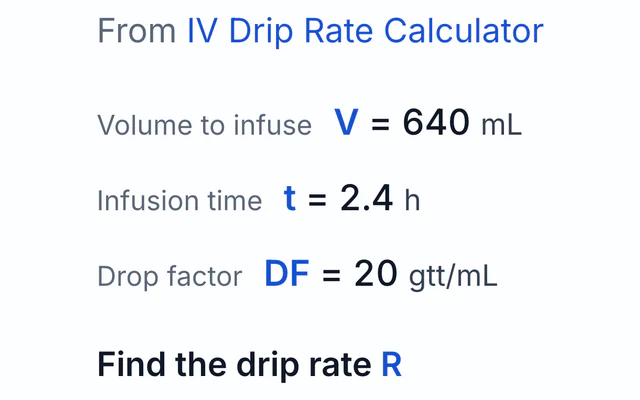
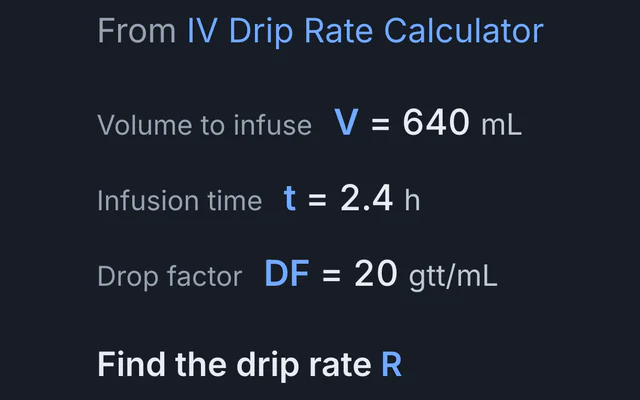
Lungs and Bronchial Tree 3D Explorer, Eye and Extraocular Muscles 3D Explorer, Heart and Lung Auscultation Points Explorer and Intramuscular Injection Sites 3D Explorer: outlines drawn from BodyParts3D, © The Database Center for Life Science, CC BY 4.0.
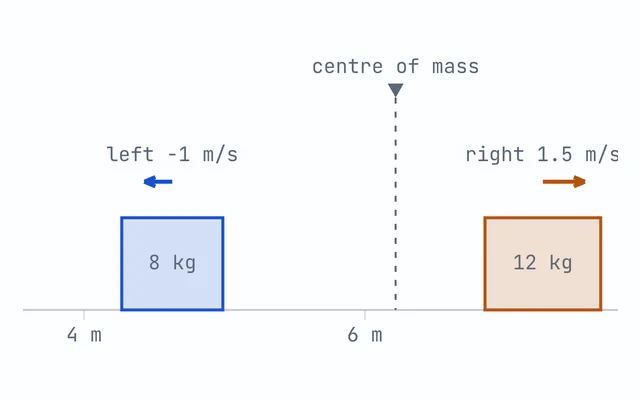
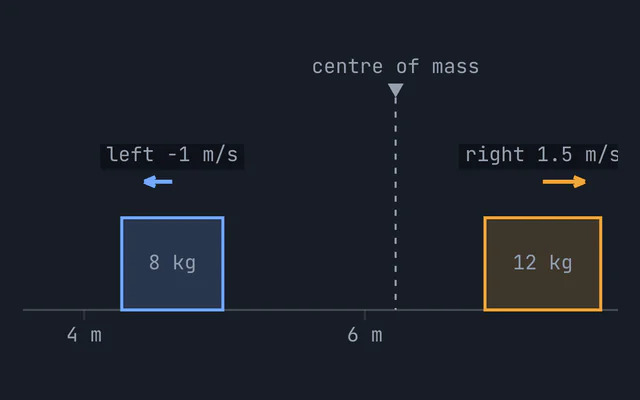
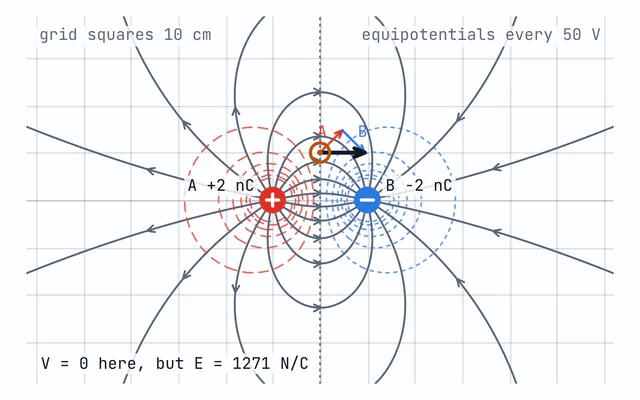
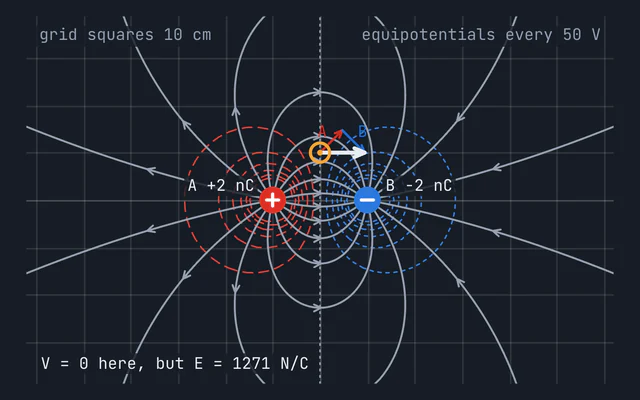
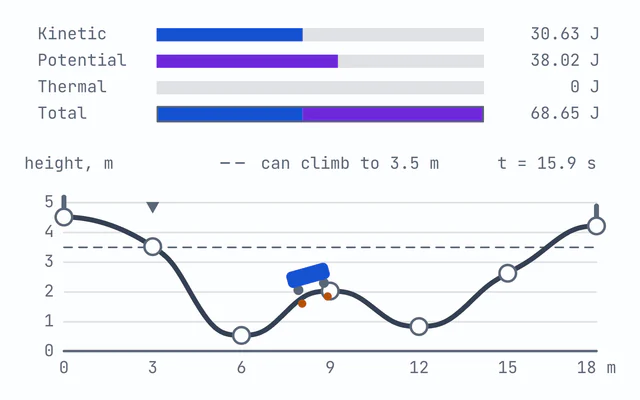
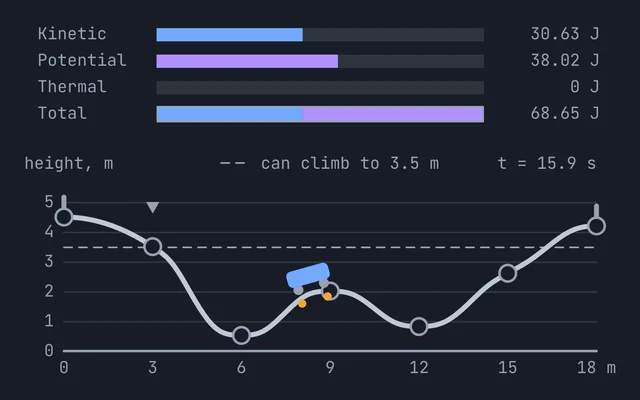
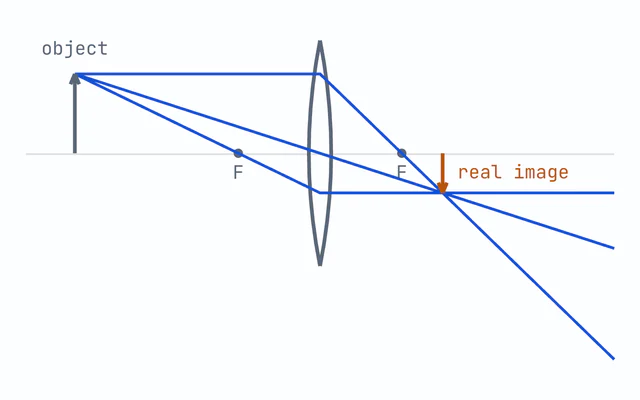
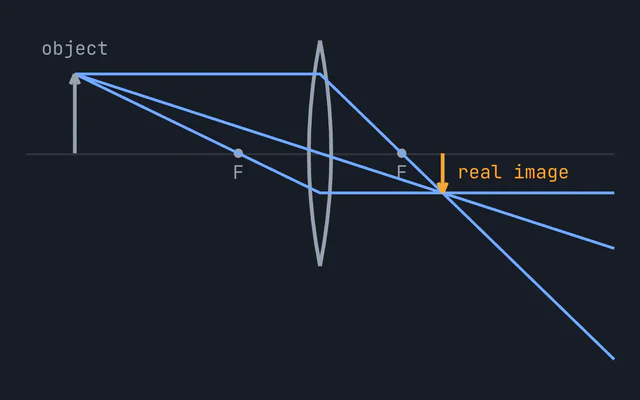
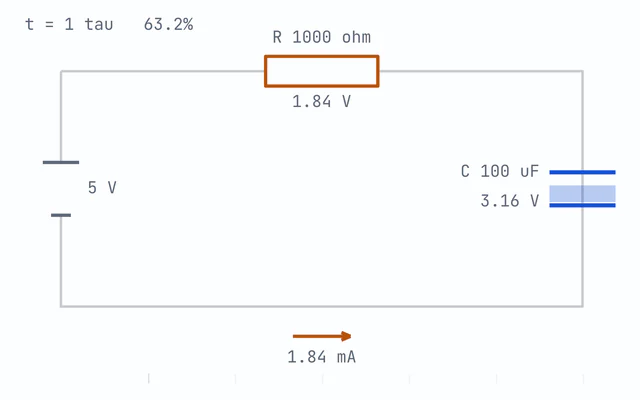
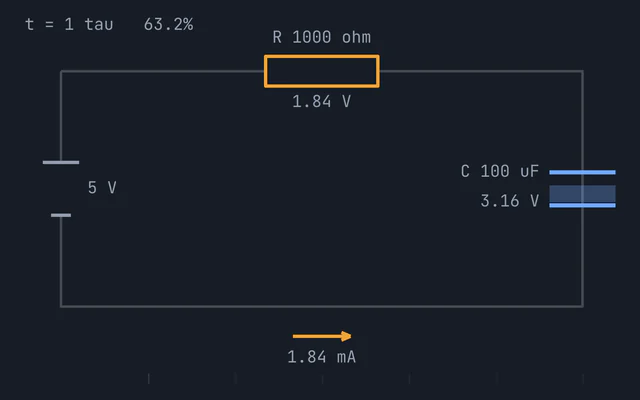
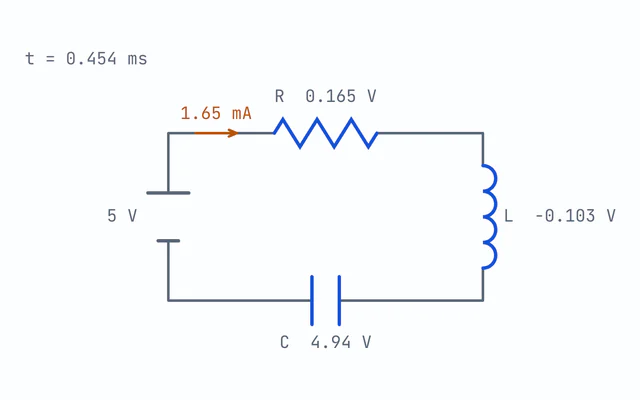
Physics you can play with
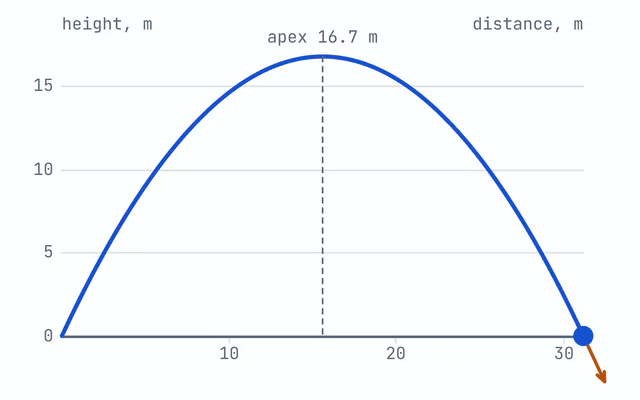
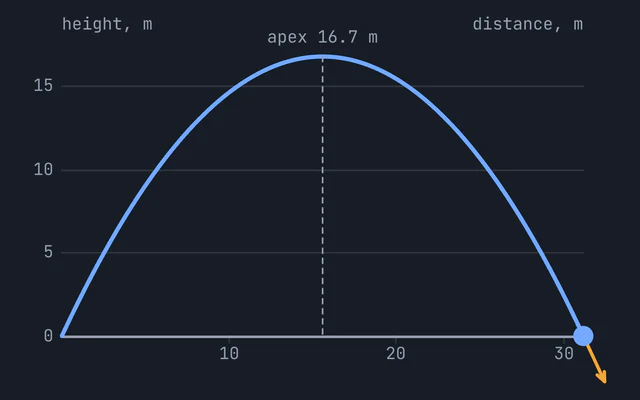
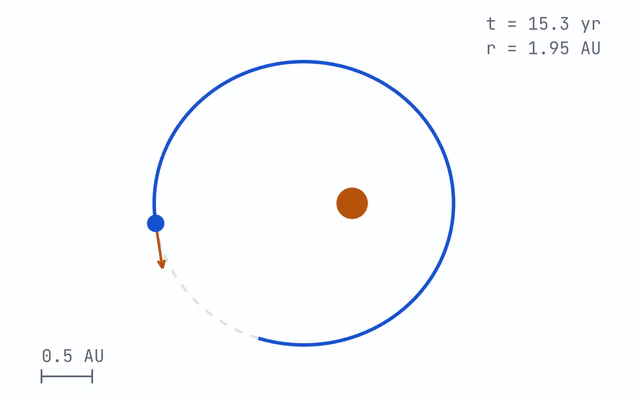
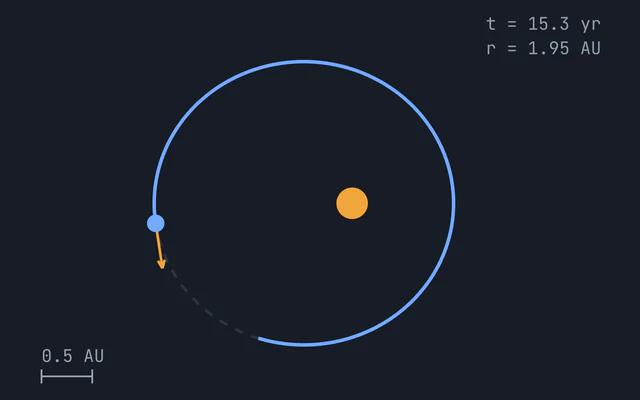
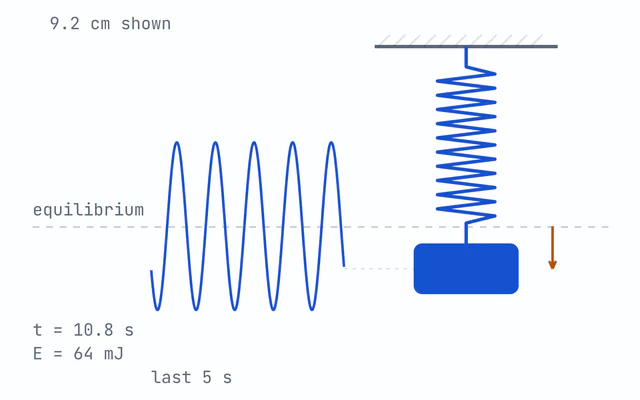
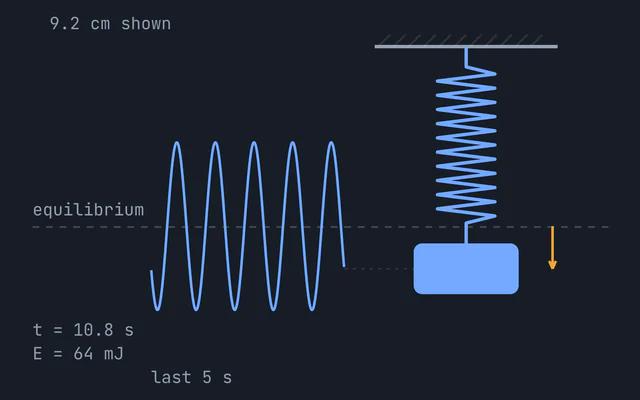
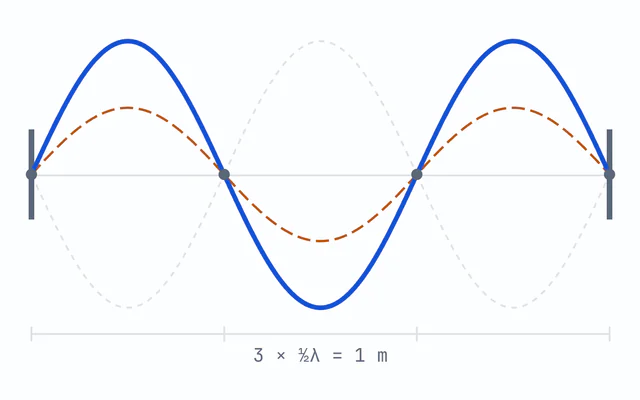
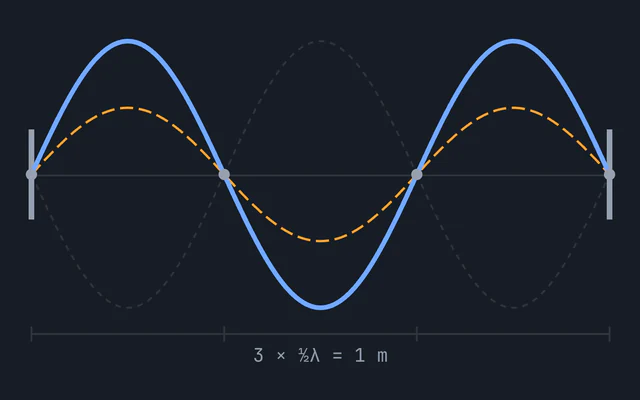
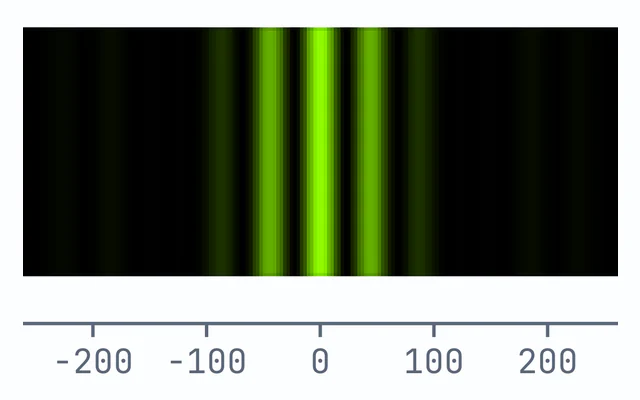
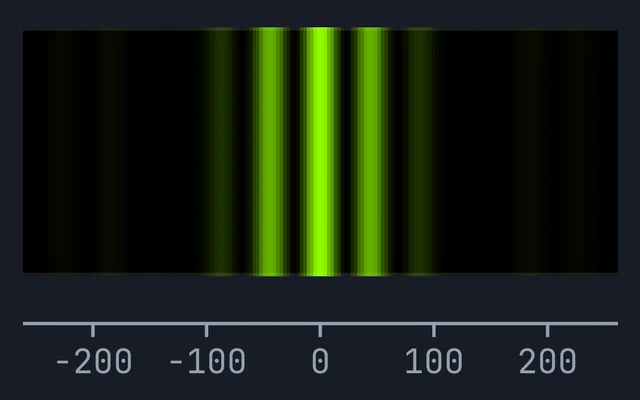
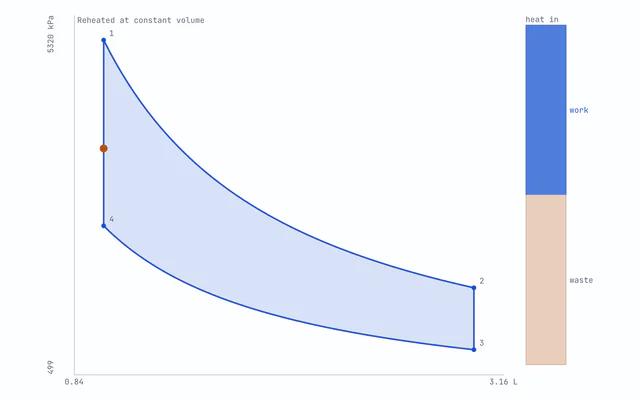
Pendulums, orbits, waves and fields, worked out live in your browser.
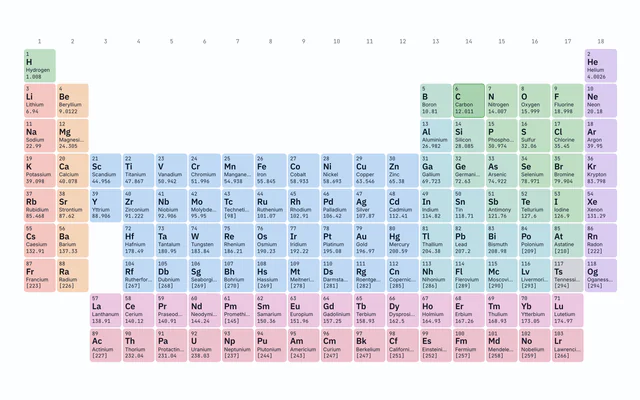
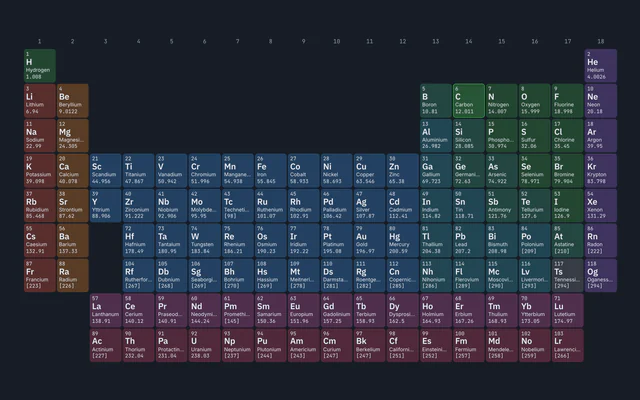
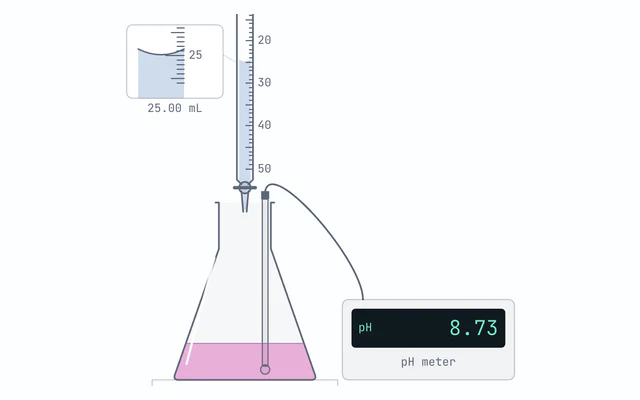
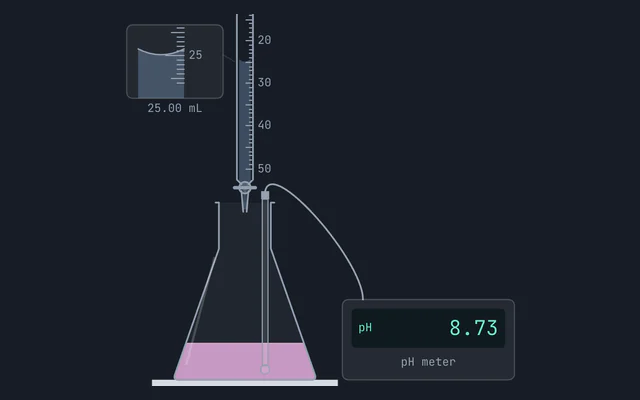
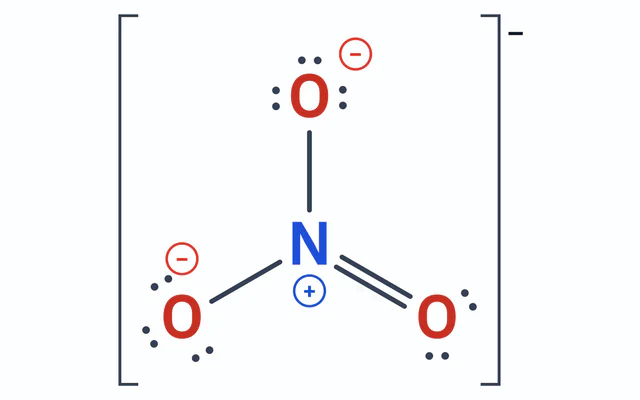
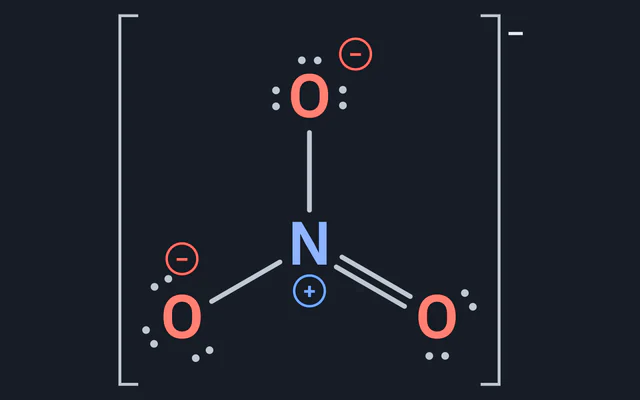
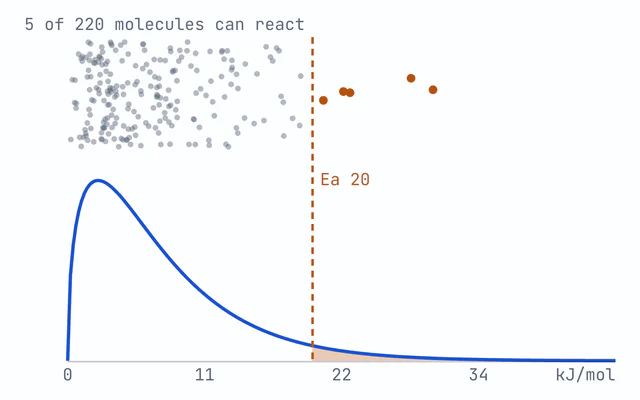
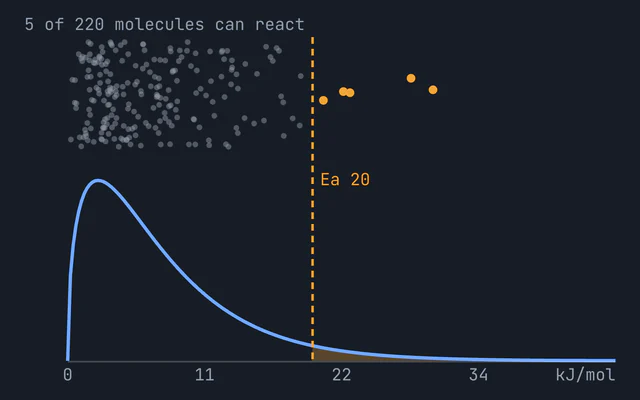
Chemistry up close
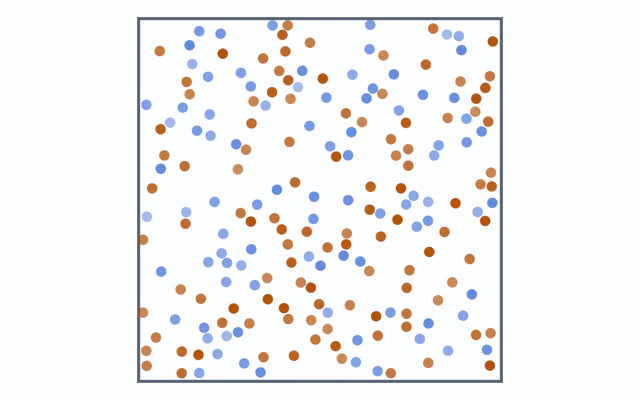
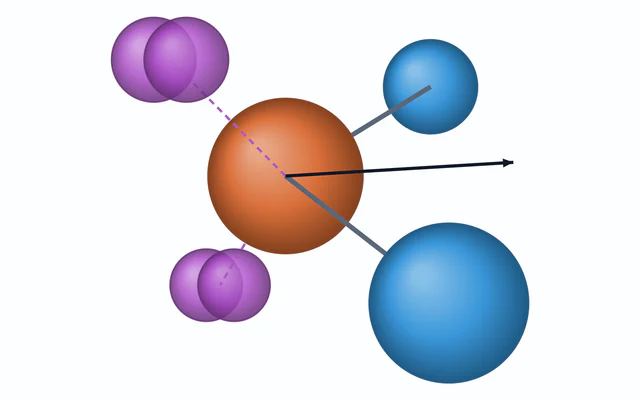
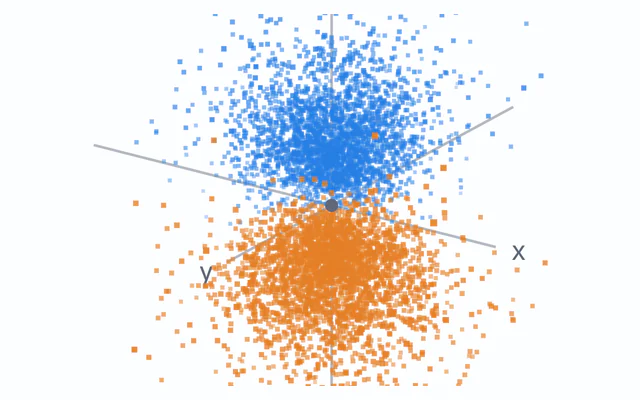
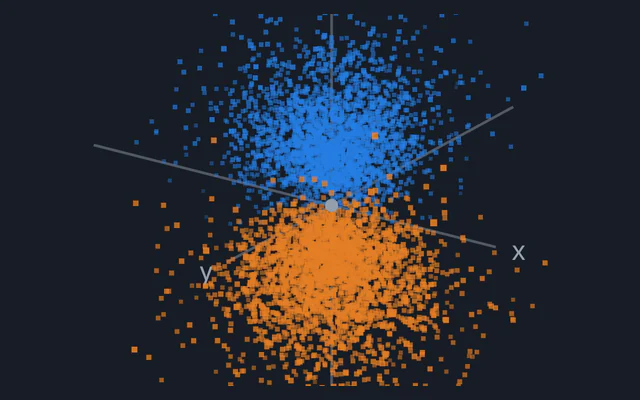
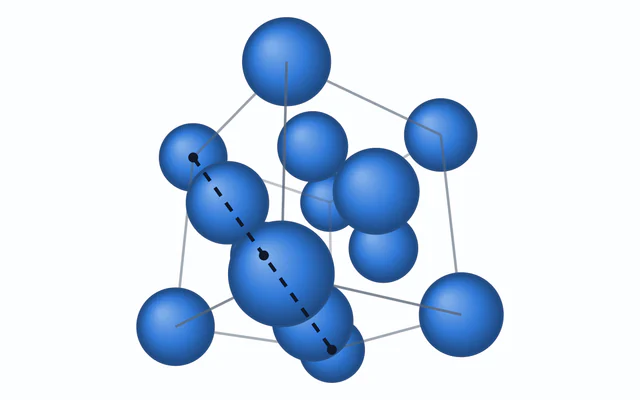
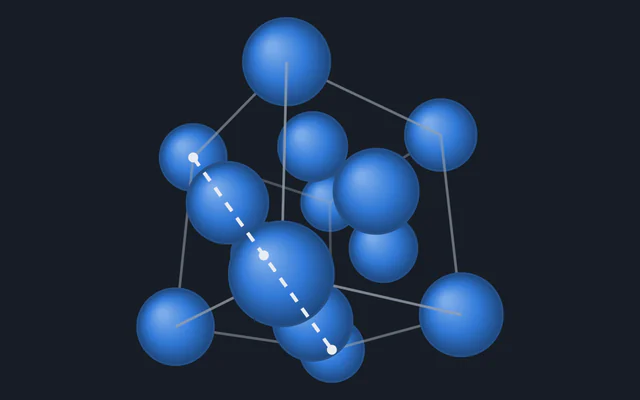
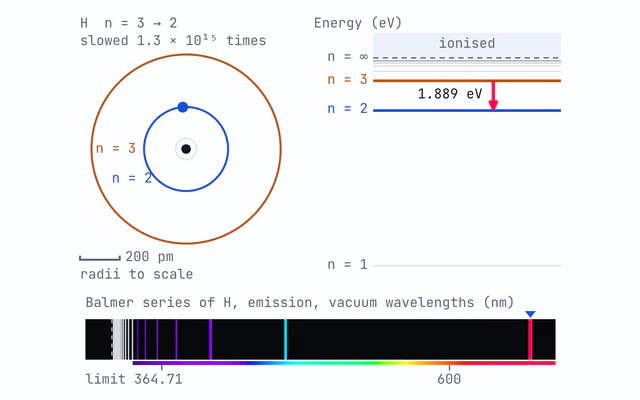
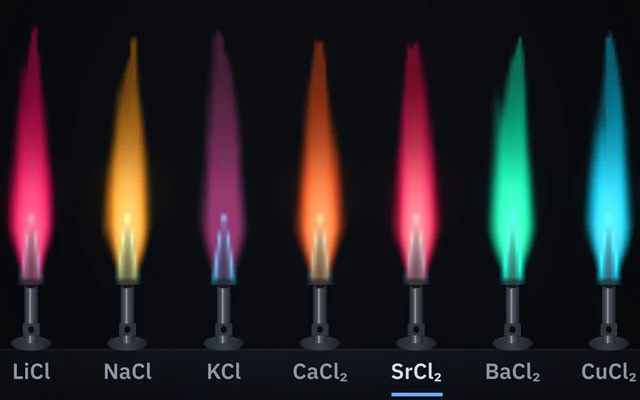
Molecules, orbitals and crystals you can turn, and reactions you can run.
How life works
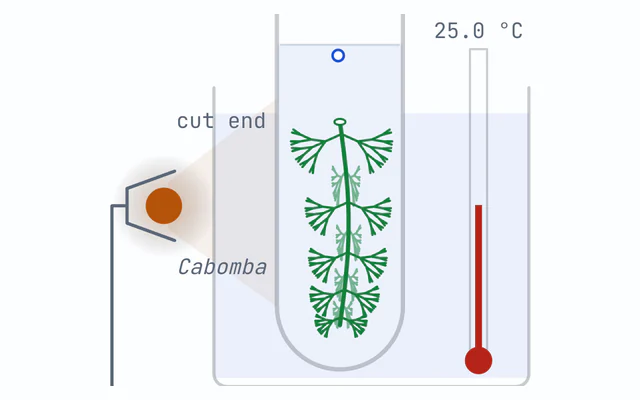
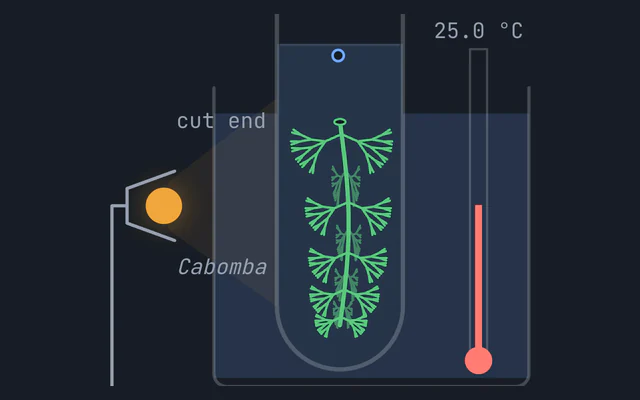
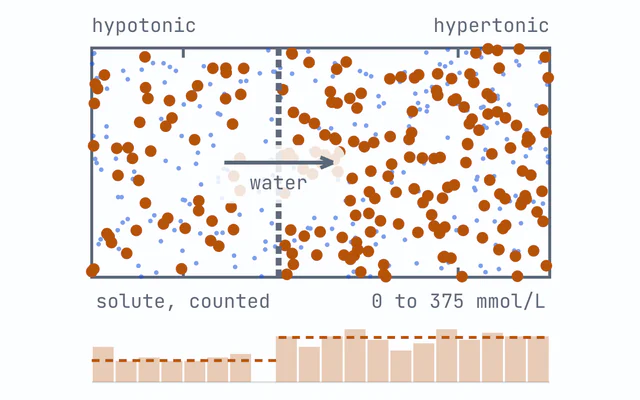
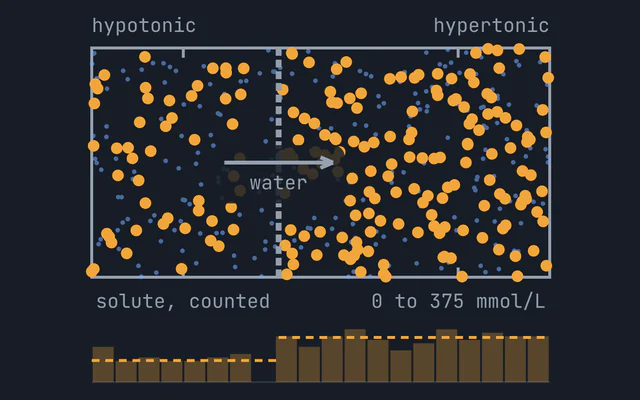
The heart, nerves and kidneys, enzymes, plants and the spread of disease, as working models.
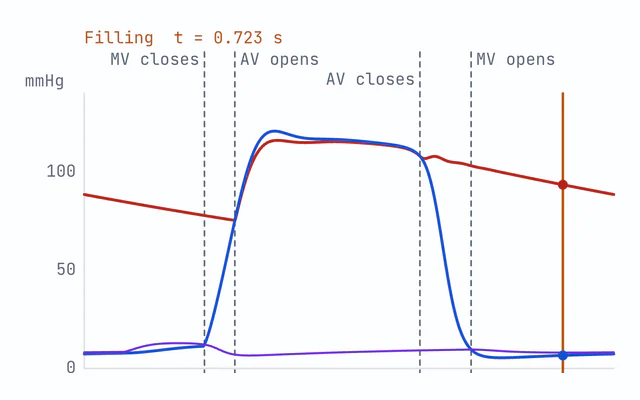
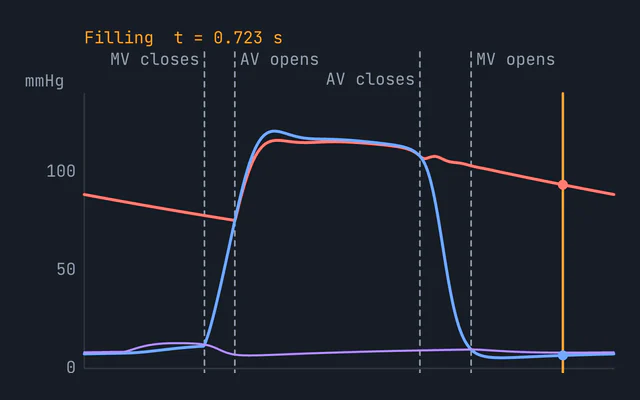
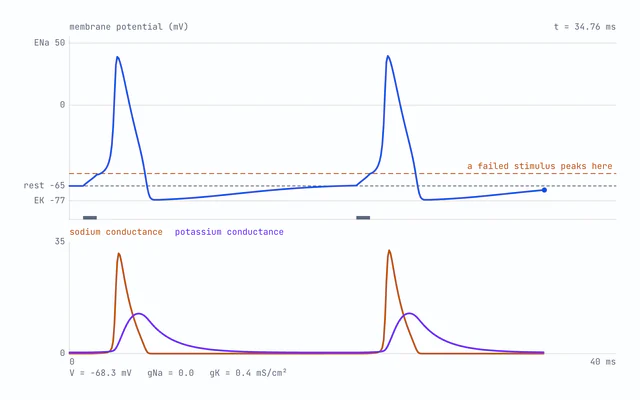
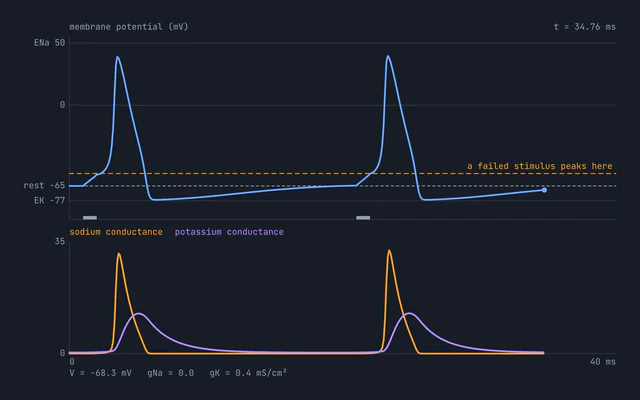
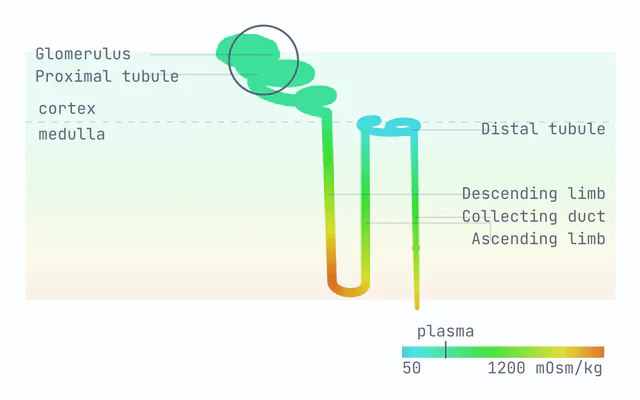
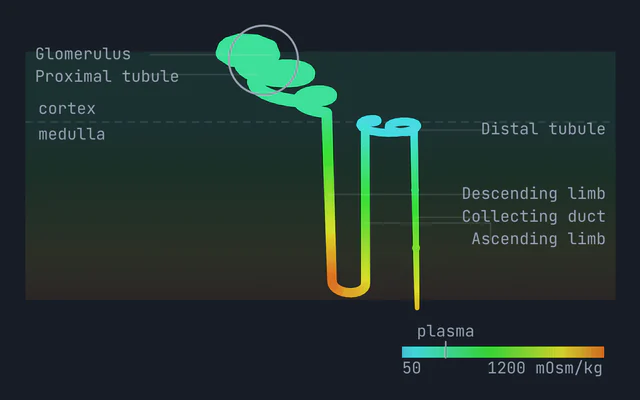
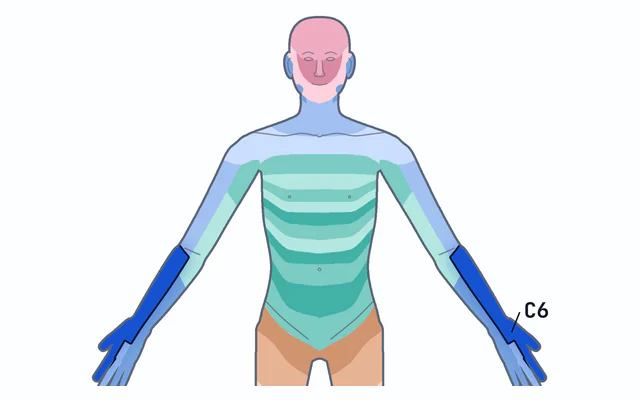
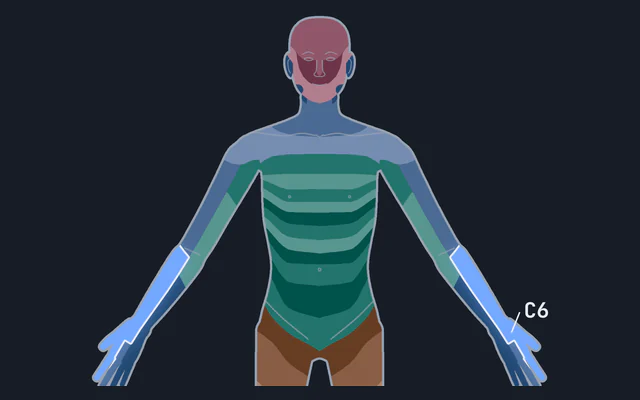
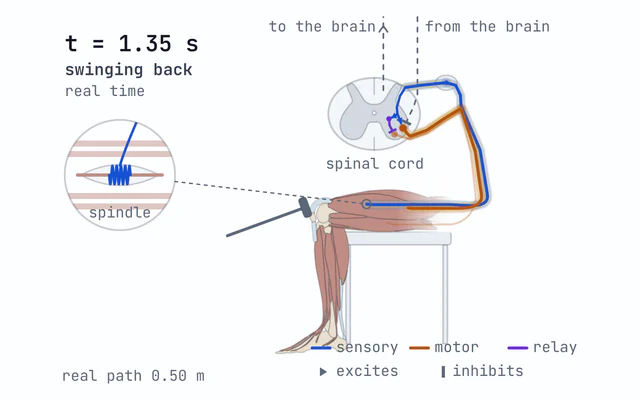
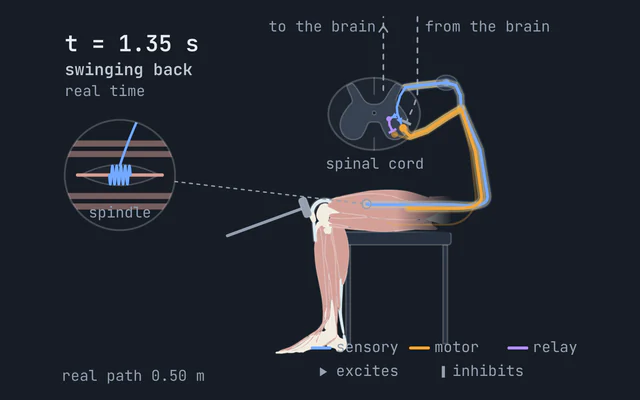


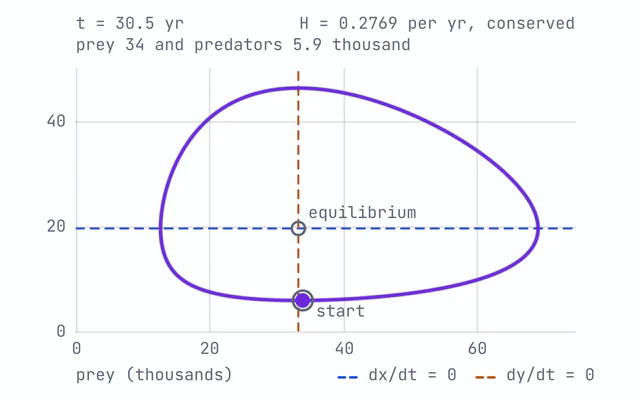
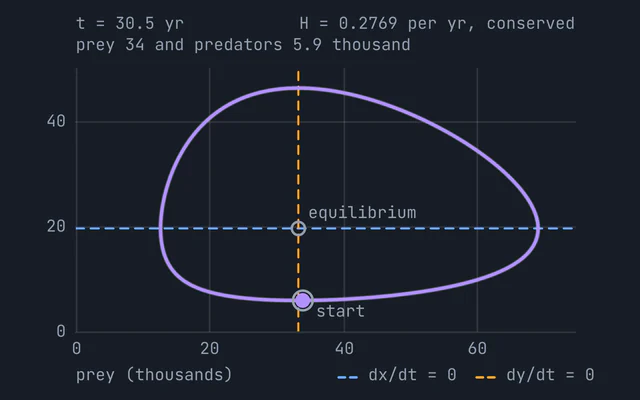
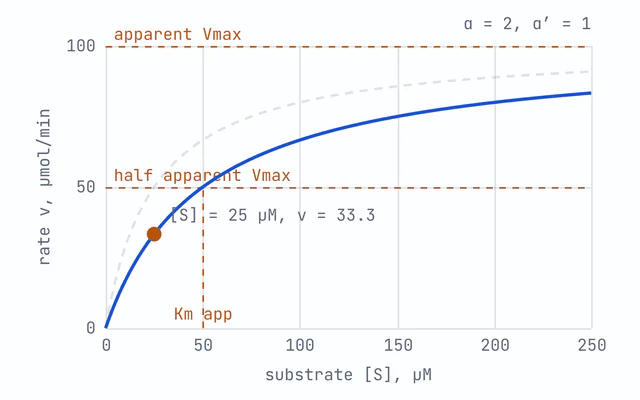
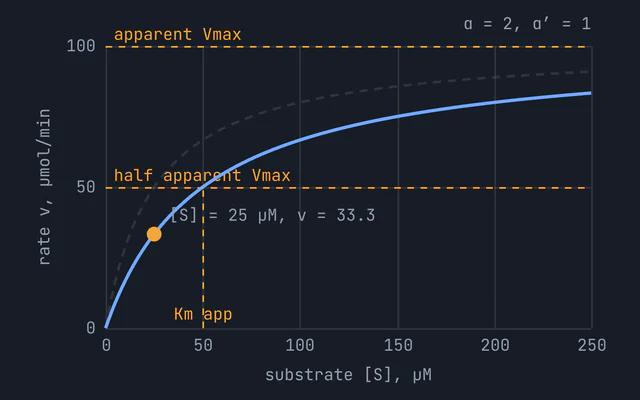
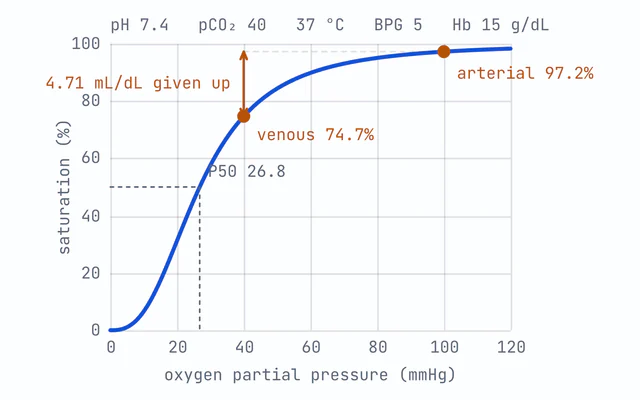
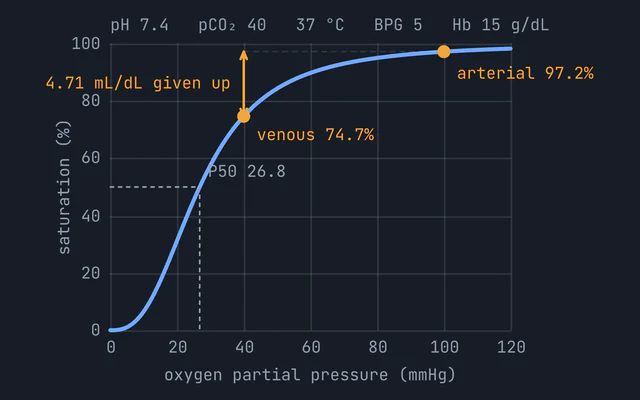
Reflex Arc Simulator: outlines drawn from BodyParts3D, © The Database Center for Life Science, CC BY 4.0.
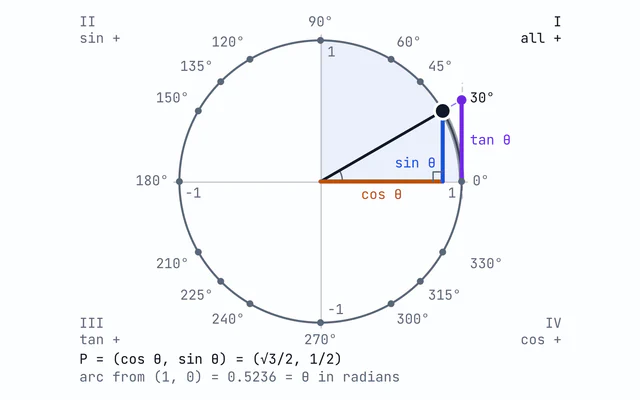
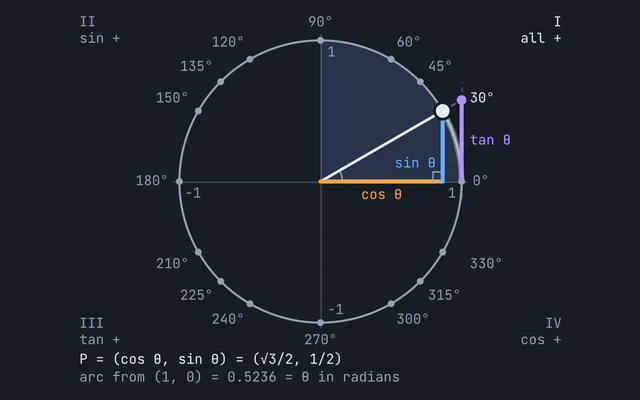
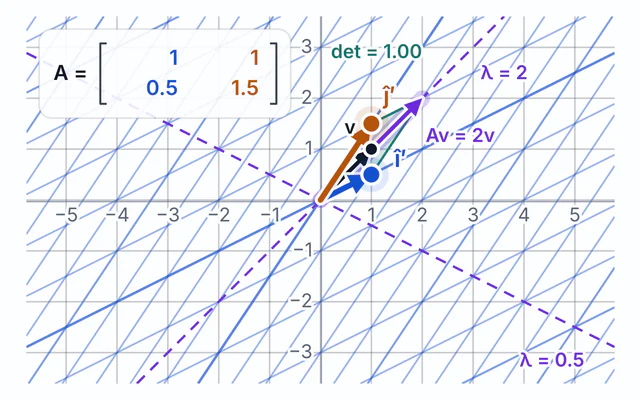
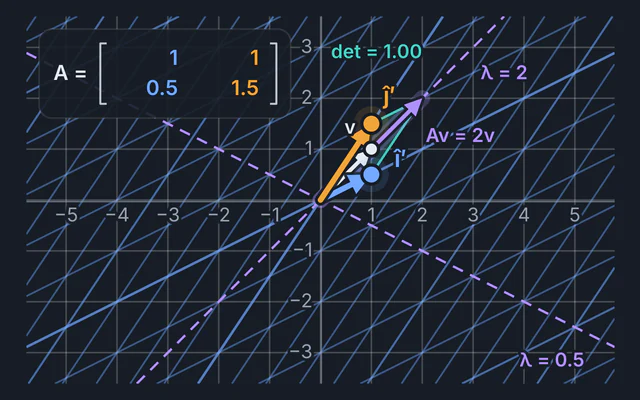
Maths you can see
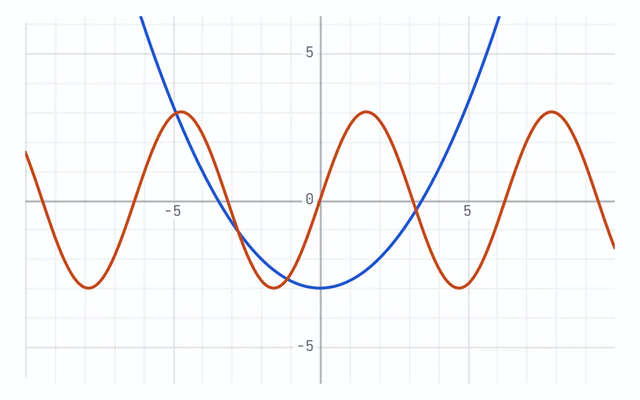
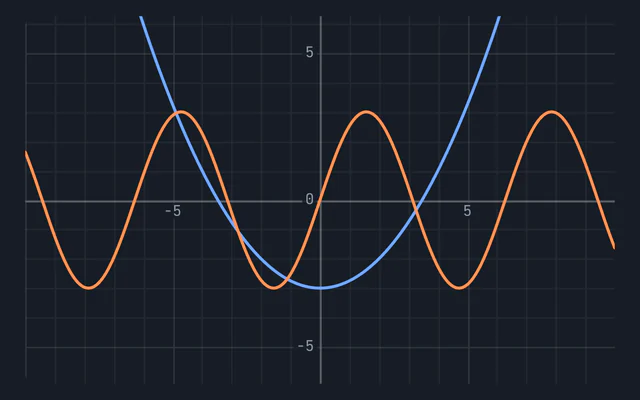
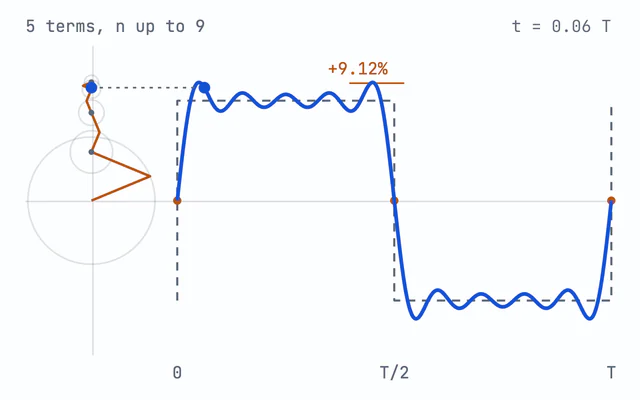
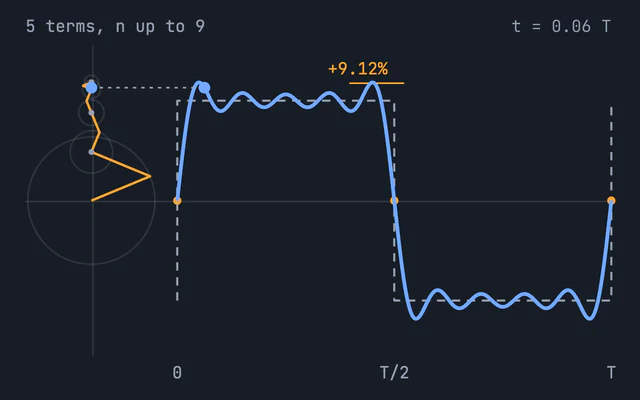
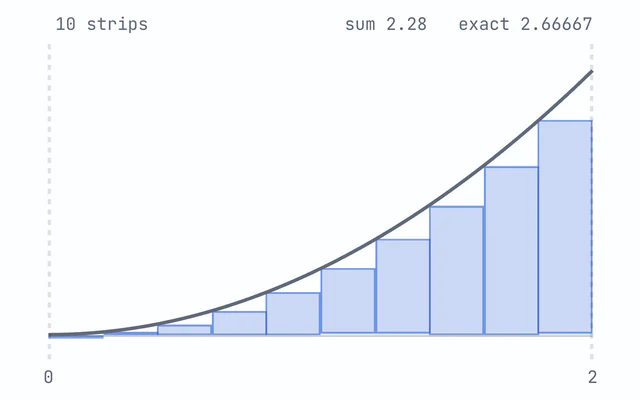
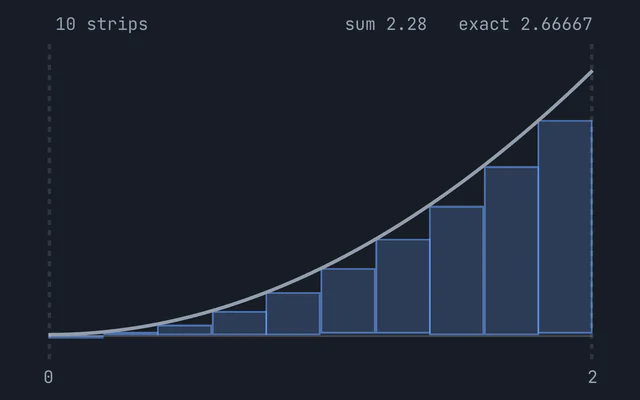
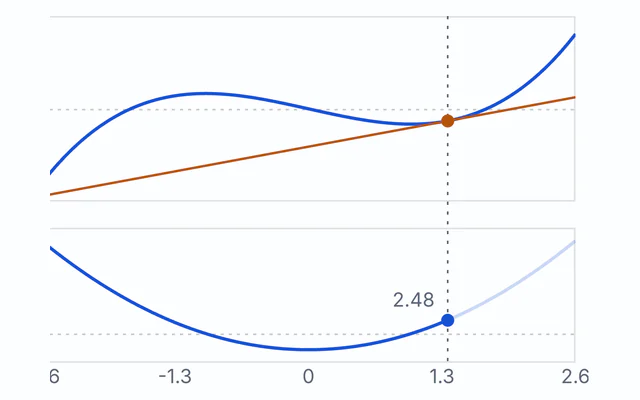
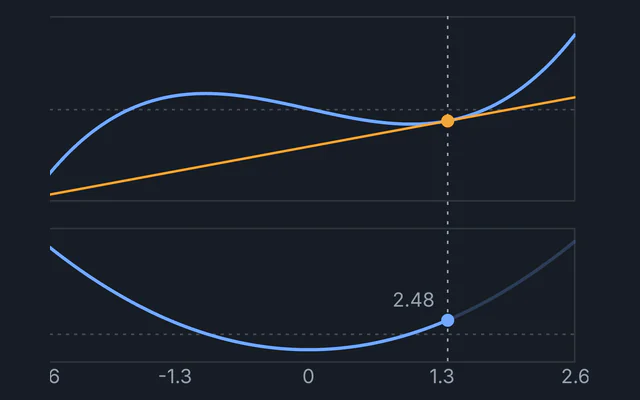
Graphs, transformations and series that move as you change them.


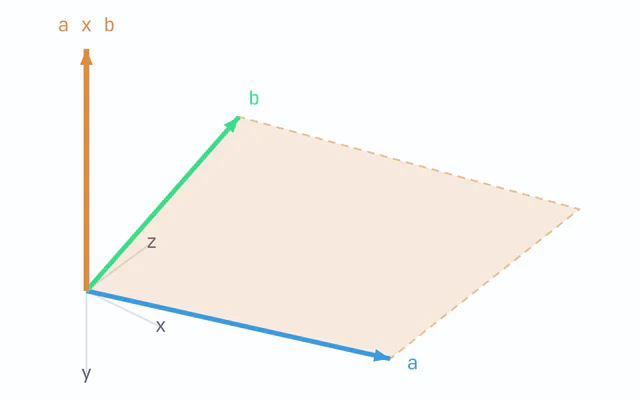
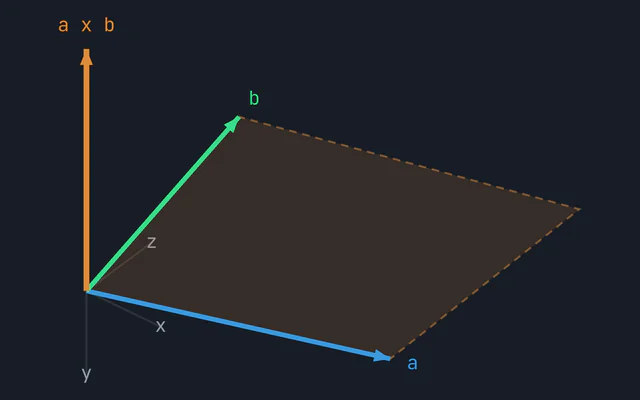
Calculators for the equations you use most
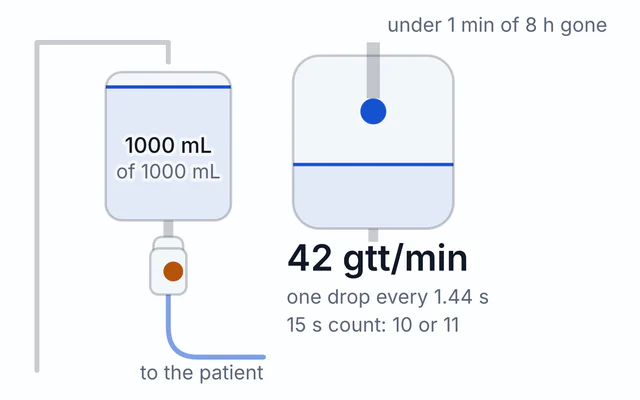
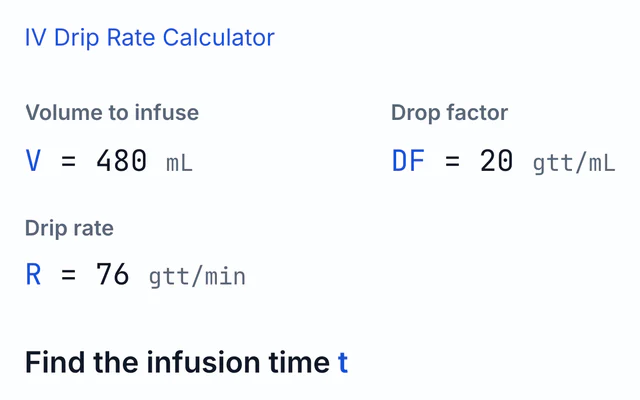
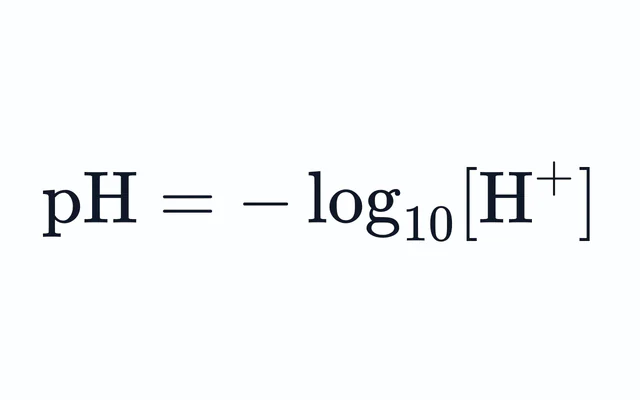
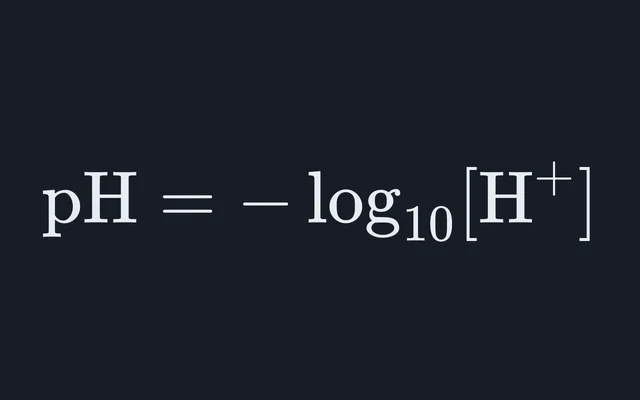
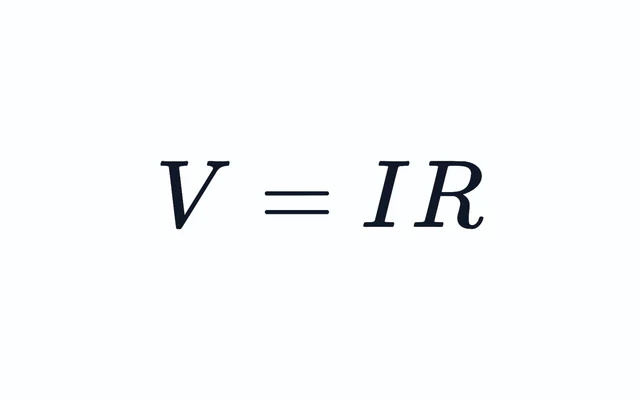
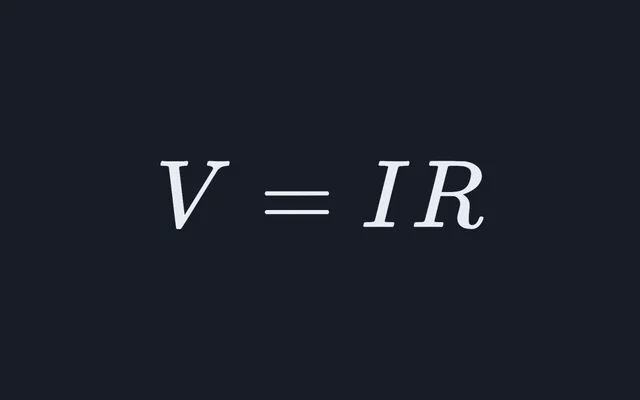
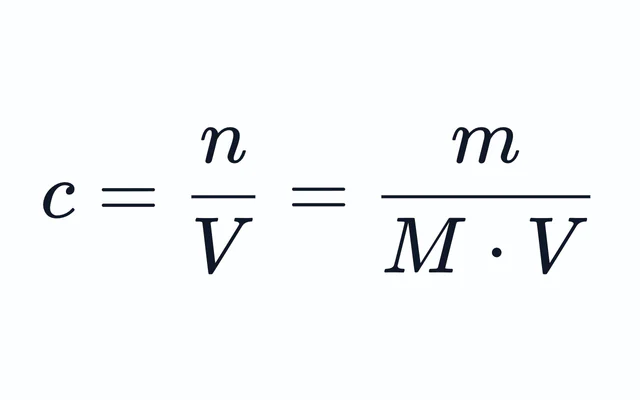
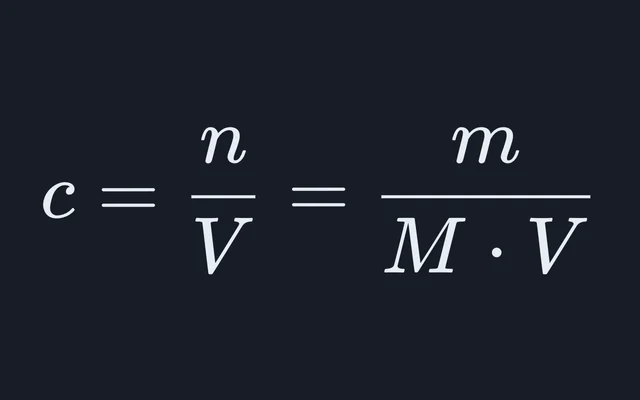
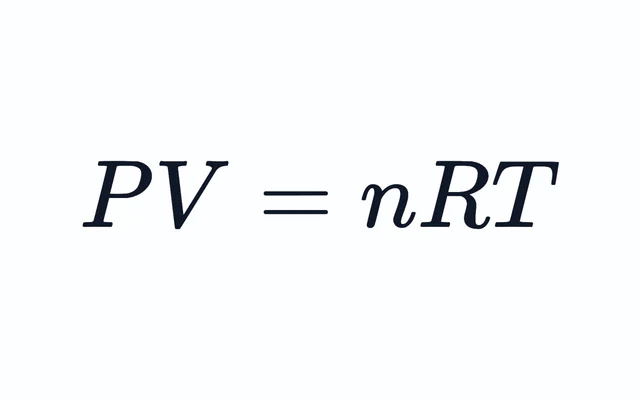
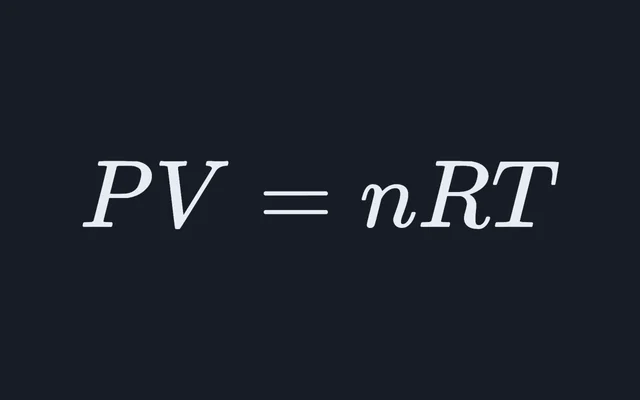
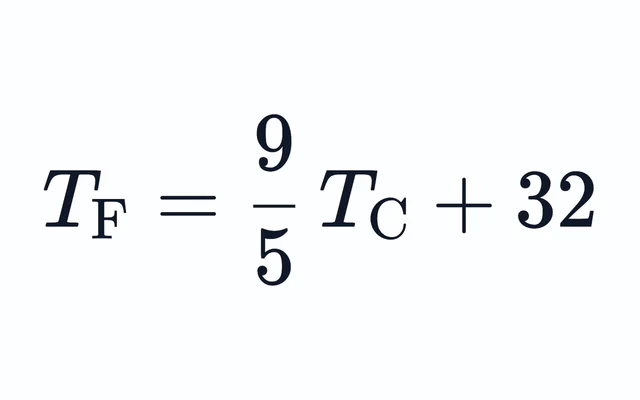
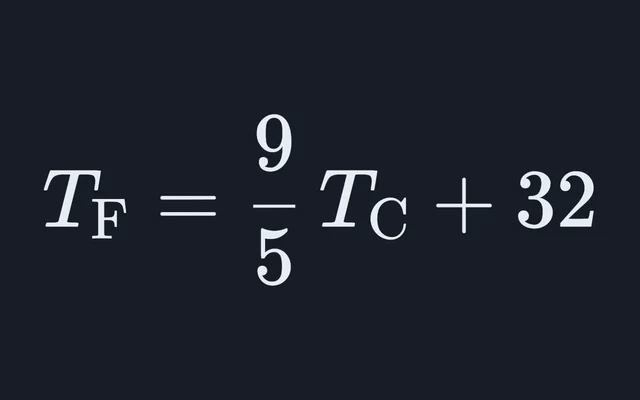
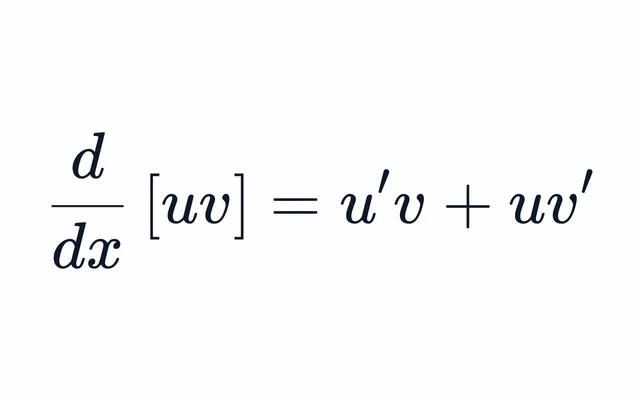
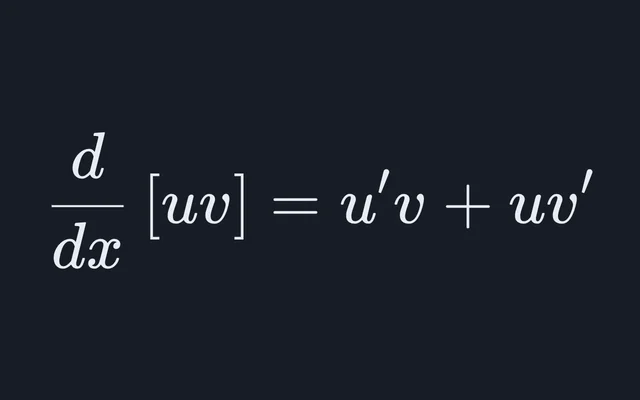
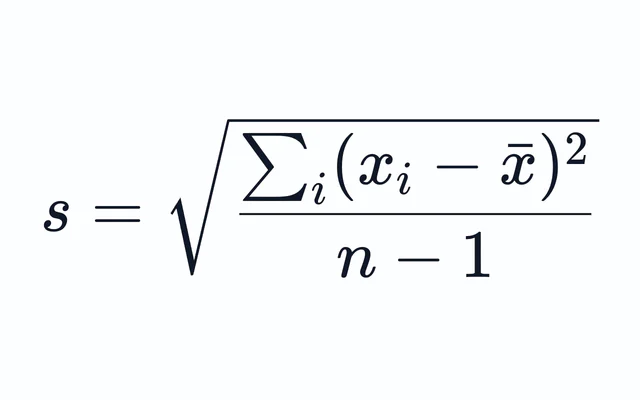
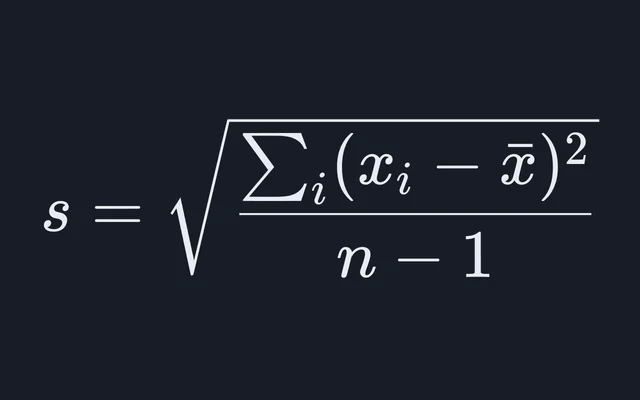
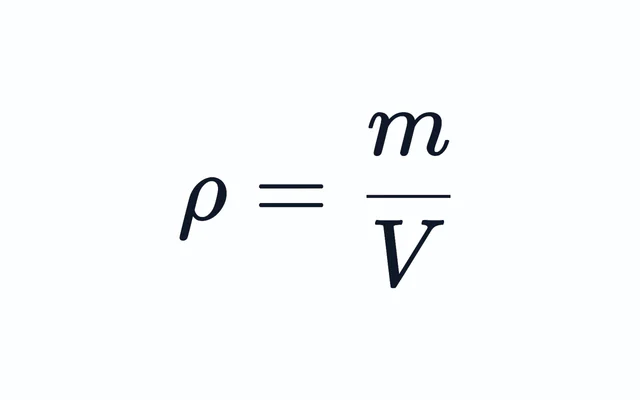
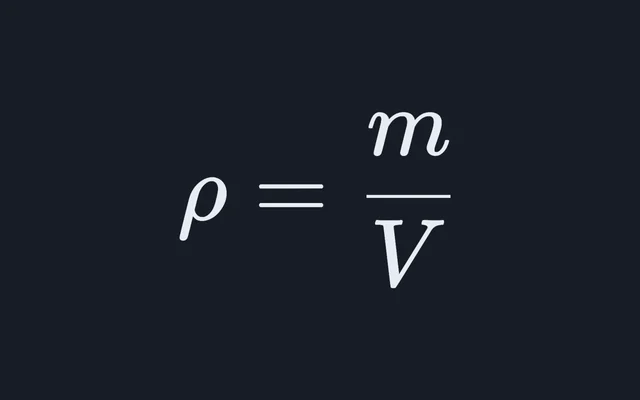
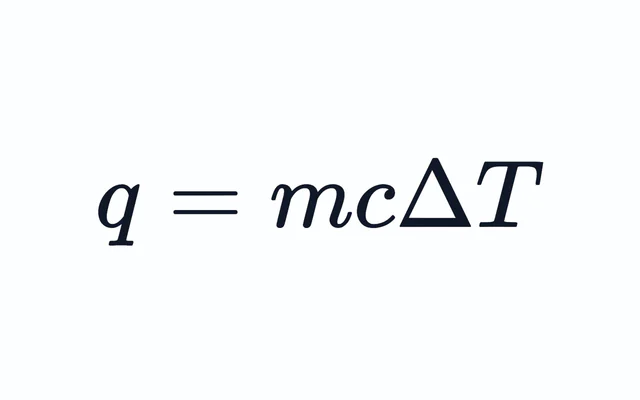
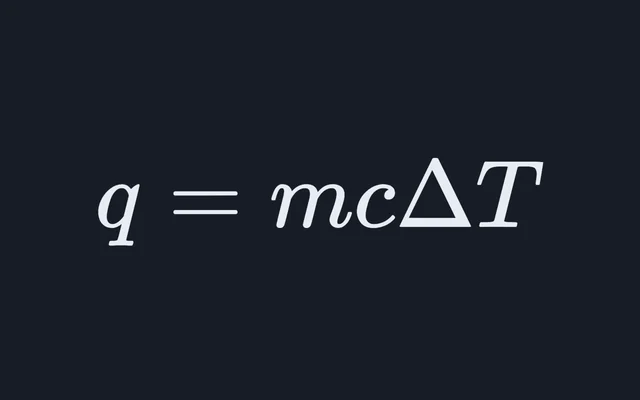
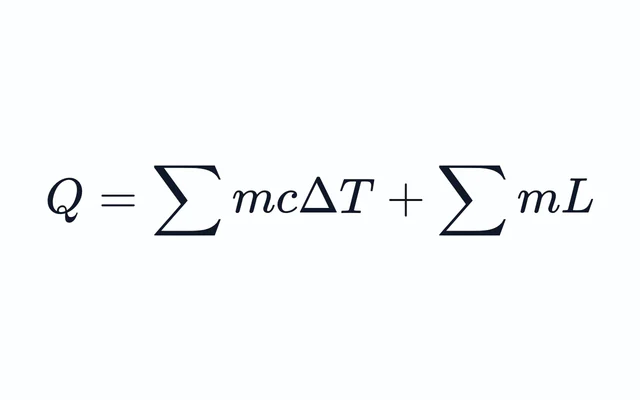
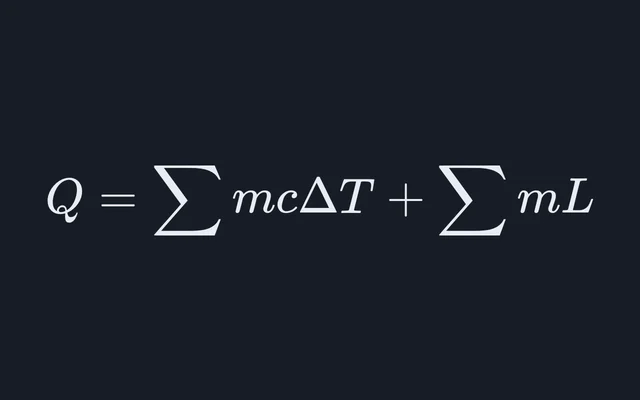
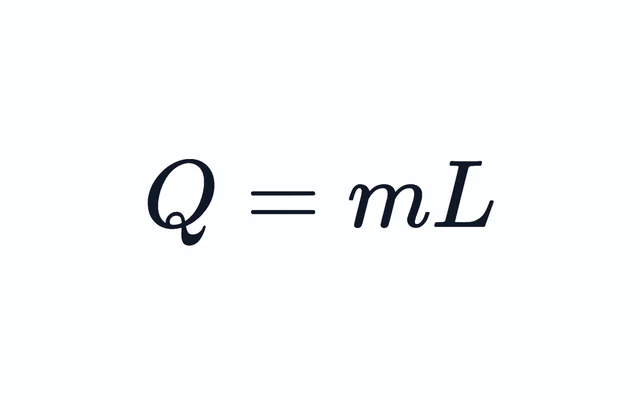
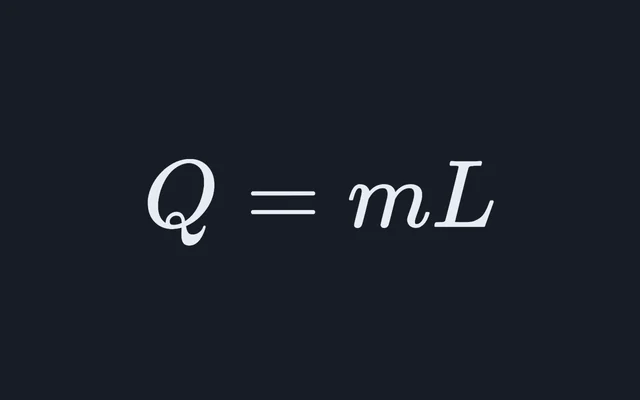
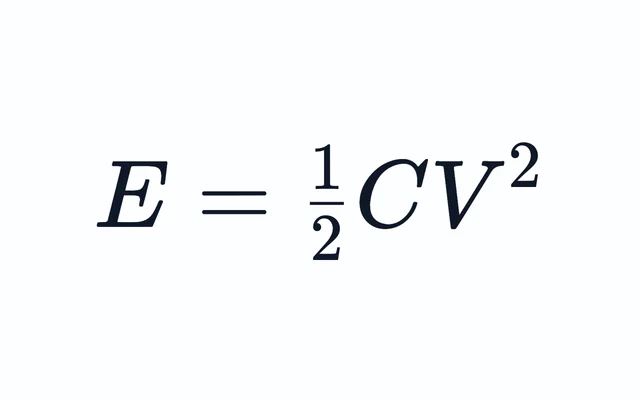
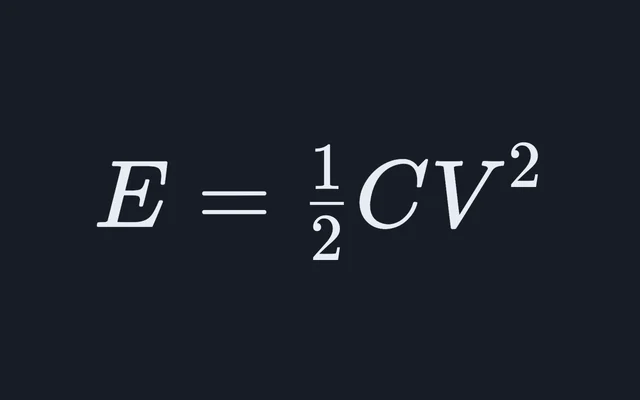
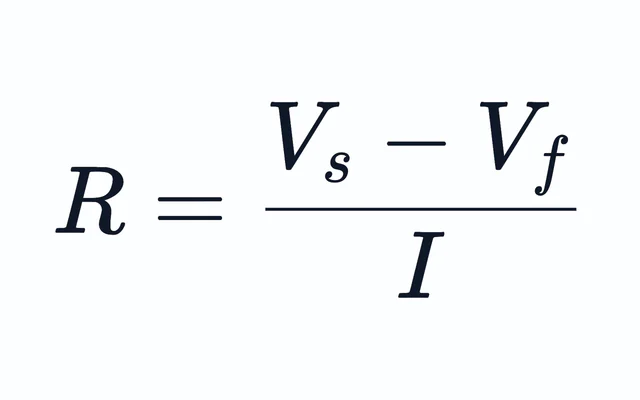
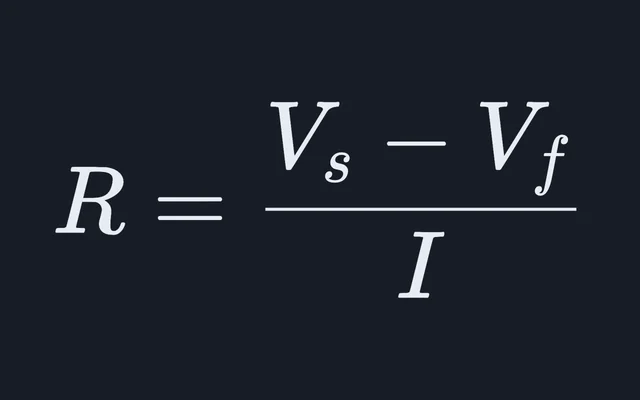
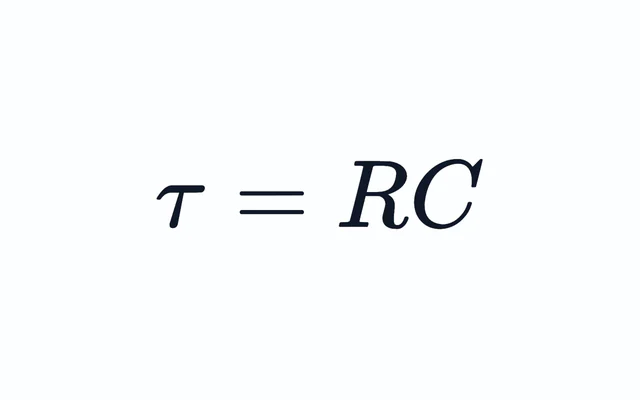
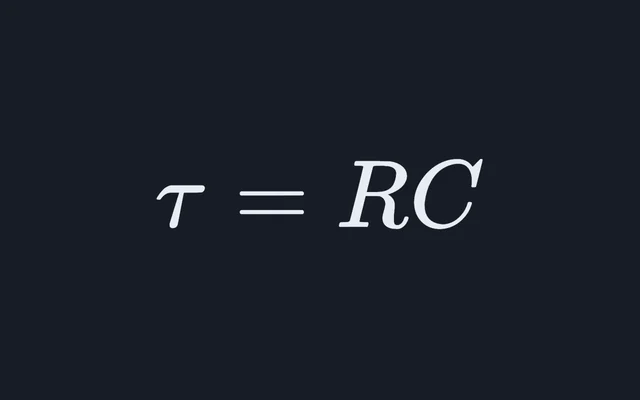
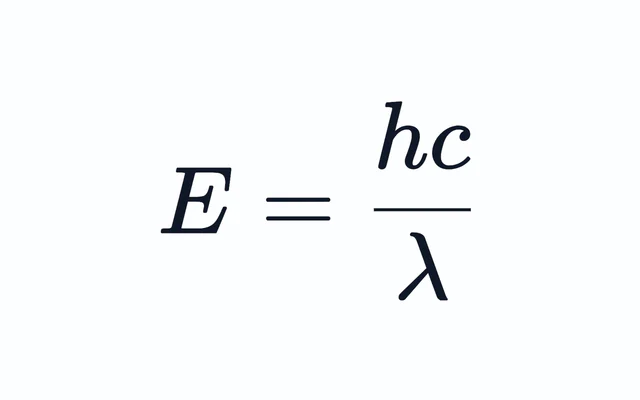
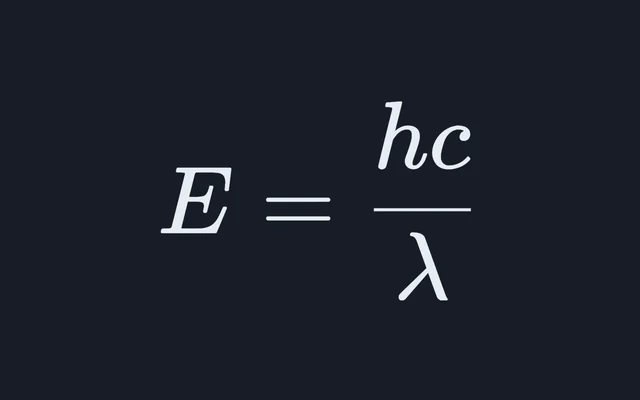
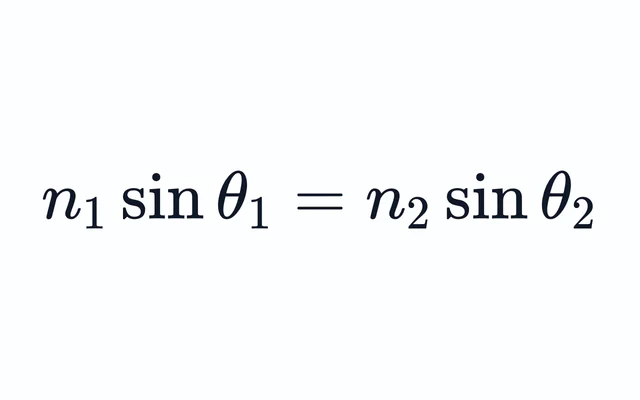
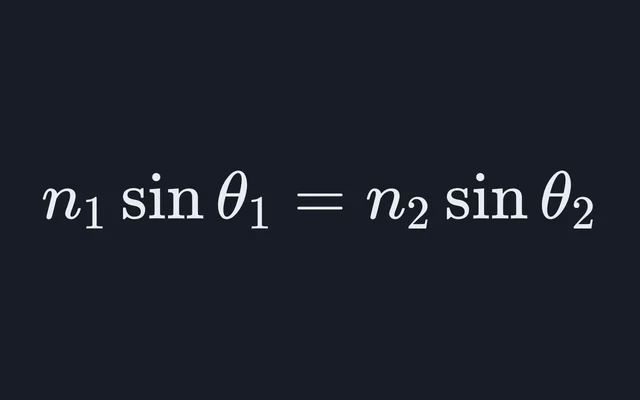
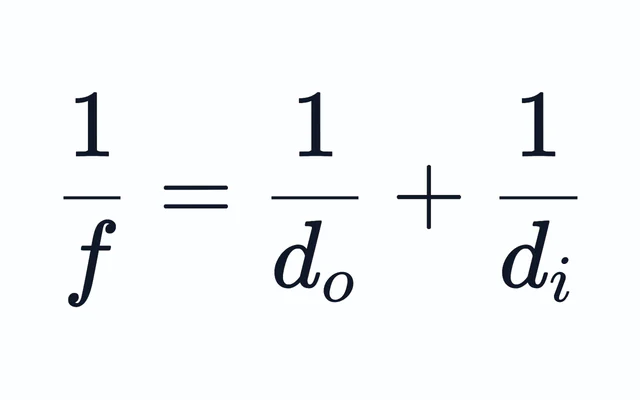
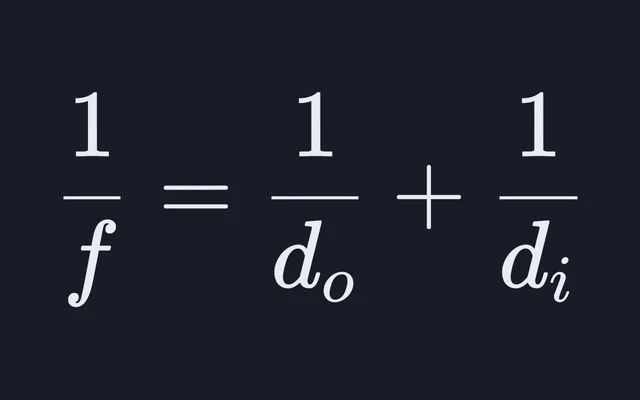
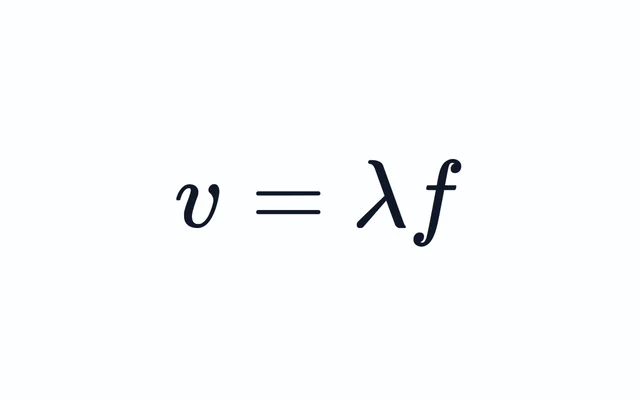
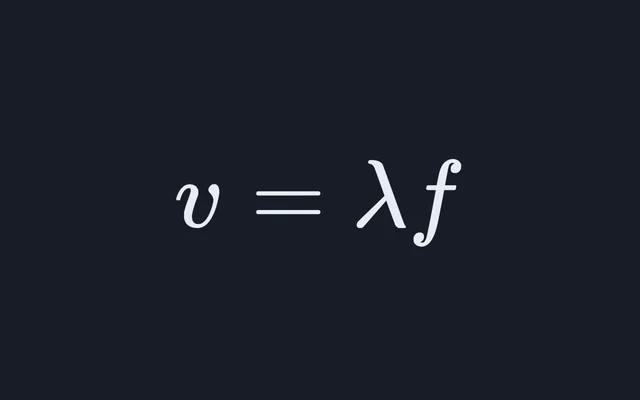
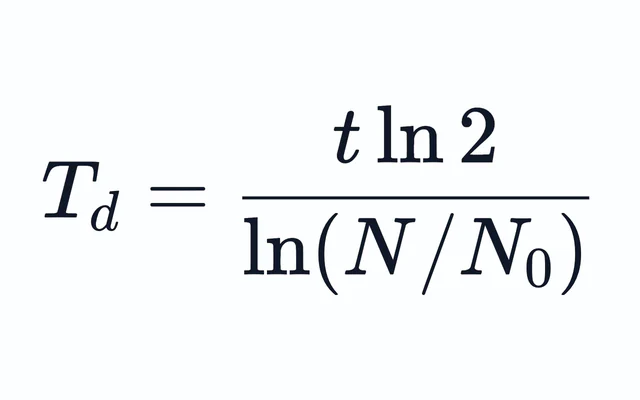
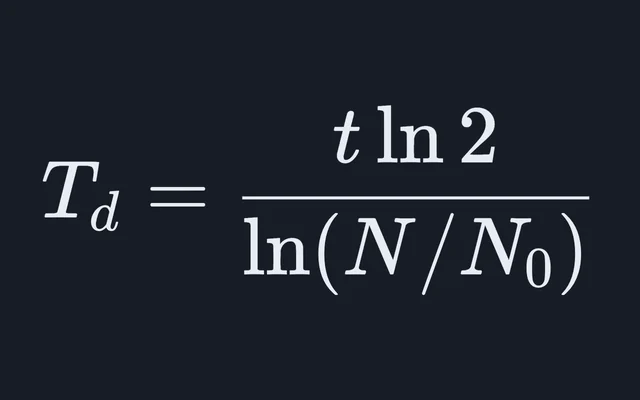
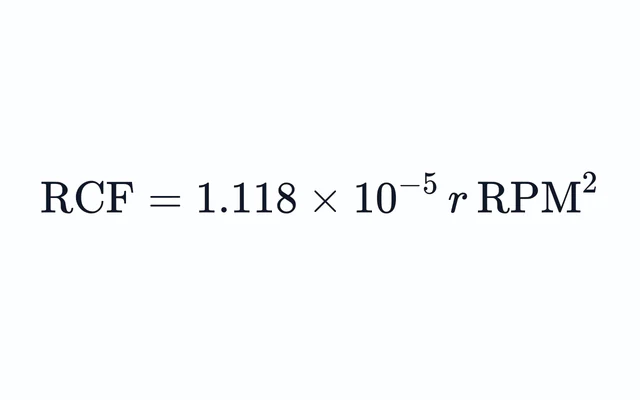
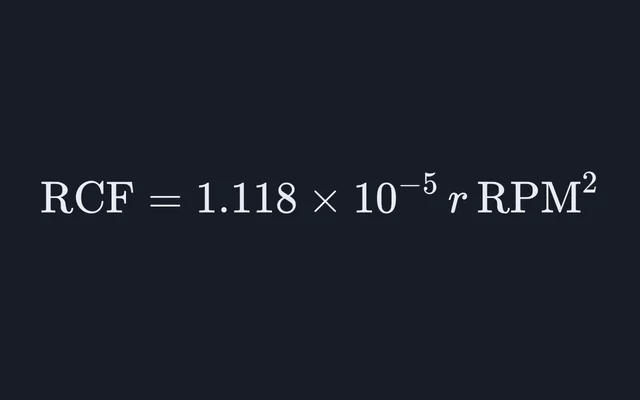
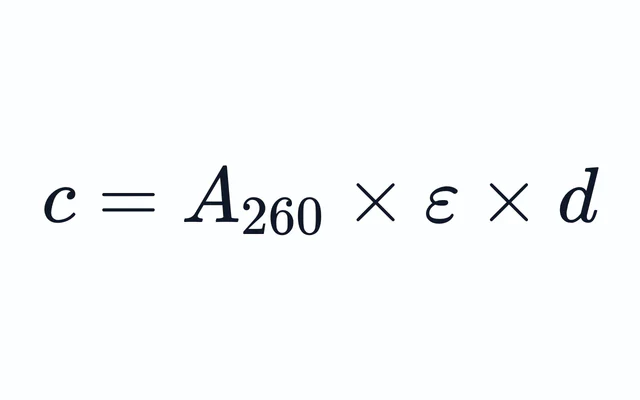
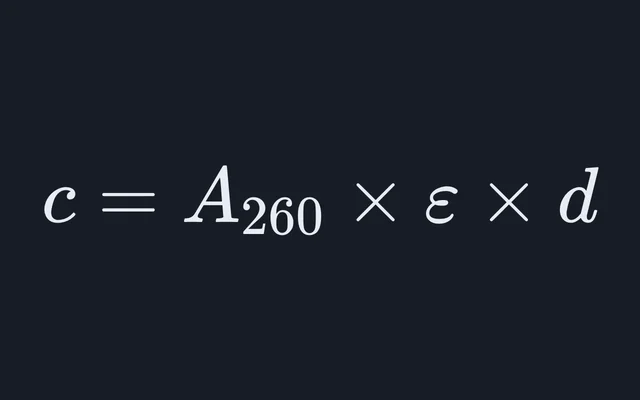
Molar mass, pH, Ohm’s law, the ideal gas law and more, each card showing the equation it solves.
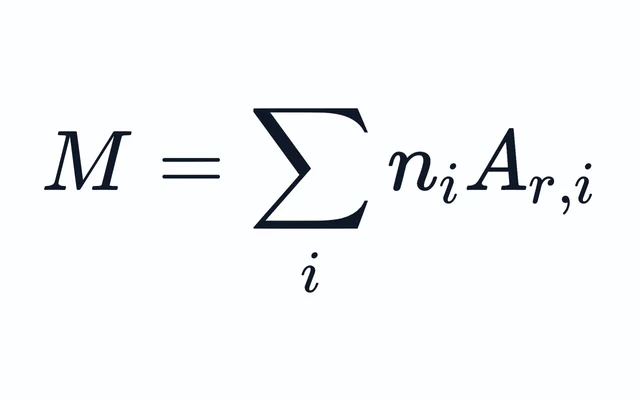
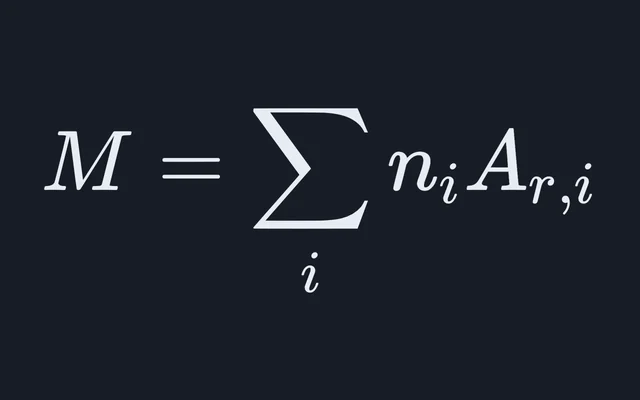
Browse by subject
Reference and practice
Reference
Practice problems
By kind and course
Answers you can check
The maths is shown, not hidden
Every calculator and simulator states the governing equation and, where a closed-form solution exists, uses it. The numbers match a hand calculation to the last digit displayed rather than merely coming close.
Same inputs, same answer
Simulations run on a fixed timestep rather than frame timing, so a phone and a 144 Hz monitor step through identical physics. A shared link reproduces exactly what the sender saw.
Units handled properly
Values convert to a single base unit before any arithmetic, so mixing microlitres with millimolar is safe. Results are rounded to honest significant figures rather than fifteen meaningless decimals.
Calculations stay in your browser
Every calculation runs on your device, with no account and nothing uploaded for processing. The values you enter are kept in the page address so results can be shared, and that address can reach this site’s server and our advertising partner.