Free MCAT science simulators and calculators sorted by AAMC content category, from 1A enzymes and 3B organ systems to 4A forces, 5A acids and 6A vision.
125 tools across 20 content categories
1A: Structure and function of proteins and their constituent amino acids
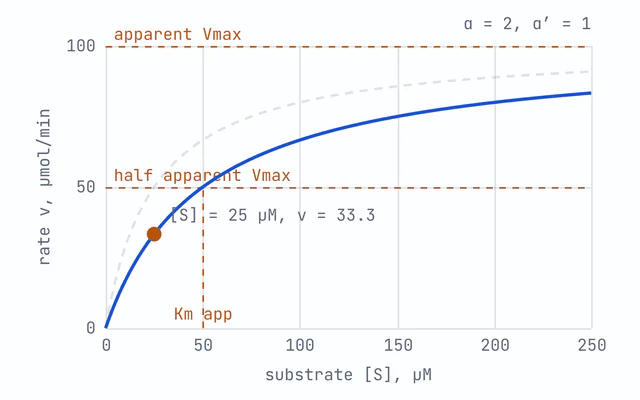
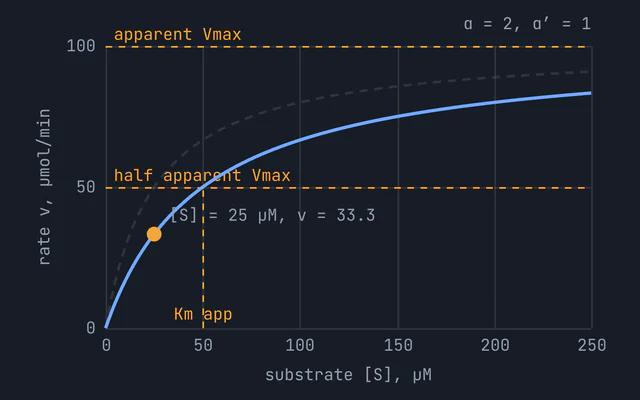
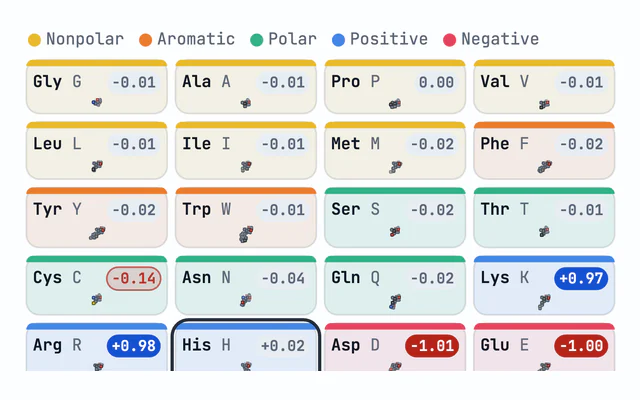
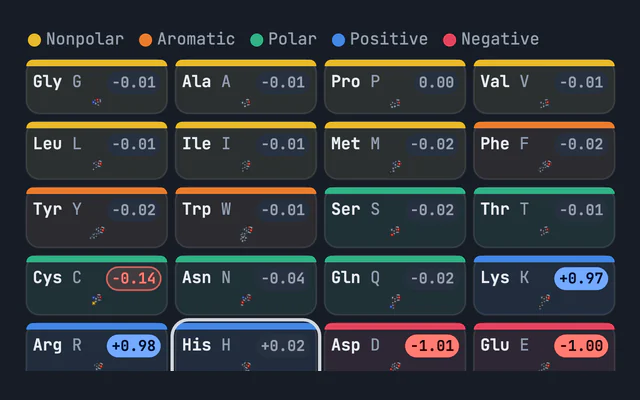
Biological and Biochemical Foundations of Living Systems, Foundational Concept 1: amino acid structure, side chain classes, charge and isoelectric point, and enzyme kinetics with Michaelis-Menten curves and competitive, noncompetitive and uncompetitive inhibition.
1B: Transmission of genetic information from the gene to the protein
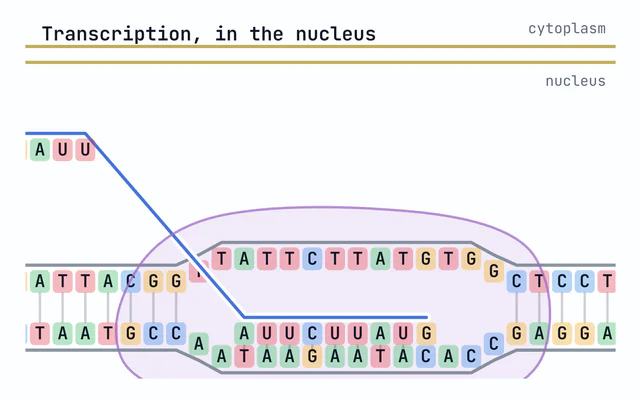
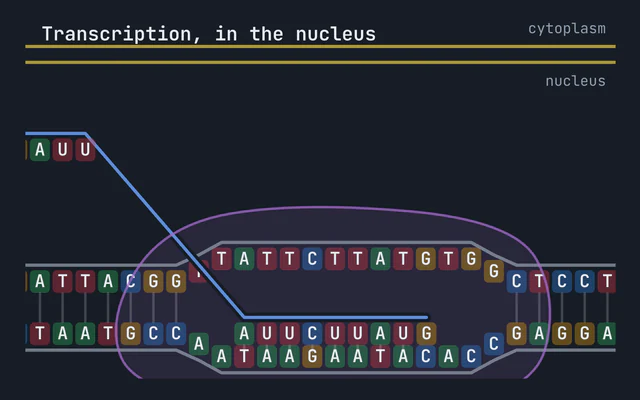
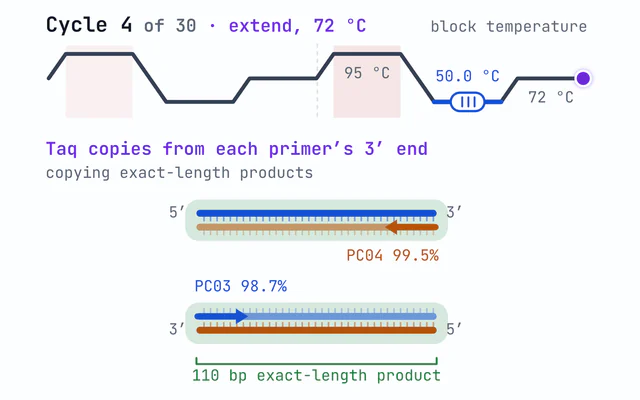
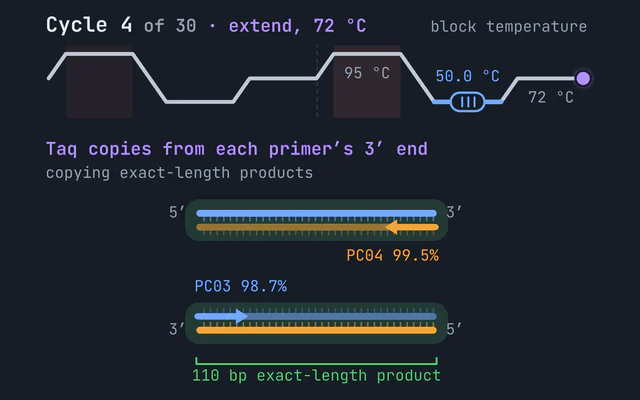
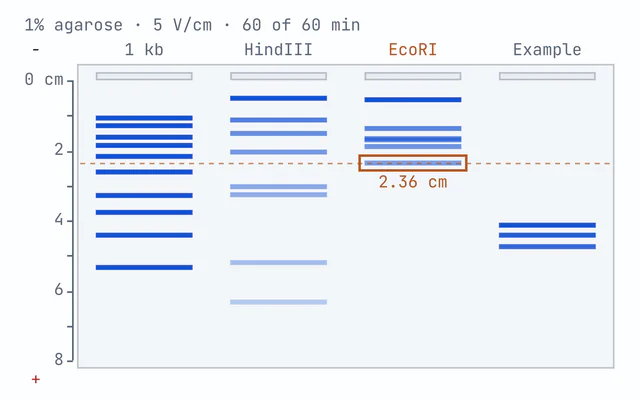
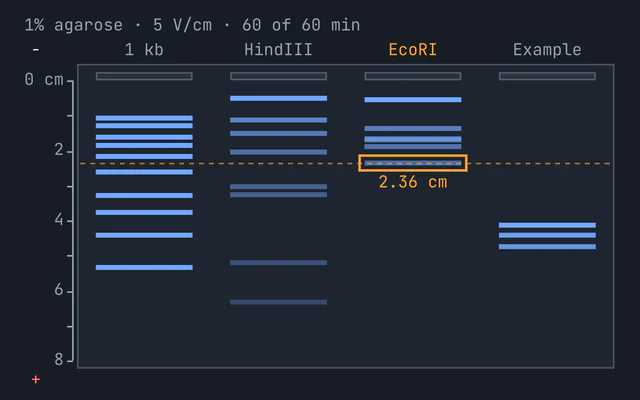
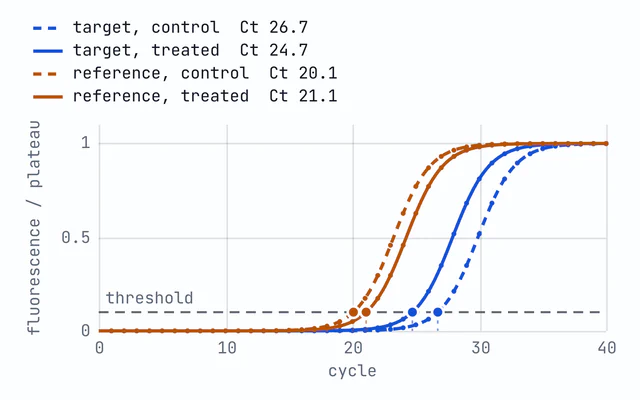
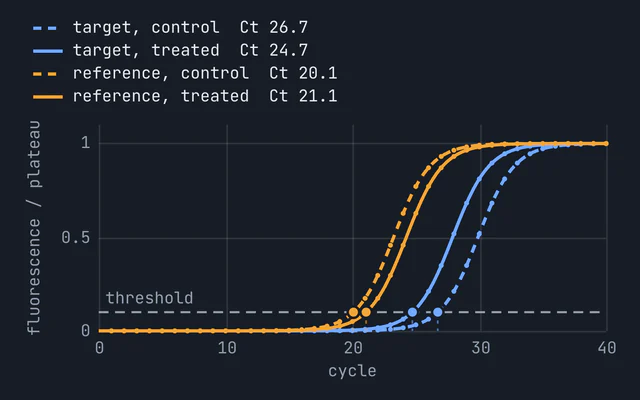
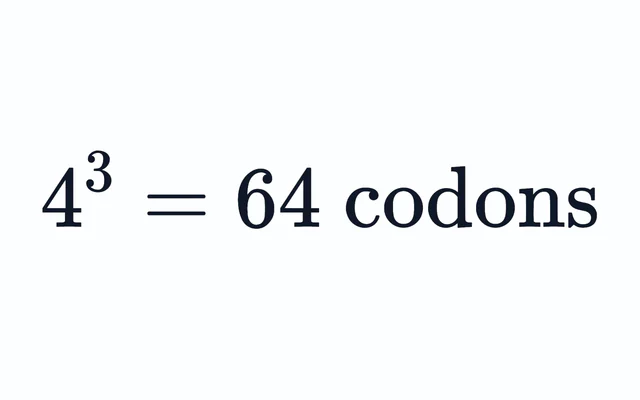
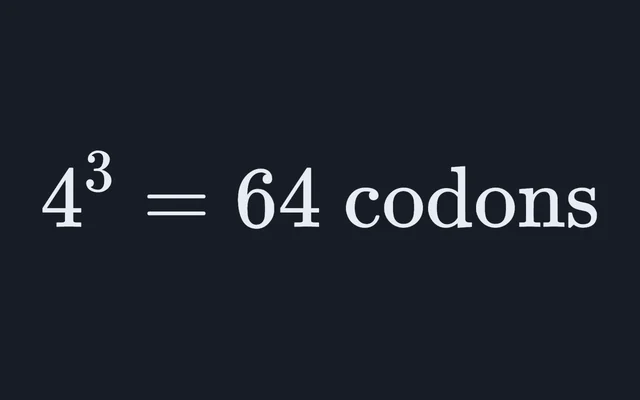
Foundational Concept 1: the double helix and base pairing, transcription and translation through the genetic code, and the biotechnology the outline lists, from the polymerase chain reaction and gel electrophoresis to the analysis of gene expression by qPCR.
1C: Transmission of heritable information from generation to generation and the processes that increase genetic diversity
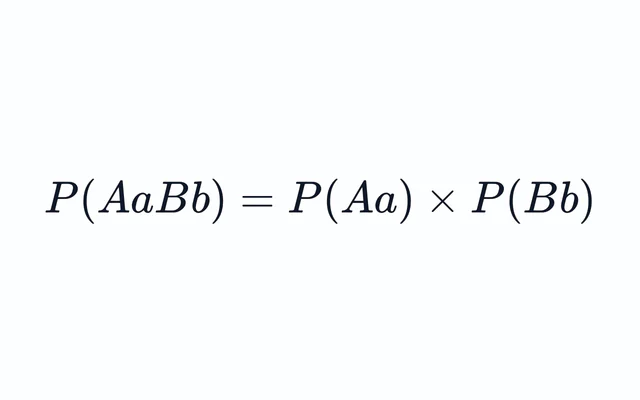
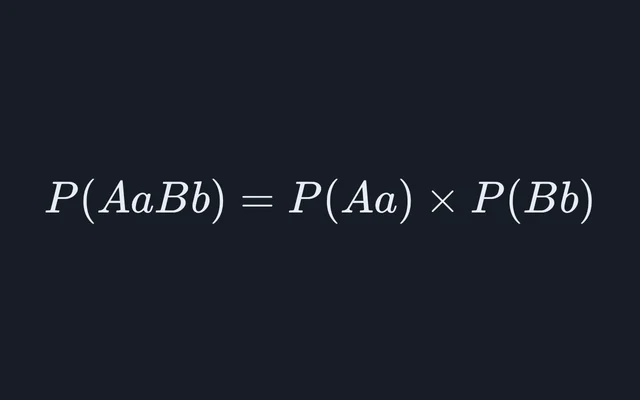
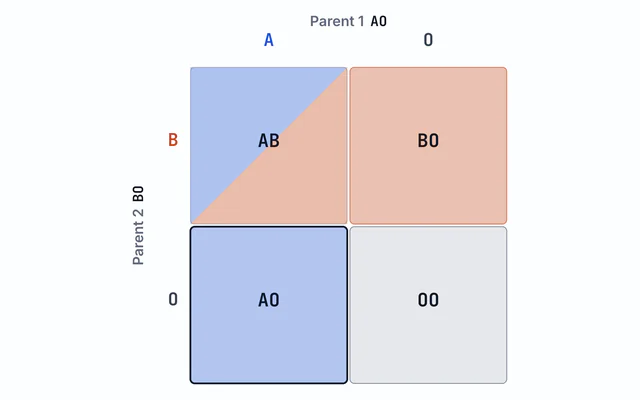
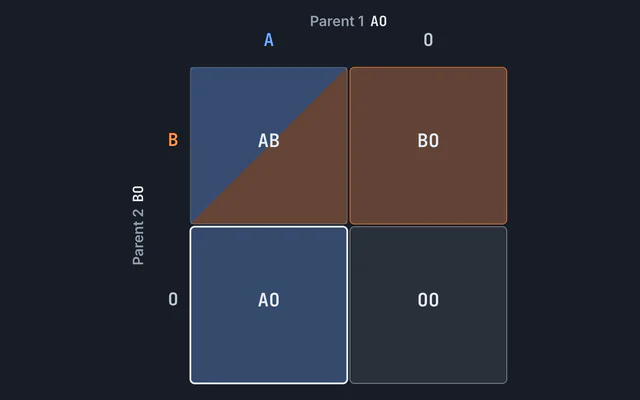
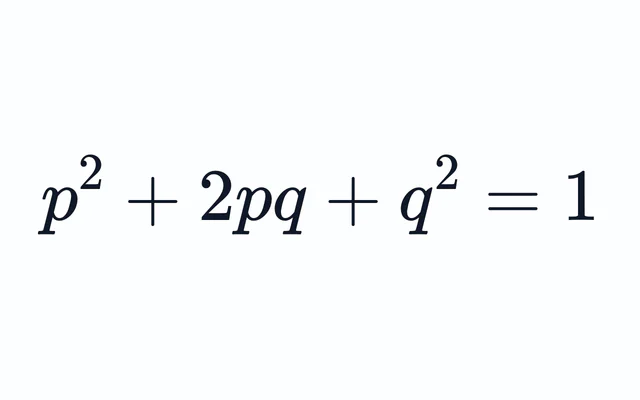
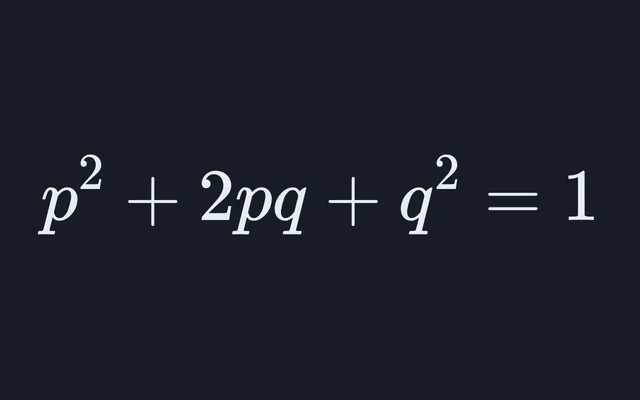
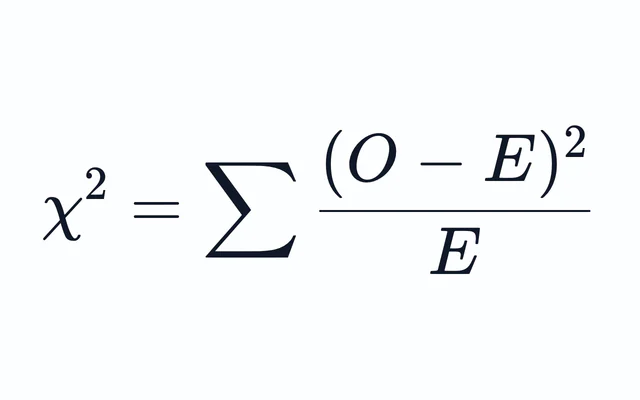
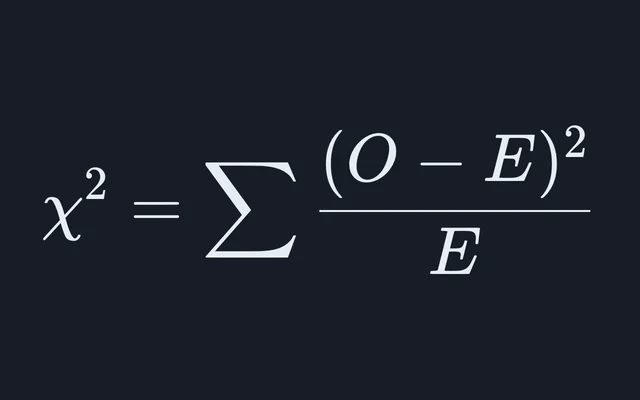
Foundational Concept 1: Mendelian crosses, codominance and multiple alleles in the ABO blood groups, sex-linked inheritance, the Hardy-Weinberg principle, and the chi-square test that checks a cross against its expected ratio.
2A: Assemblies of molecules, cells, and groups of cells within single cellular and multicellular organisms
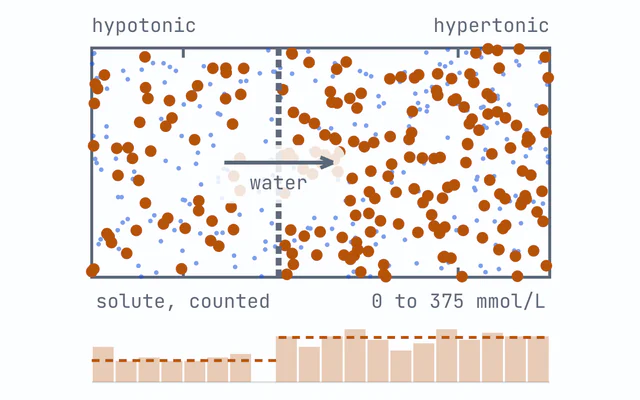
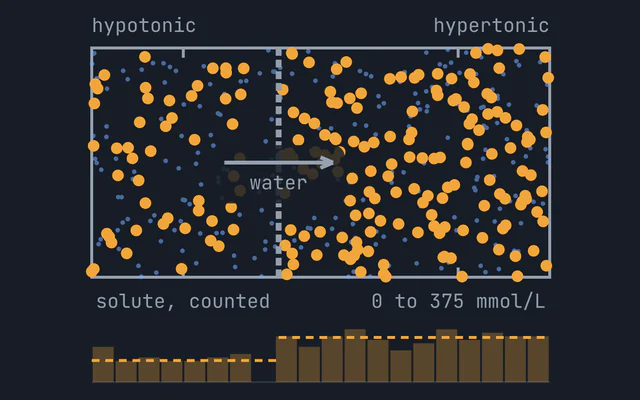
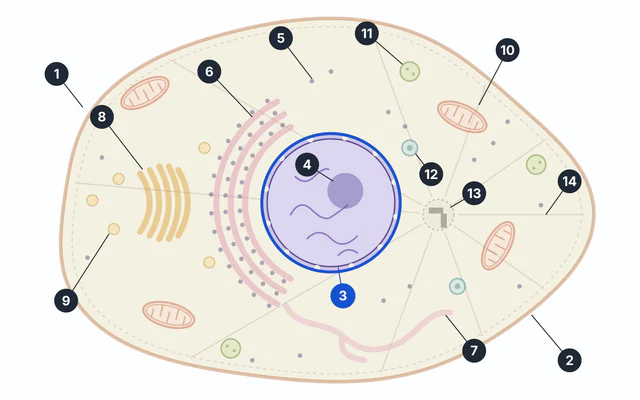
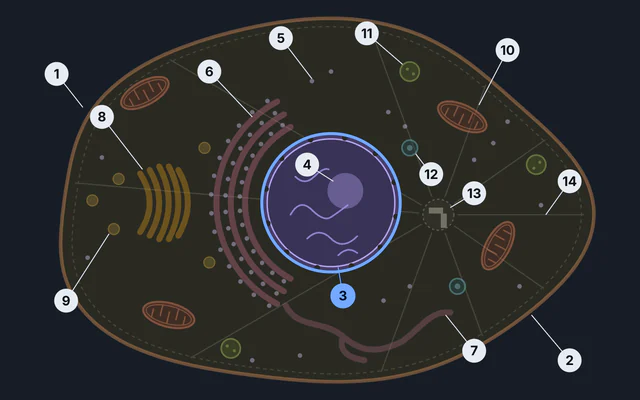
Foundational Concept 2: the membrane-bound organelles that define eukaryotic cells, and solute transport across the plasma membrane by diffusion and osmosis.
2B: The structure, growth, physiology, and genetics of prokaryotes and viruses
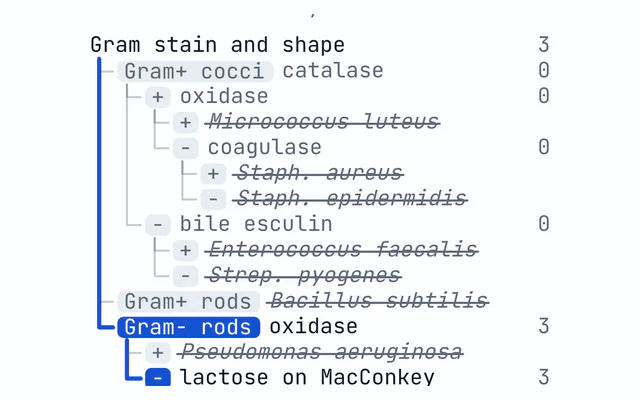
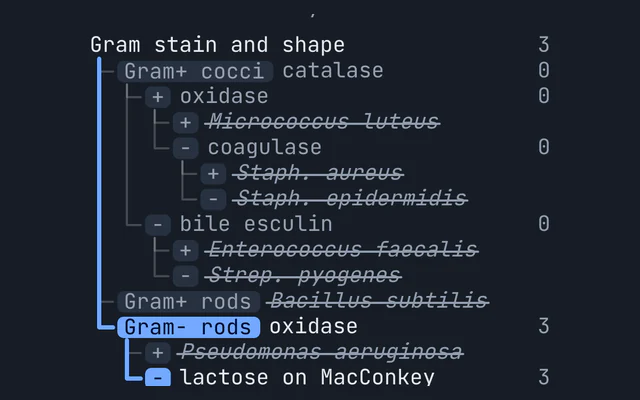
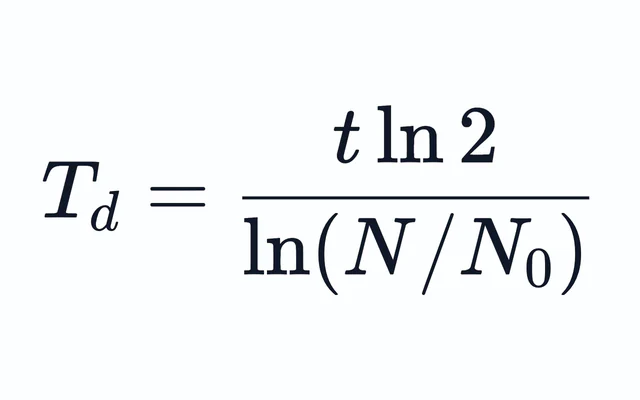
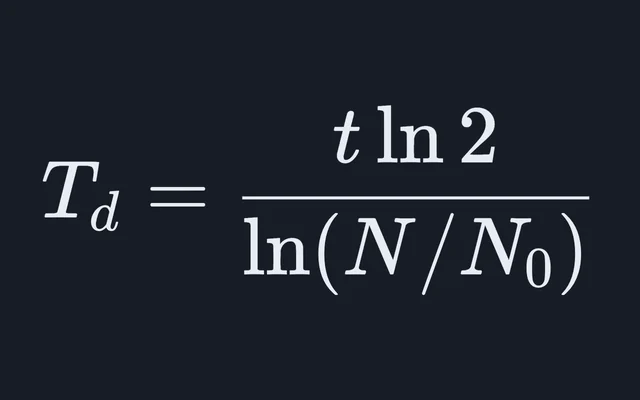
Foundational Concept 2: bacteria classified by shape and by the Gram stain, which sorts them by cell wall, and the exponential growth of a population dividing by fission.
3A: Structure and functions of the nervous and endocrine systems and ways these systems coordinate the organ systems
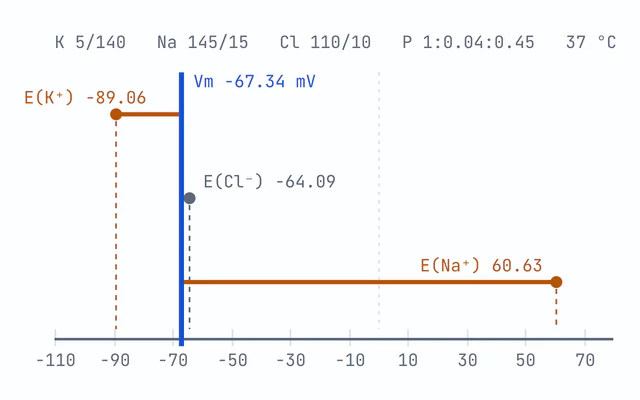
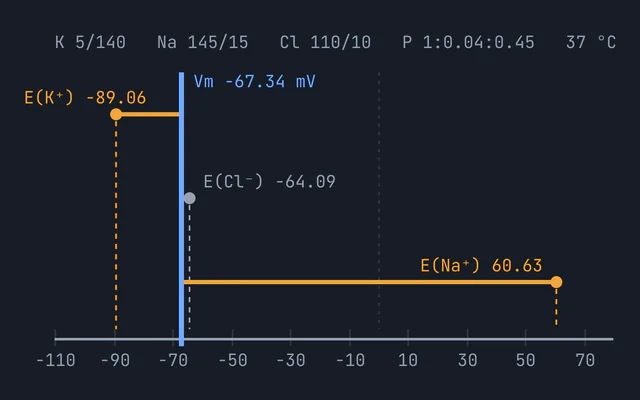
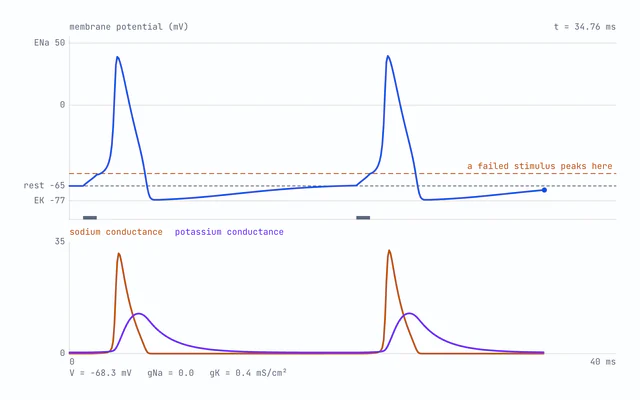
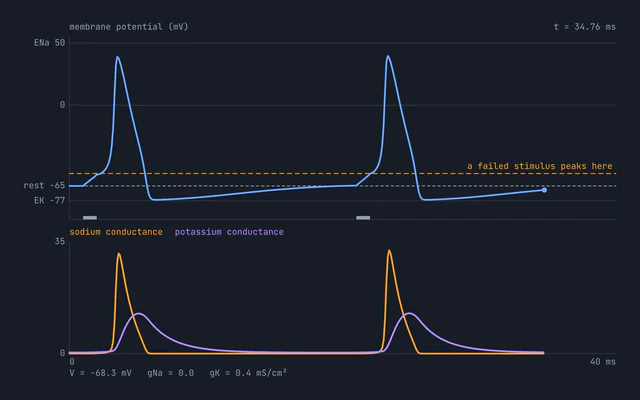
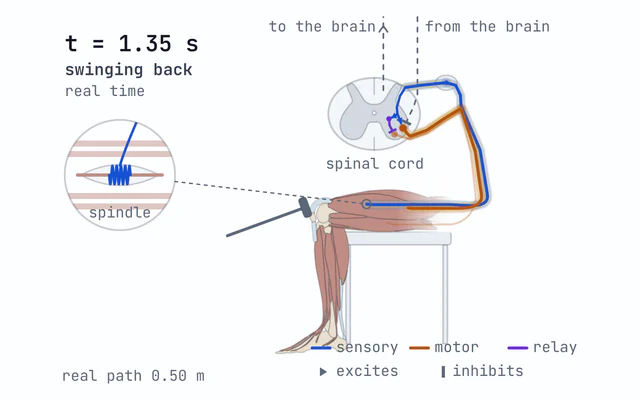
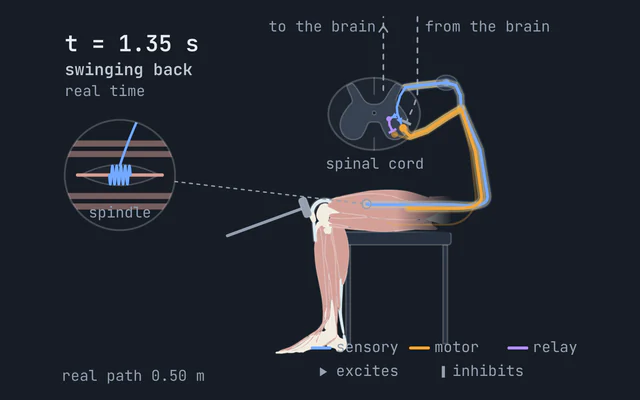
Foundational Concept 3: the resting potential from the Nernst and Goldman equations, the action potential with its threshold and refractory period, and the reflex arc through the spinal cord.
3B: Structure and integrative functions of the main organ systems
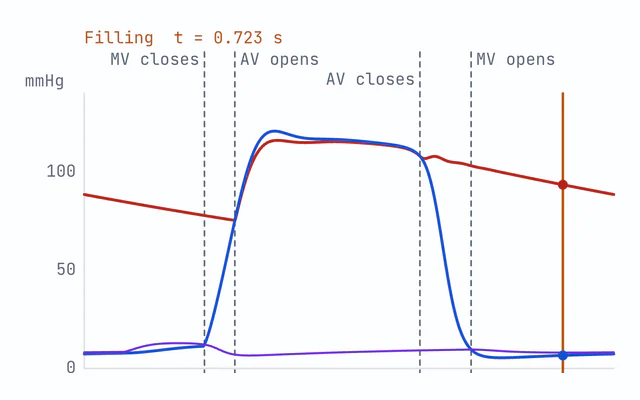
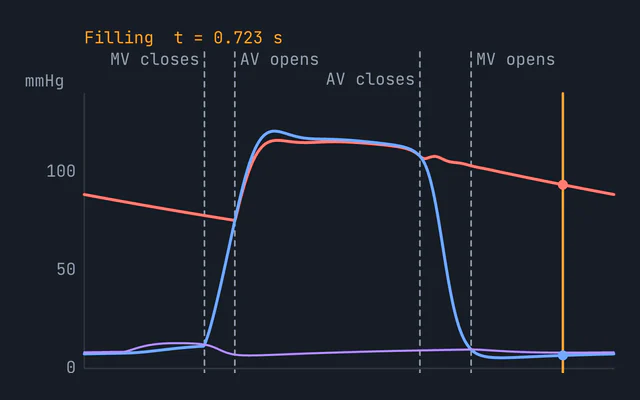
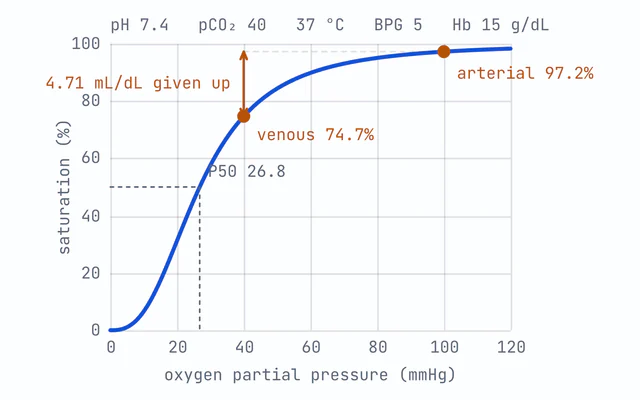
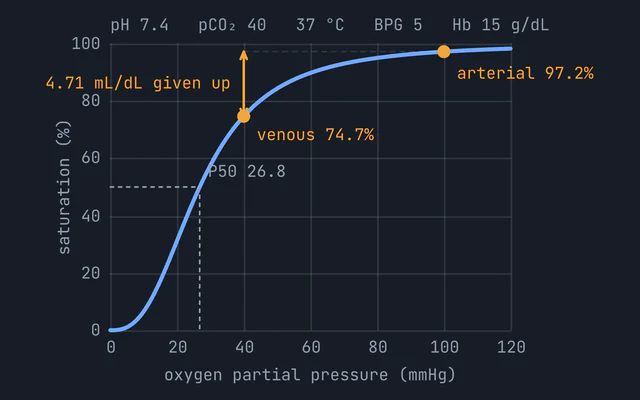
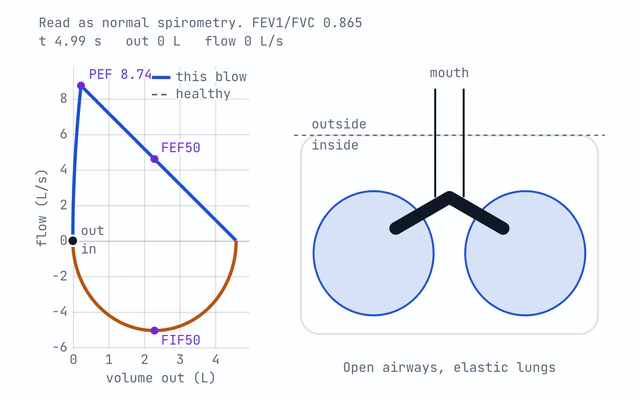
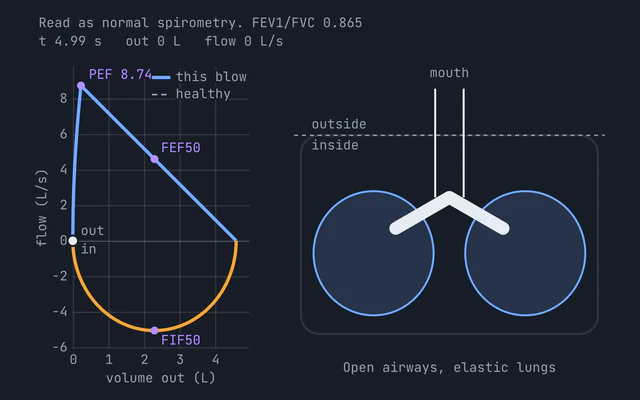
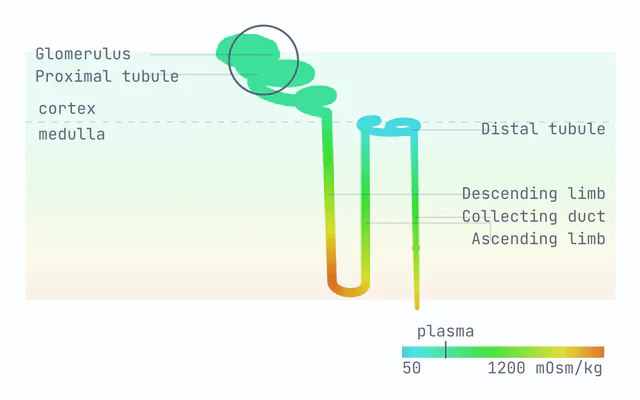
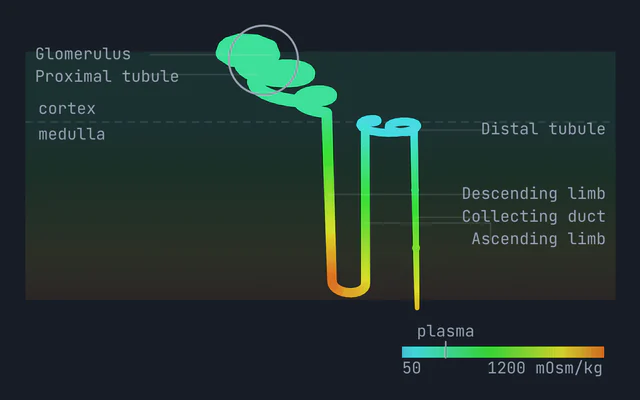
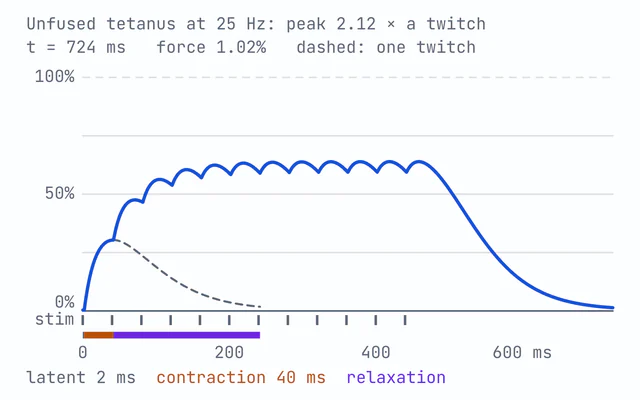
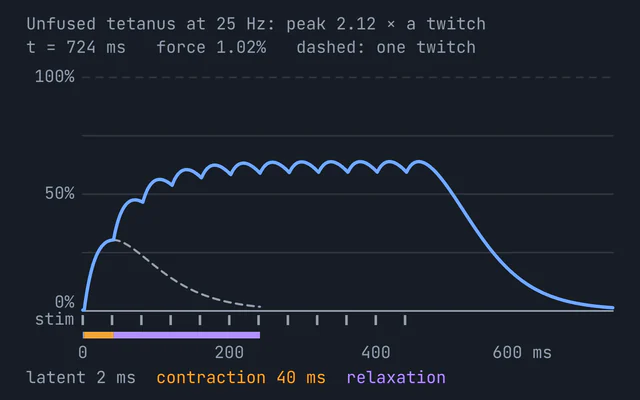
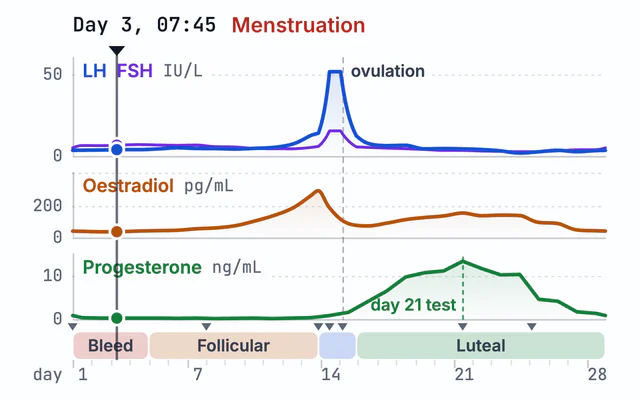
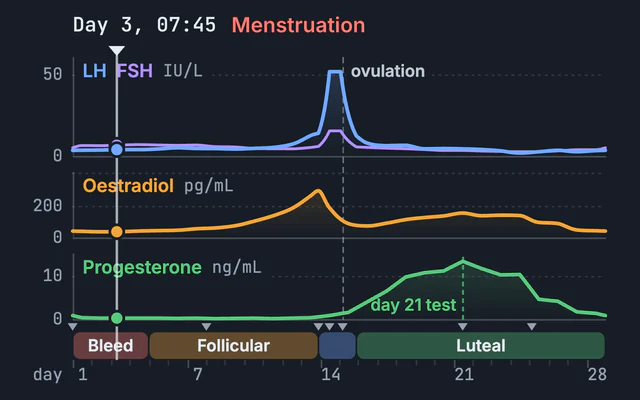
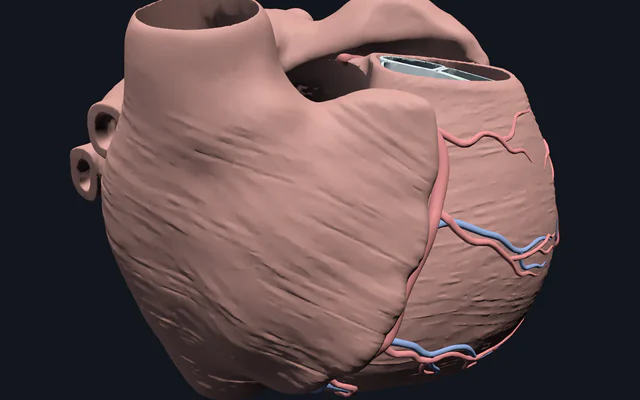
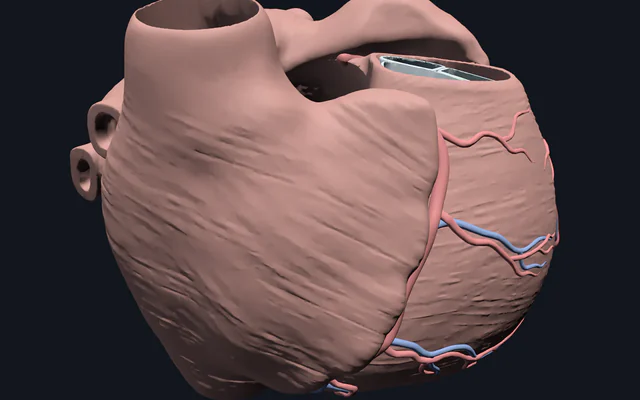
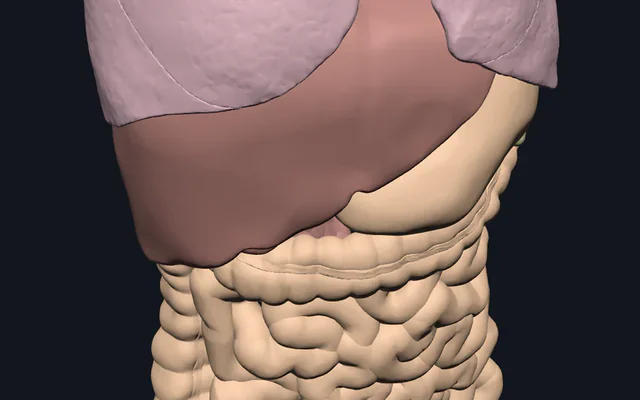
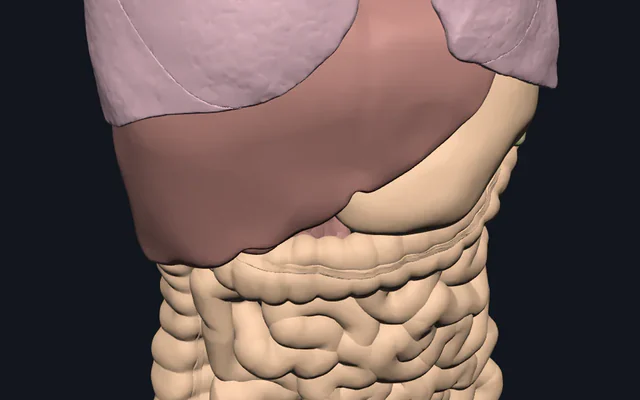
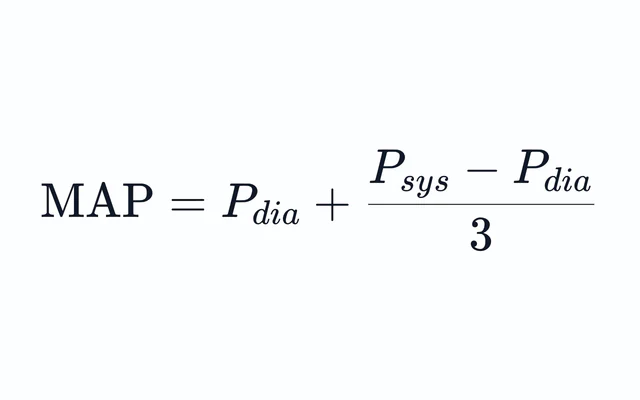
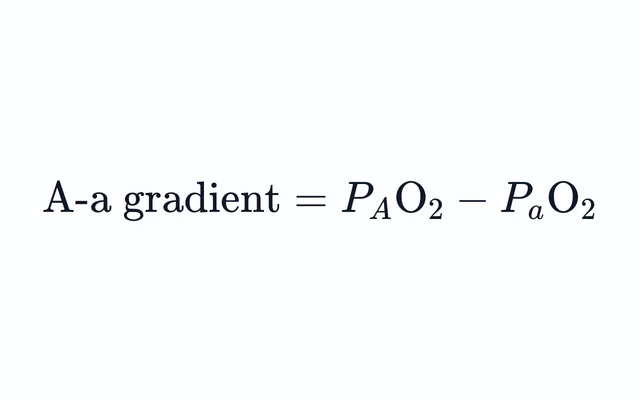
Foundational Concept 3: the four-chambered heart through one cardiac cycle, systolic and diastolic pressure, oxygen transport by hemoglobin, breathing and alveolar gas exchange, acid-base balance, the nephron’s counter-current multiplier, muscle contraction from twitch to tetanus, the female reproductive cycle, and the gross structure of the main organs.
4A: Translational motion, forces, work, energy, and equilibrium in living systems
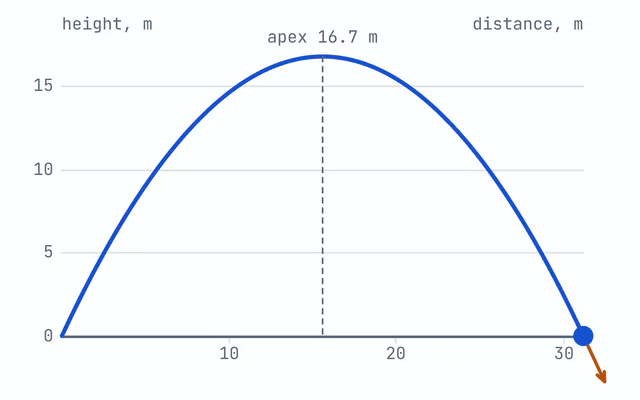
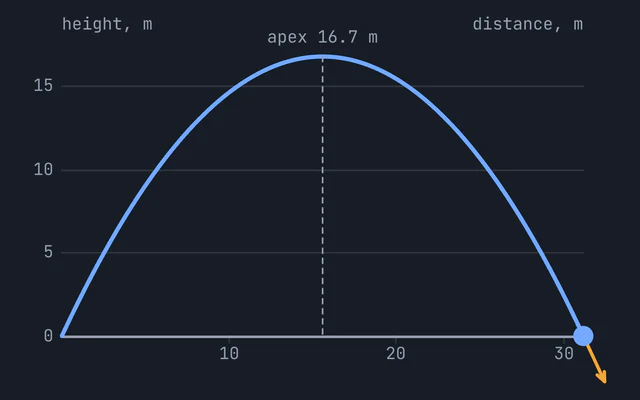
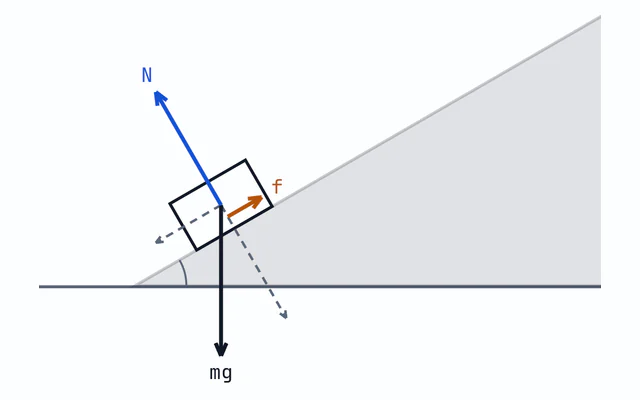
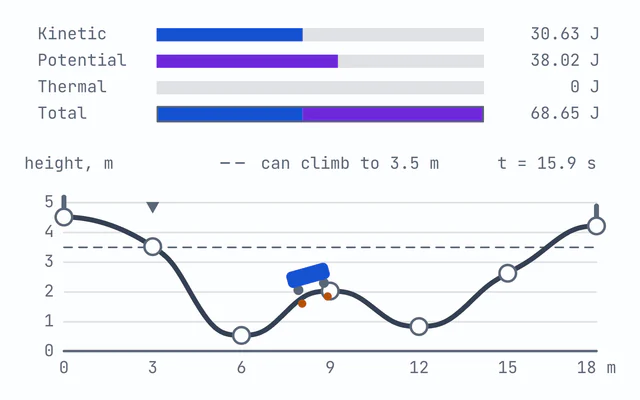
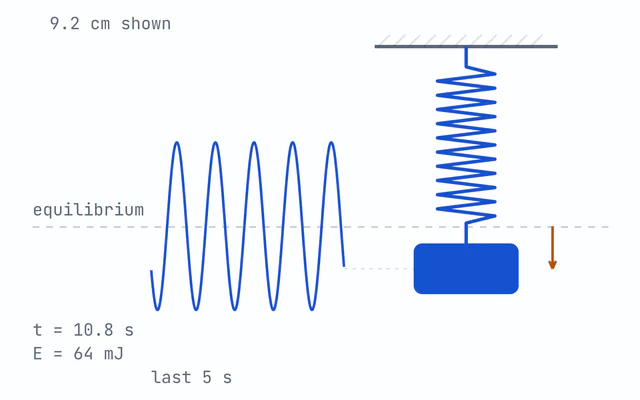
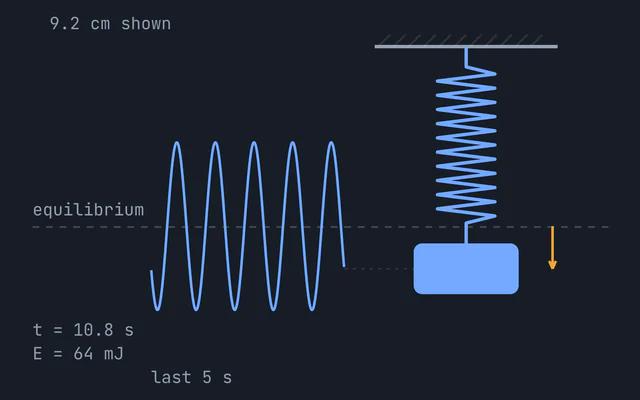
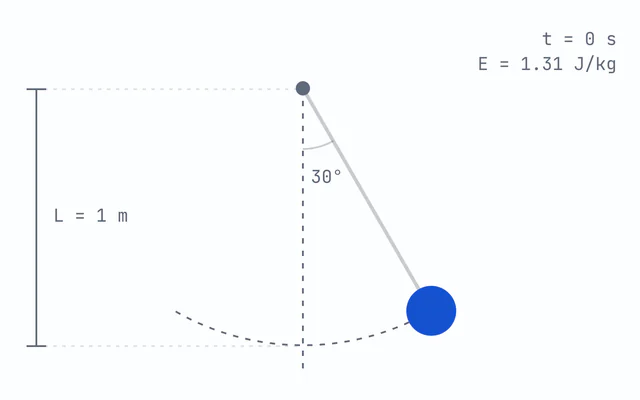
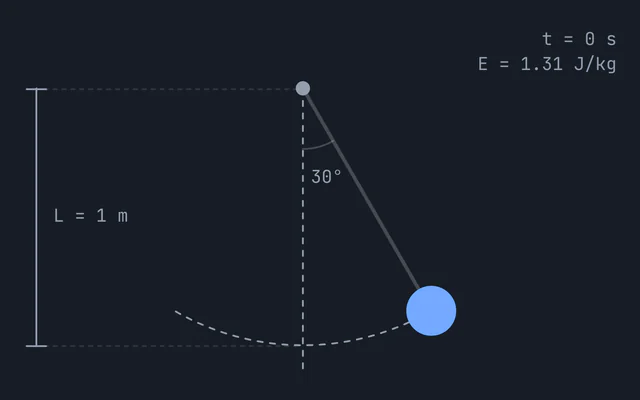
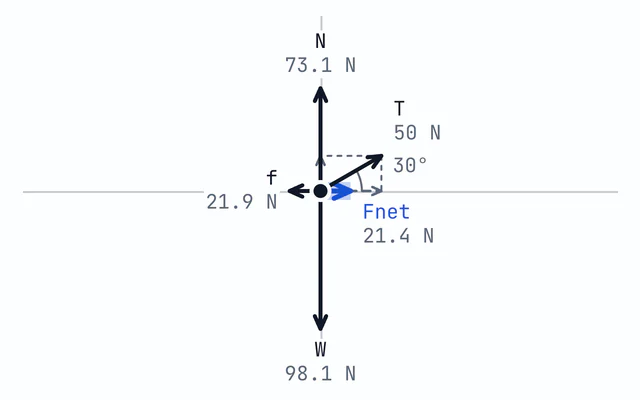
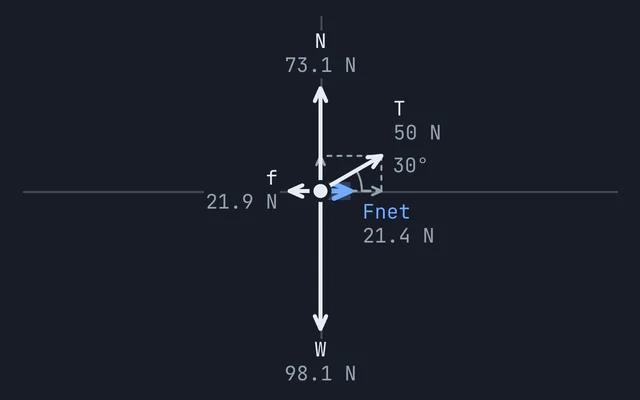
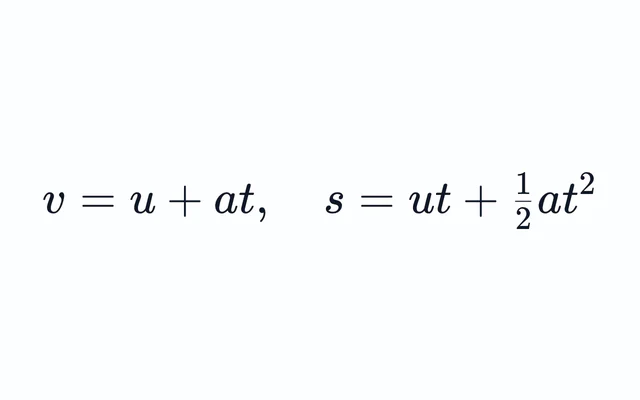
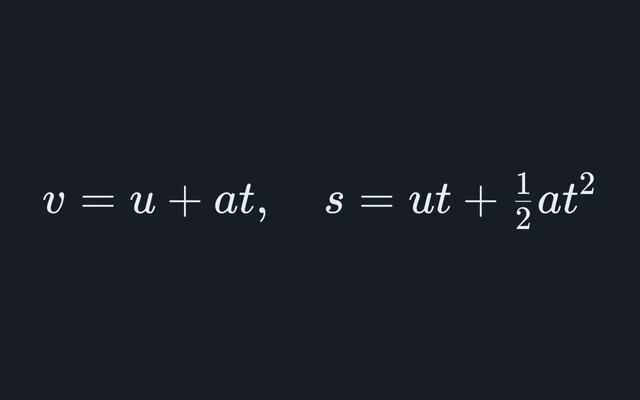
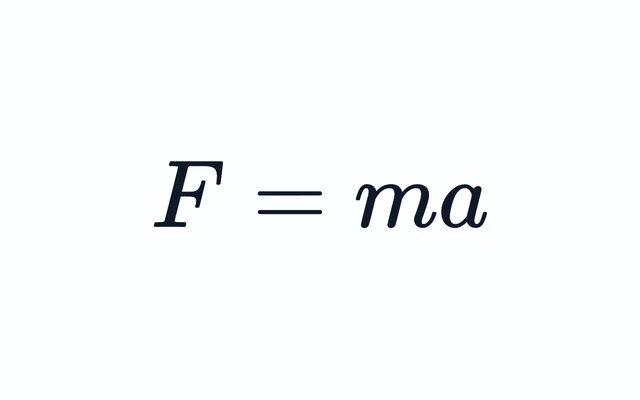
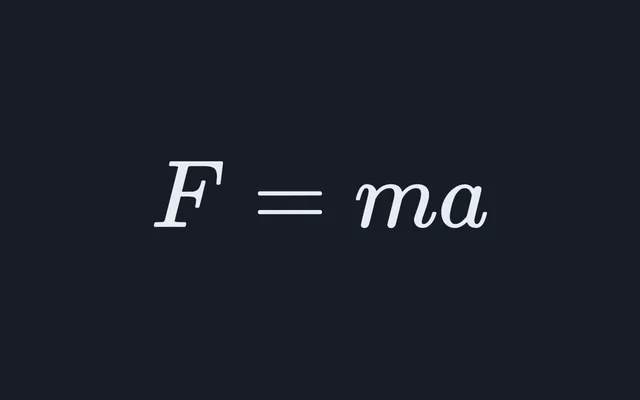
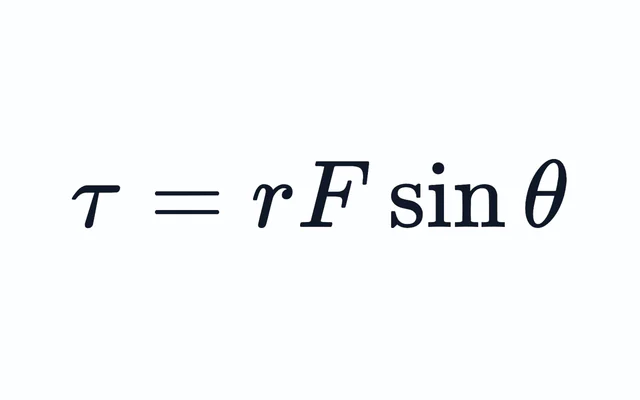
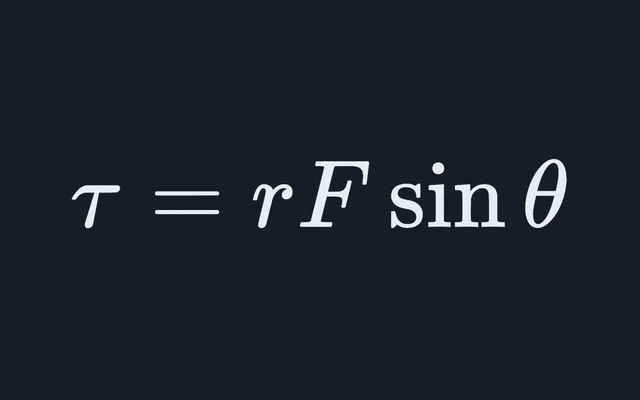
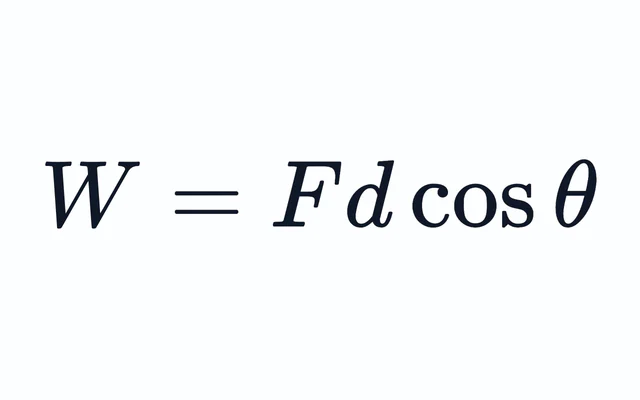
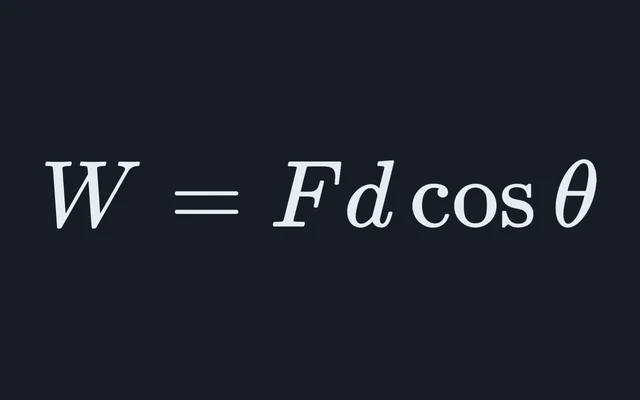
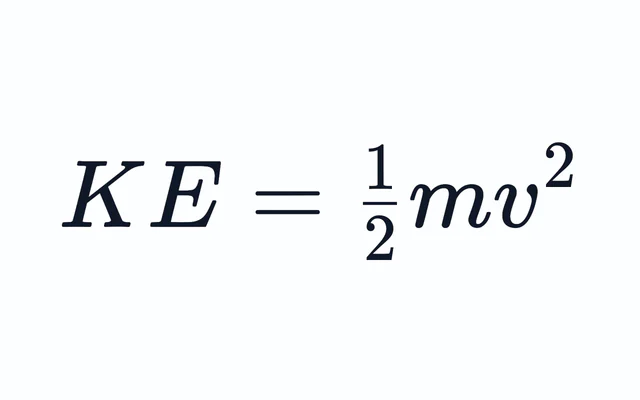
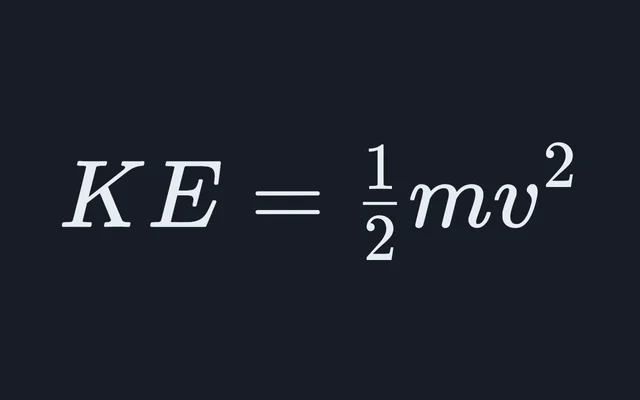
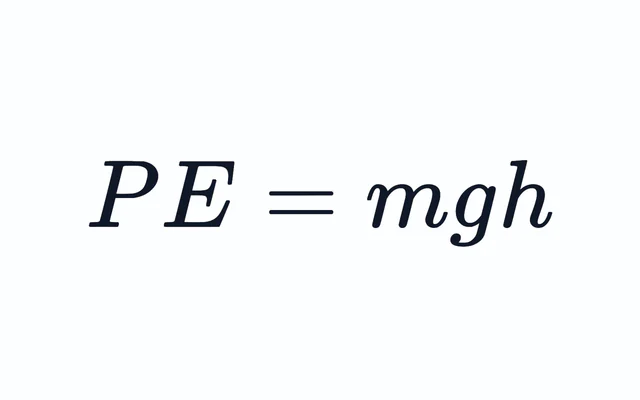
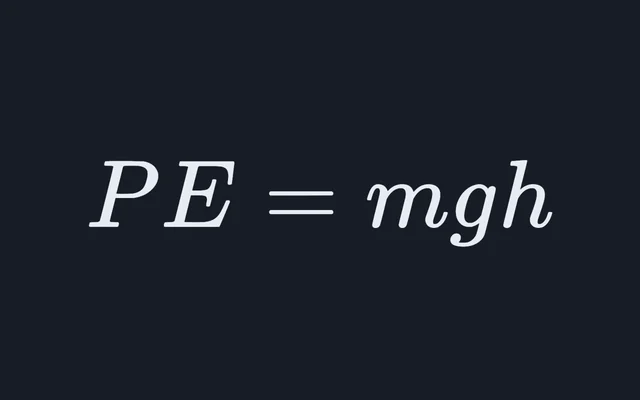
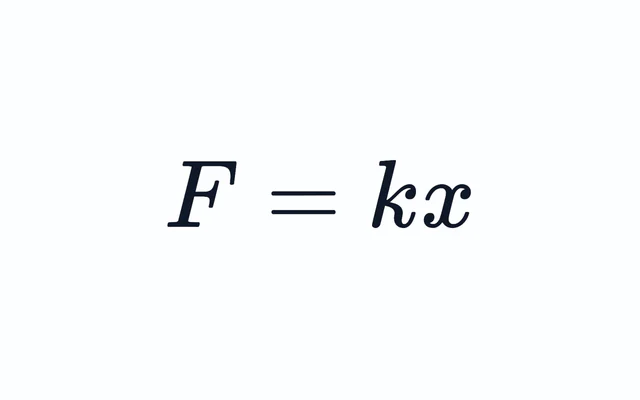
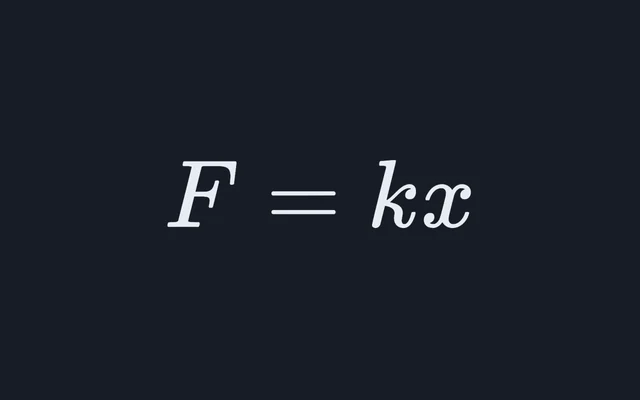
Chemical and Physical Foundations of Biological Systems, Foundational Concept 4: motion in one and two dimensions, Newton’s laws, static and kinetic friction, torque, work, power, kinetic and potential energy, and periodic motion on a spring and a pendulum.
4B: Importance of fluids for the circulation of blood, gas movement, and gas exchange
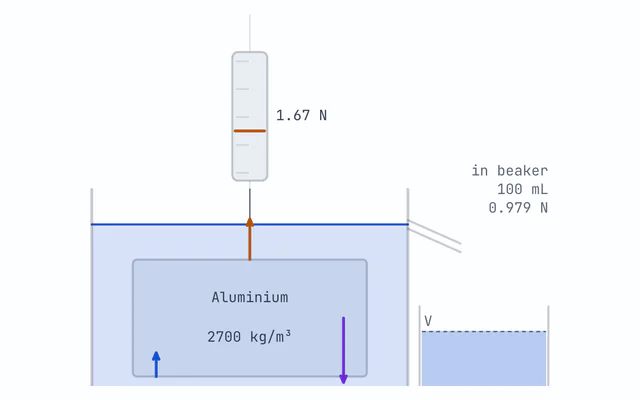
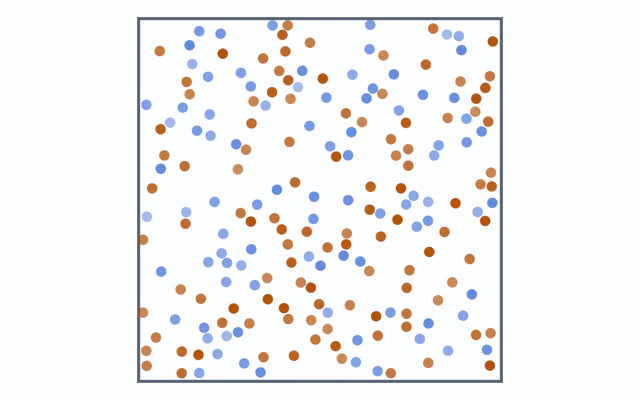
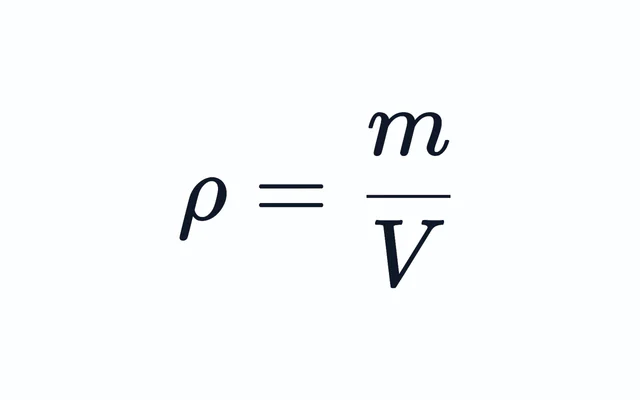
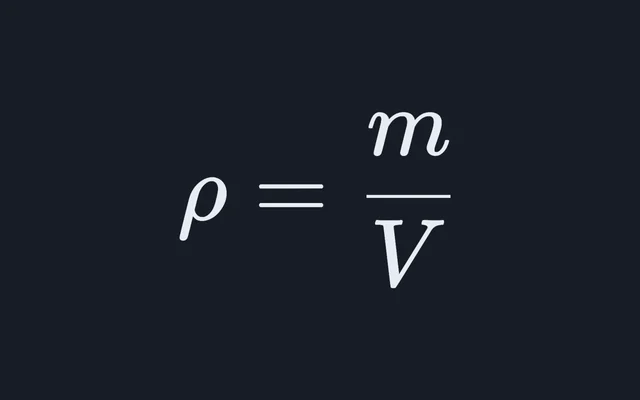
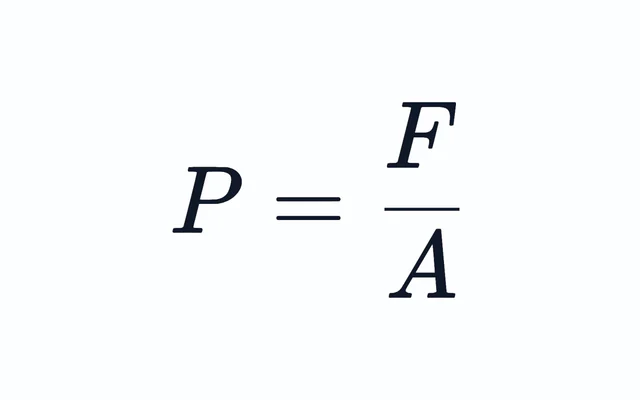
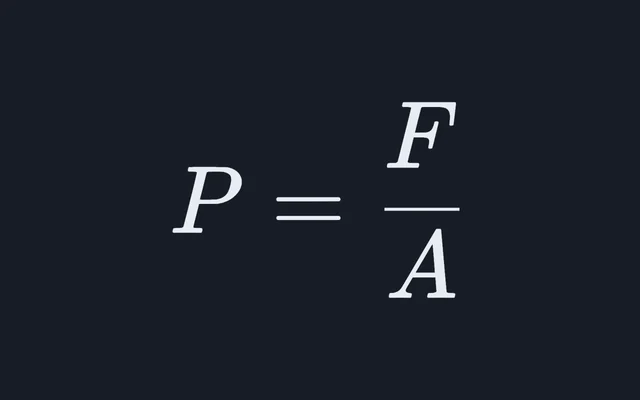
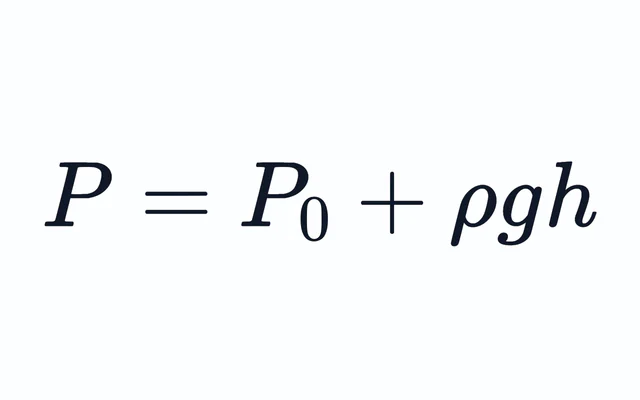
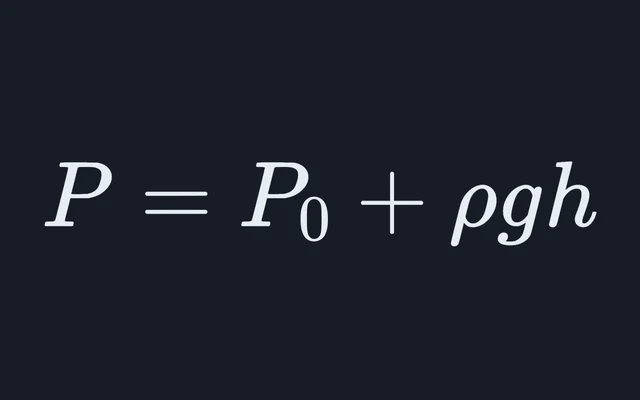
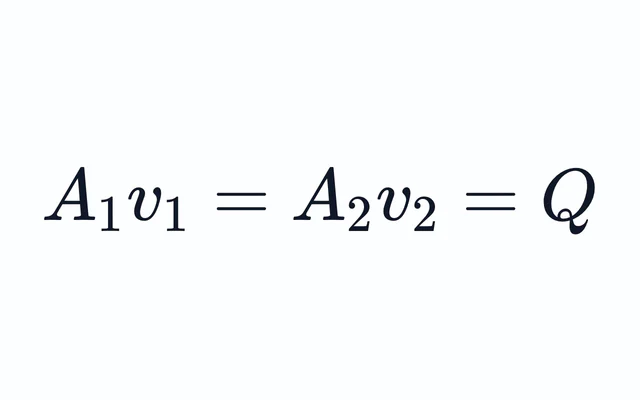
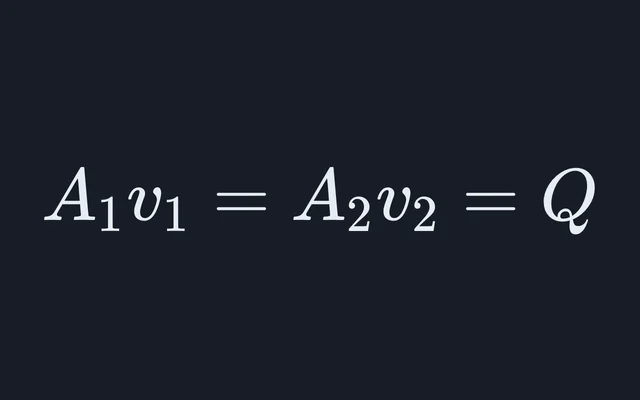
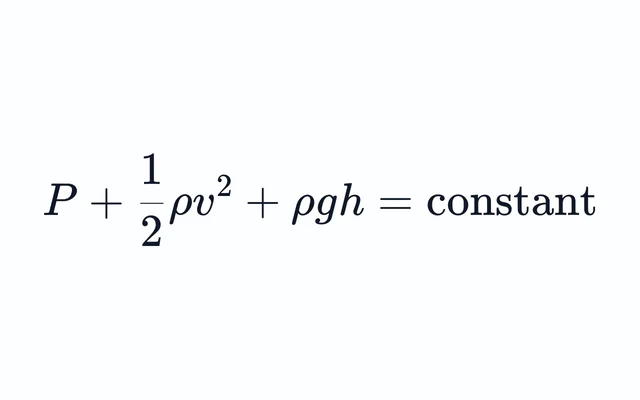
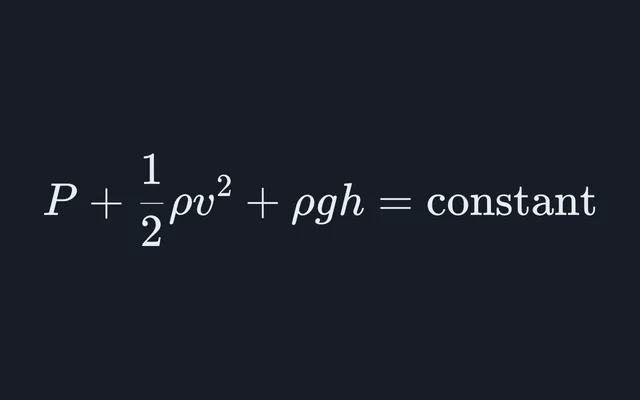
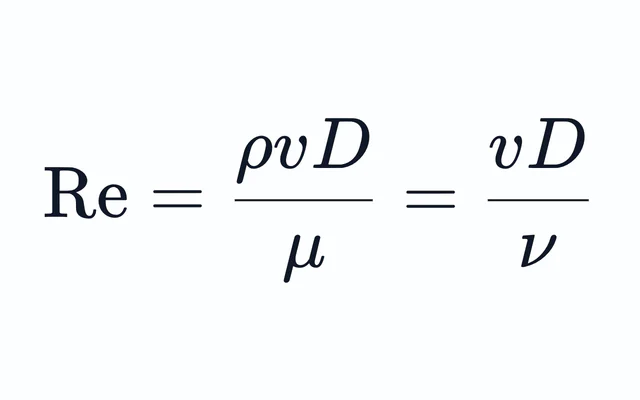
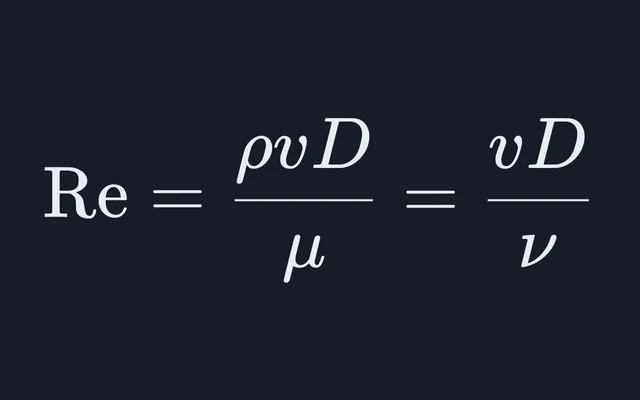
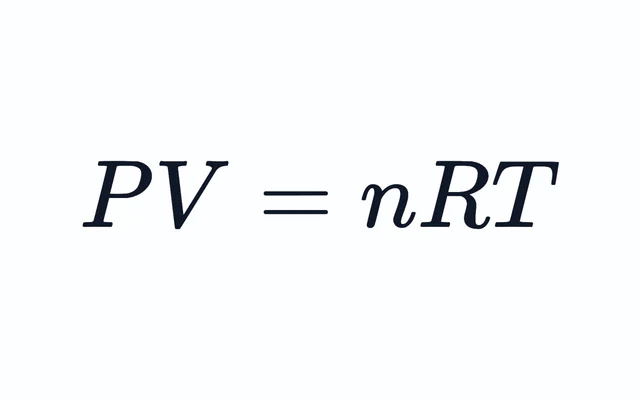
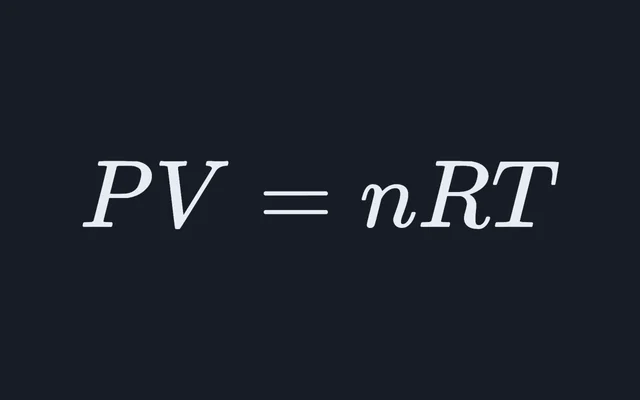
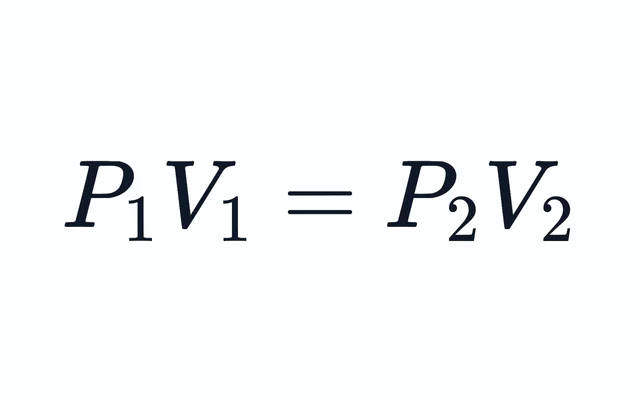
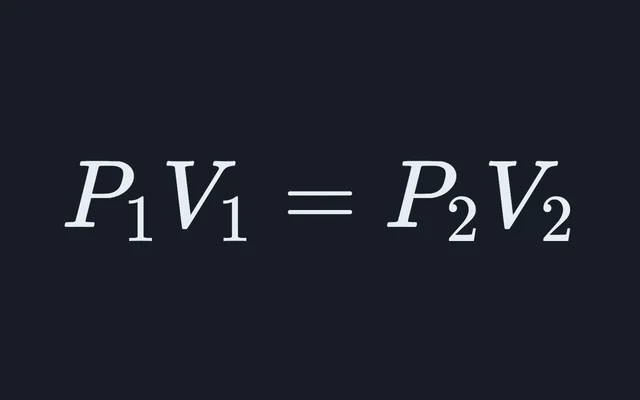
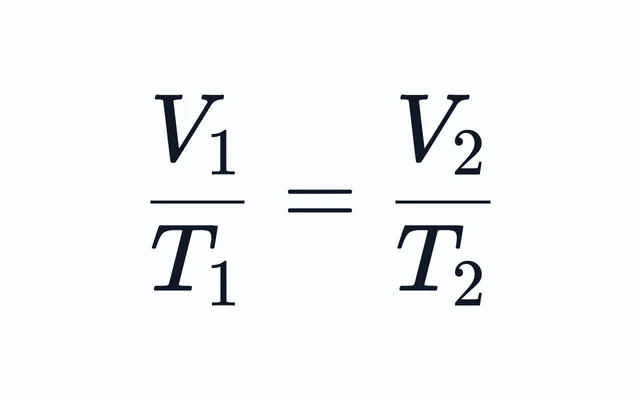
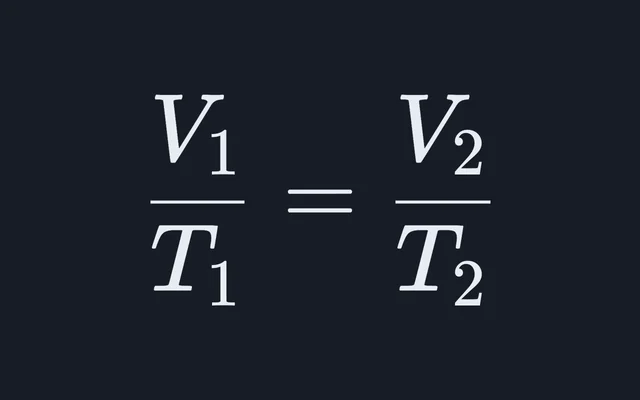
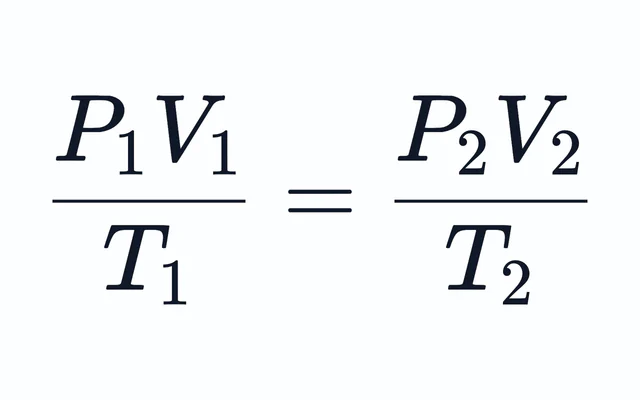
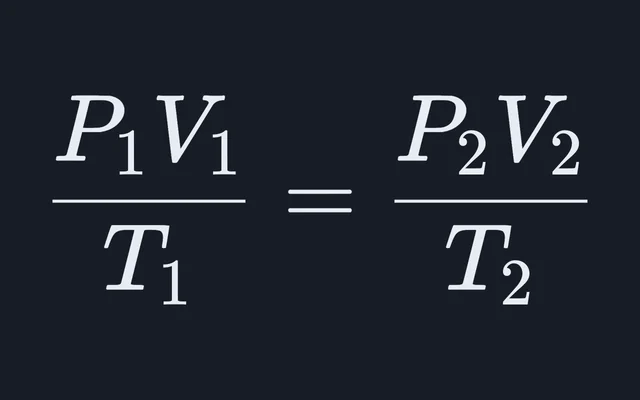
Foundational Concept 4: density, buoyancy, pressure at depth, continuity, Bernoulli’s equation and turbulence, then the gas laws and the kinetic molecular theory of gases.
4C: Electrochemistry and electrical circuits and their elements
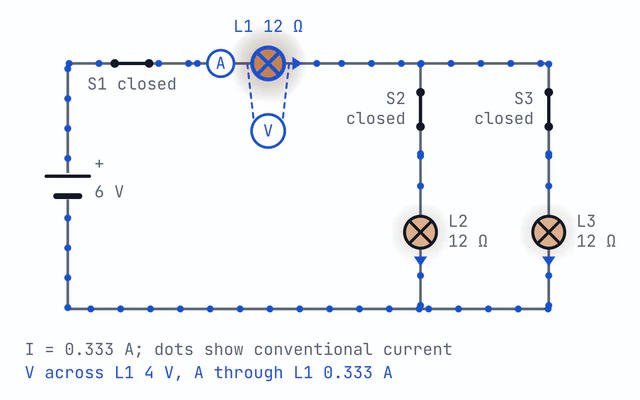
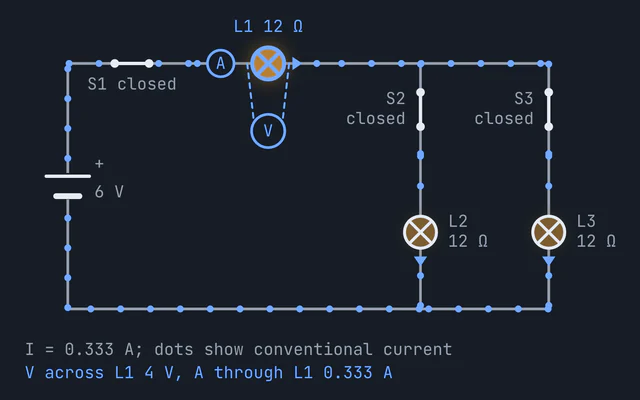
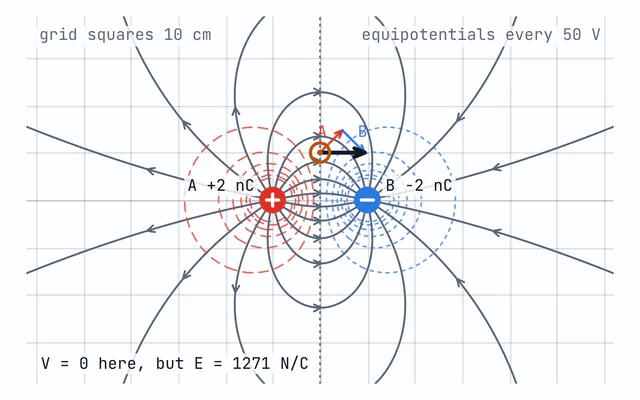
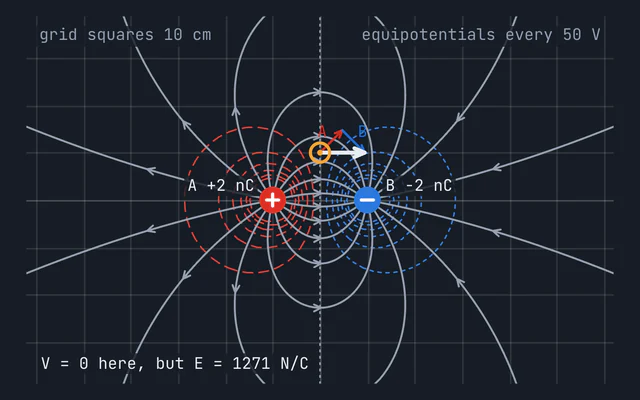
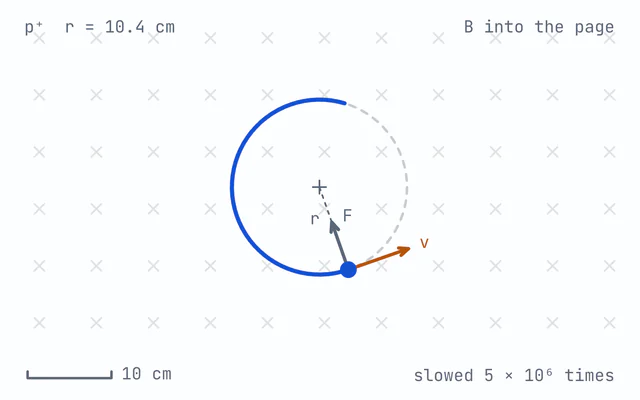
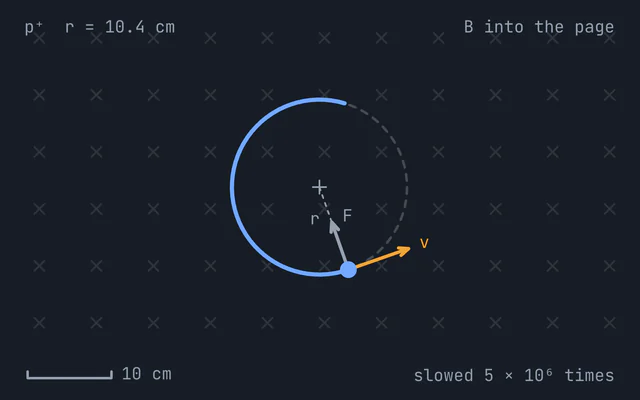
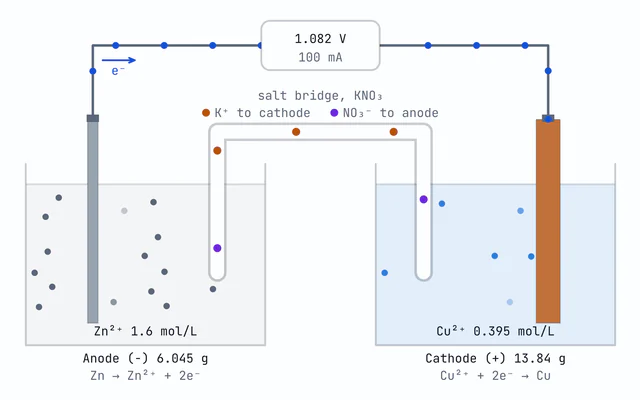
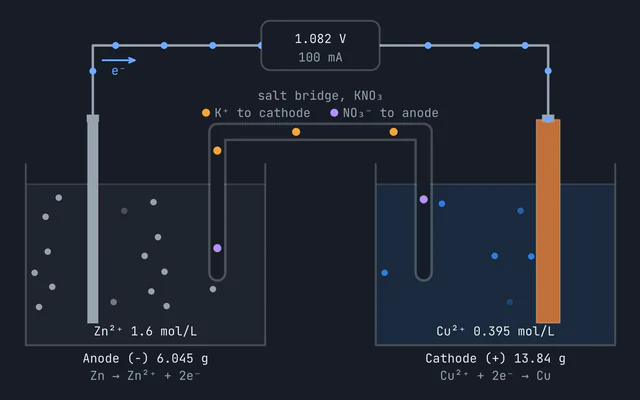
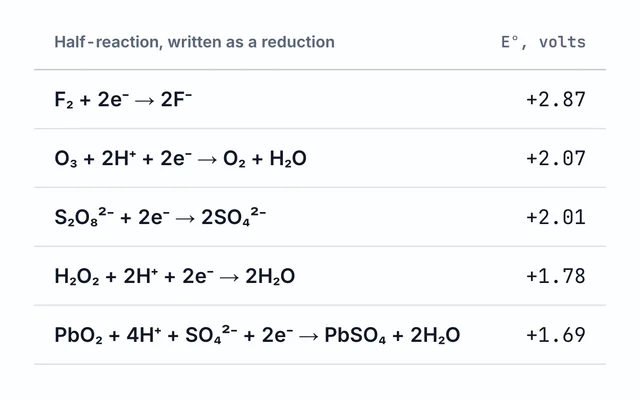
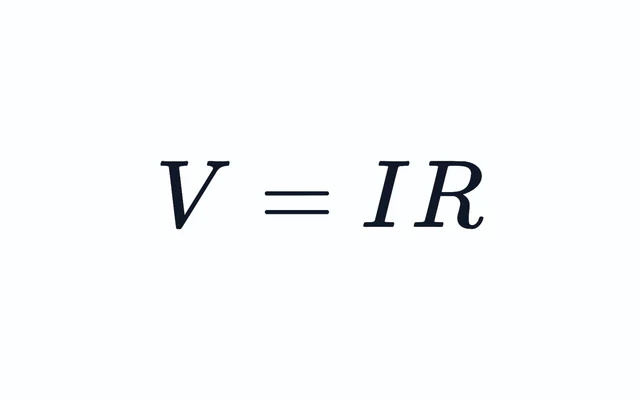
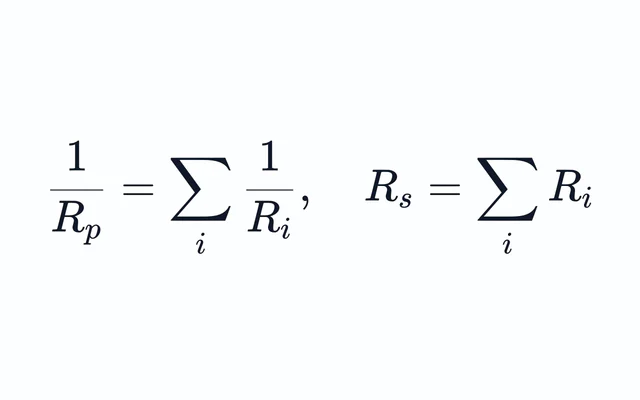
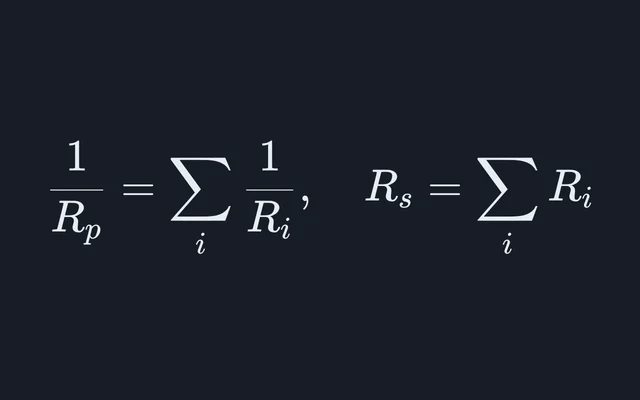
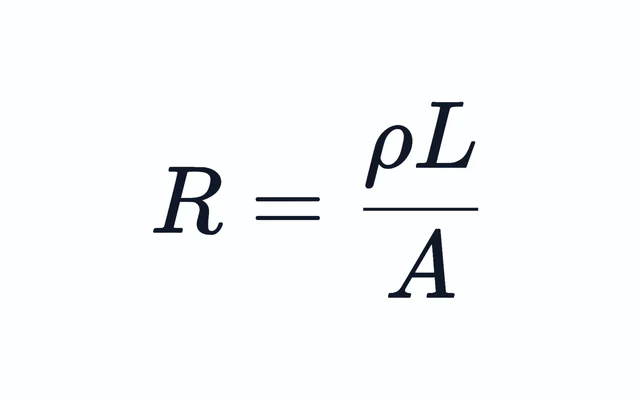
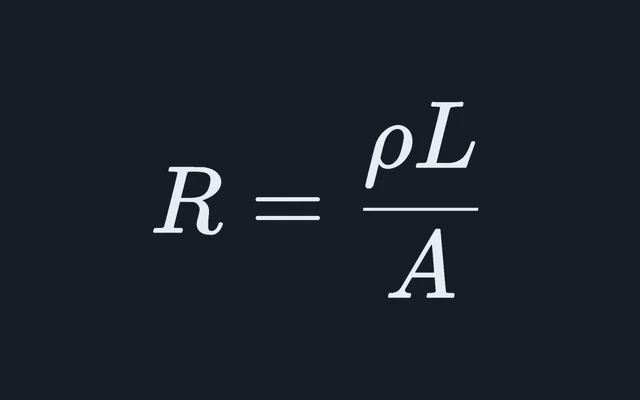
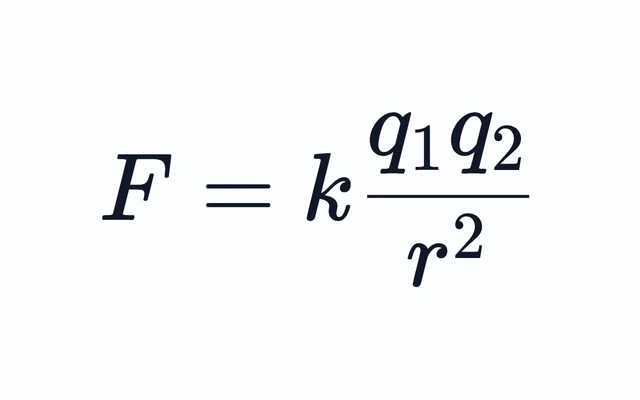
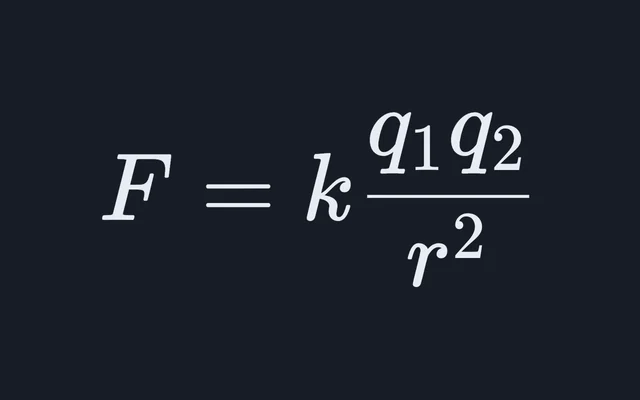
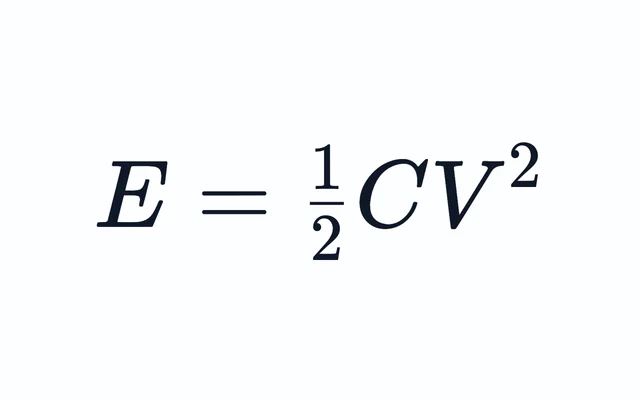
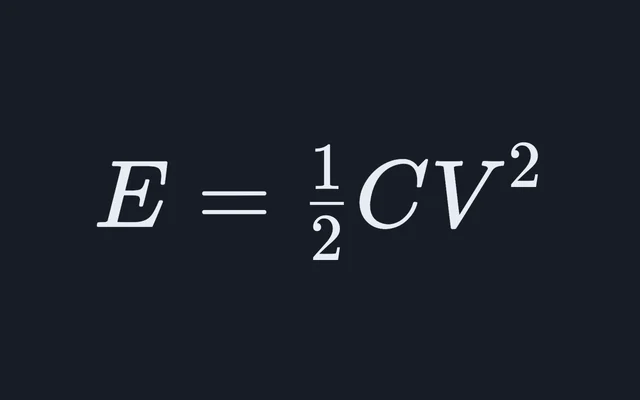
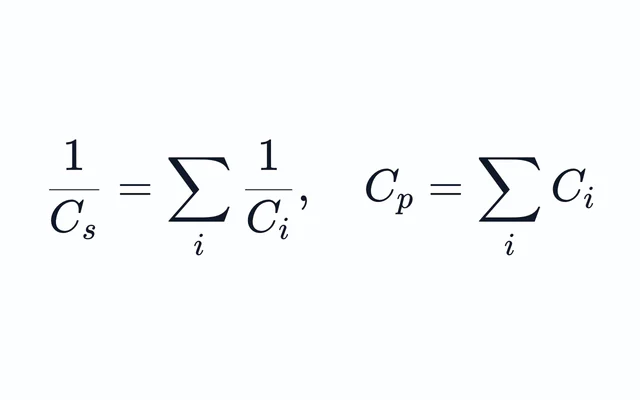
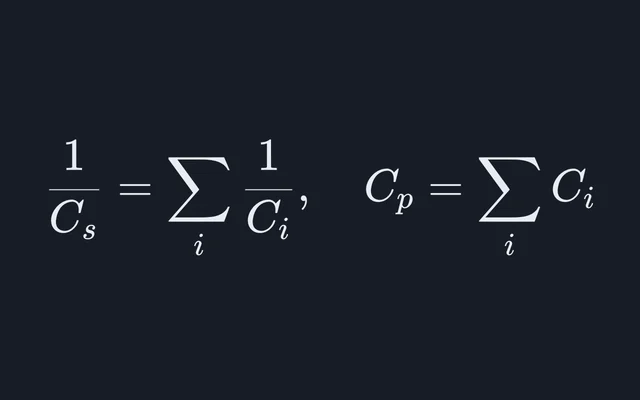
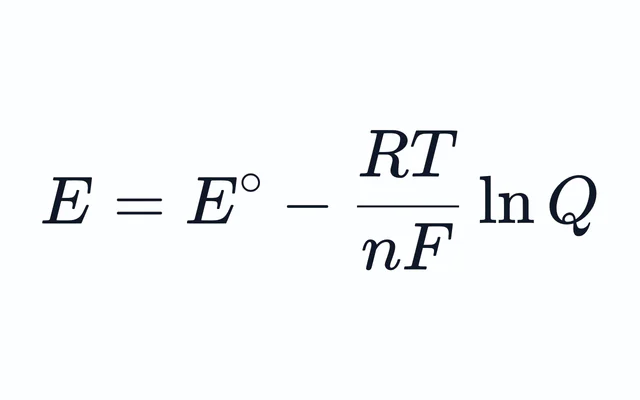
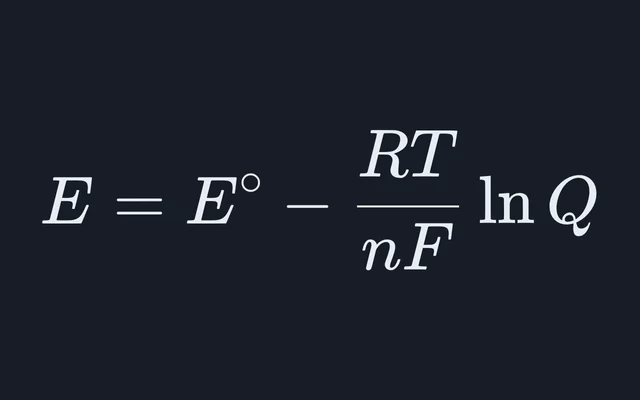
Foundational Concept 4: Coulomb’s law and electric fields, Ohm’s law, resistivity and resistors in series and parallel, capacitor energy and capacitor networks, the Lorentz force on a moving charge, and galvanic cells built from reduction potentials and the Nernst equation.
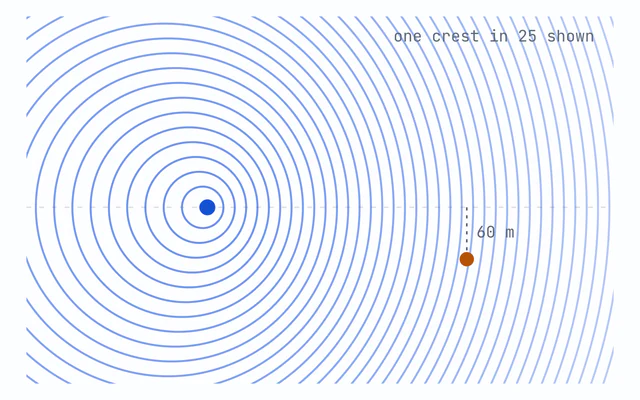
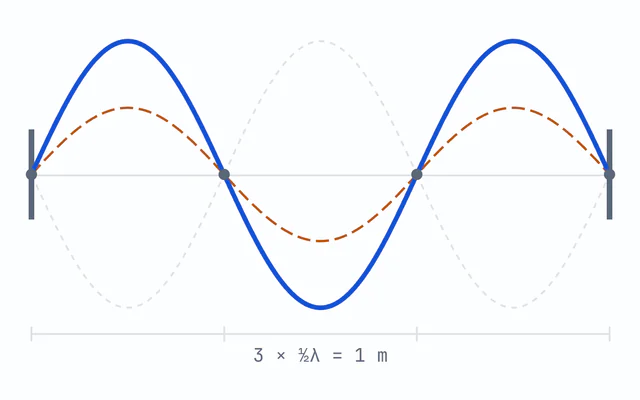
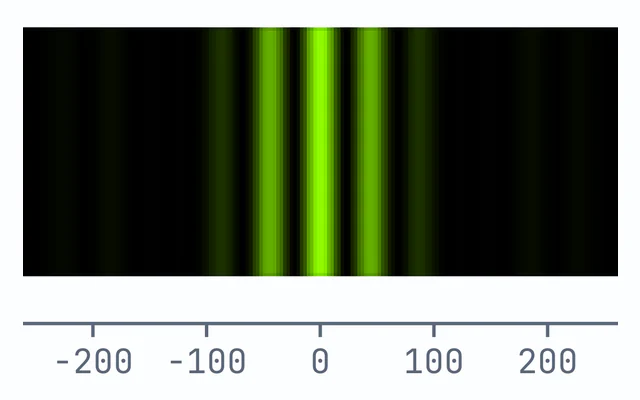
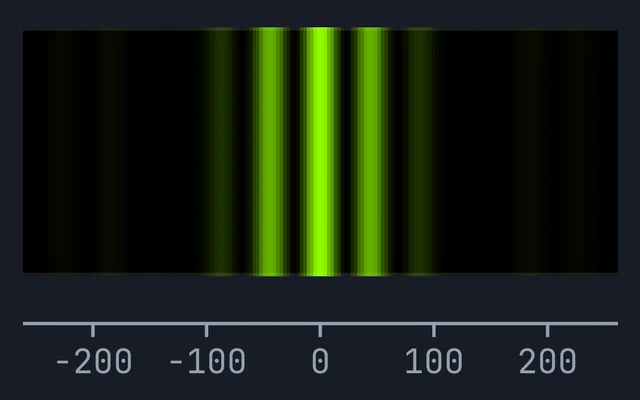
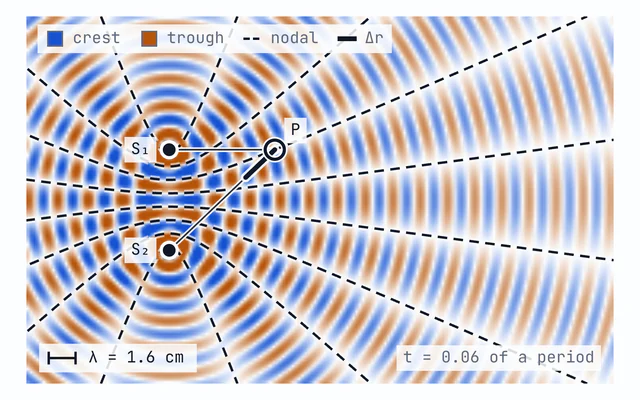
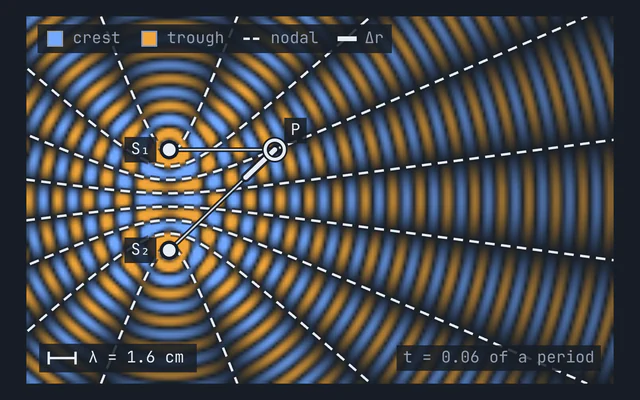
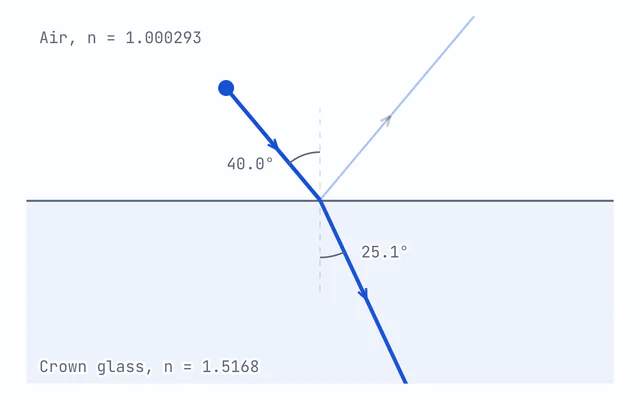
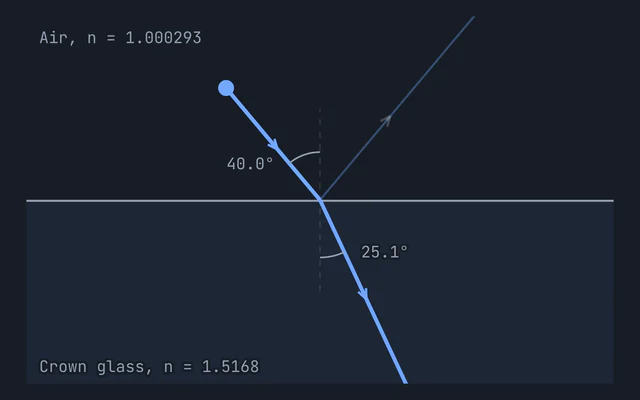
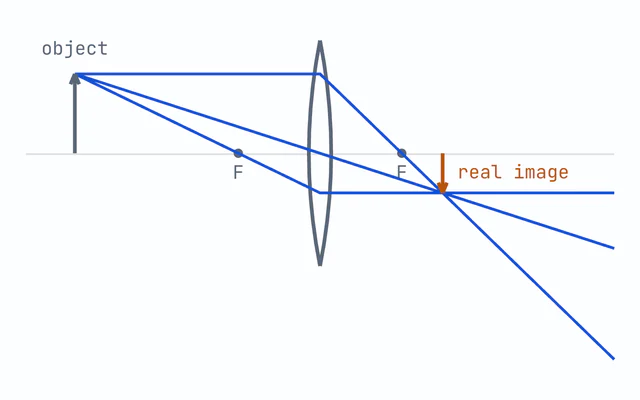
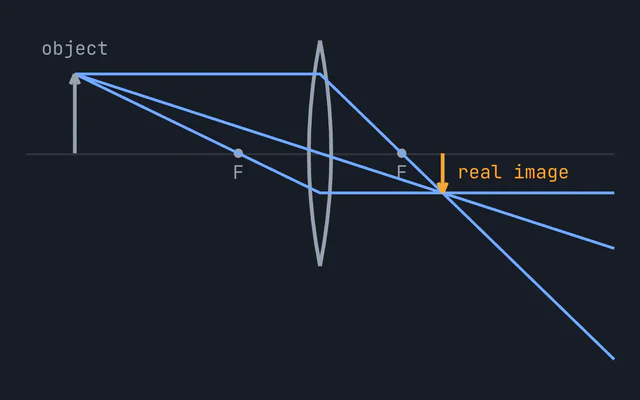
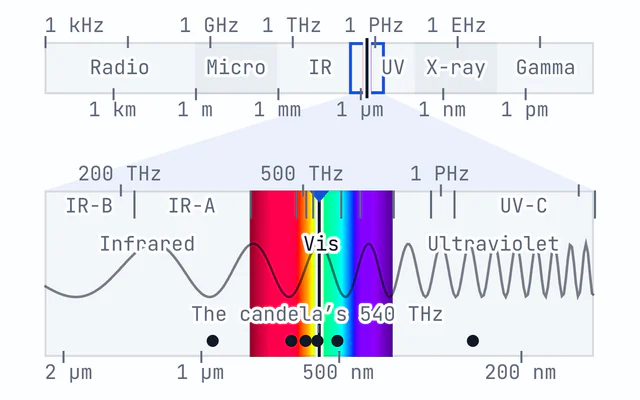
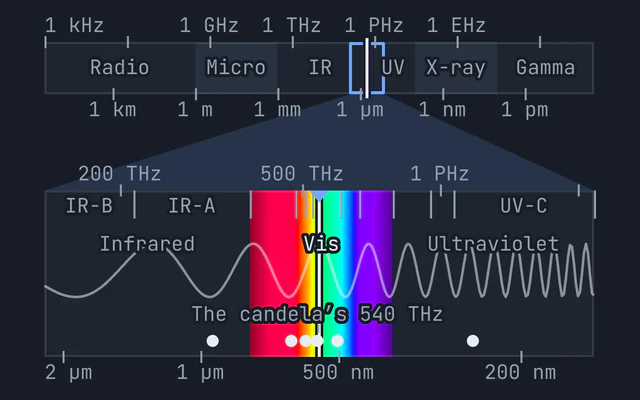
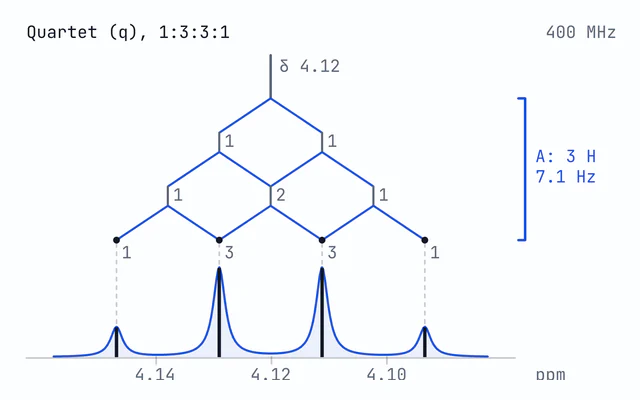
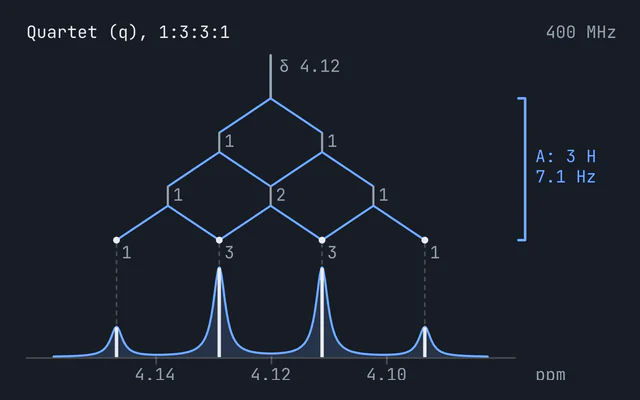
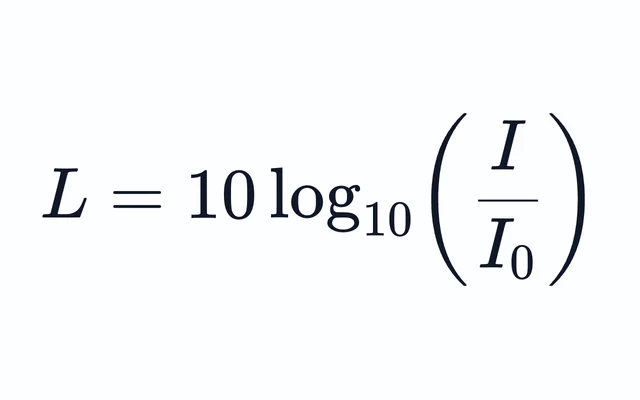
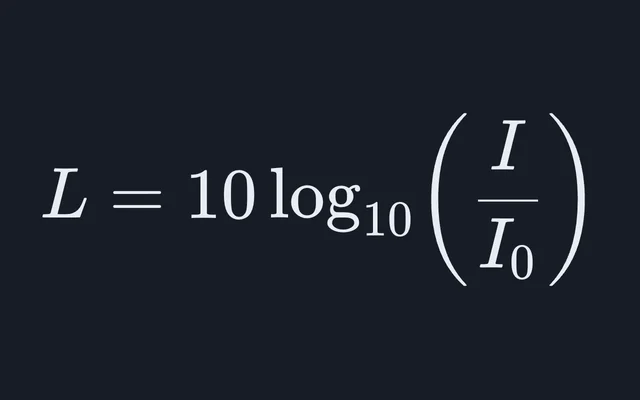
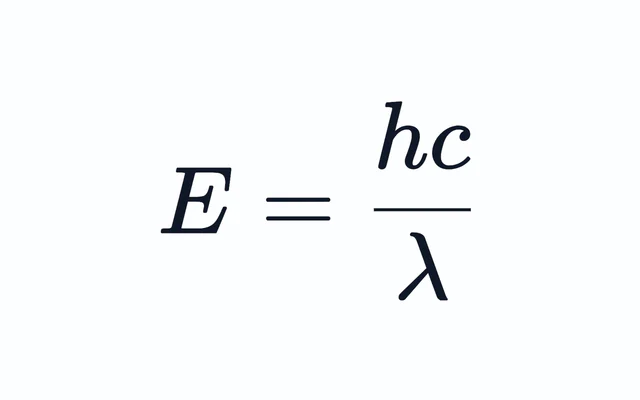
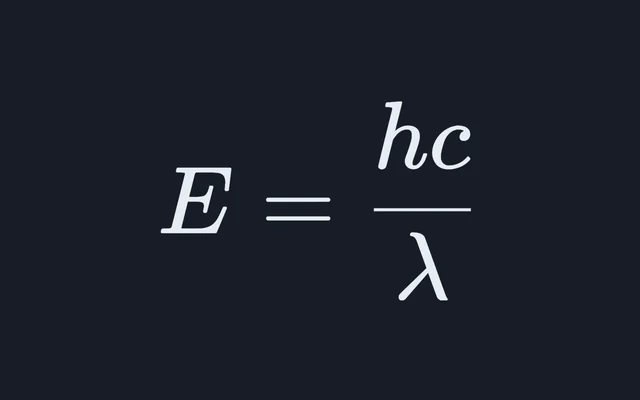
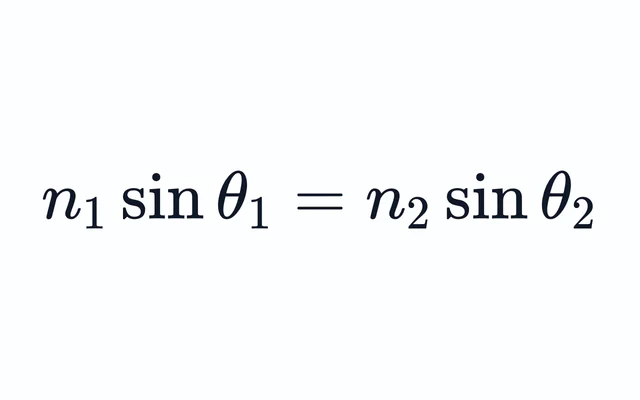
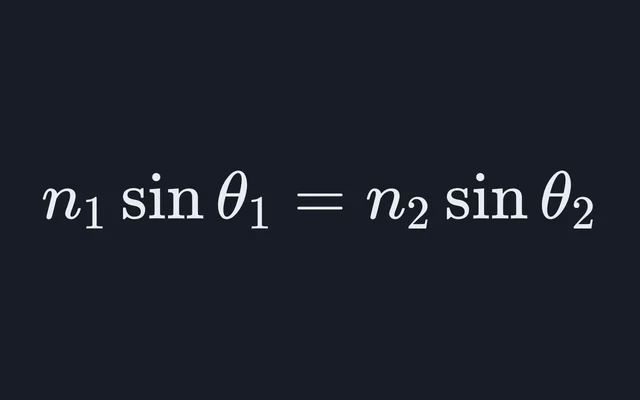
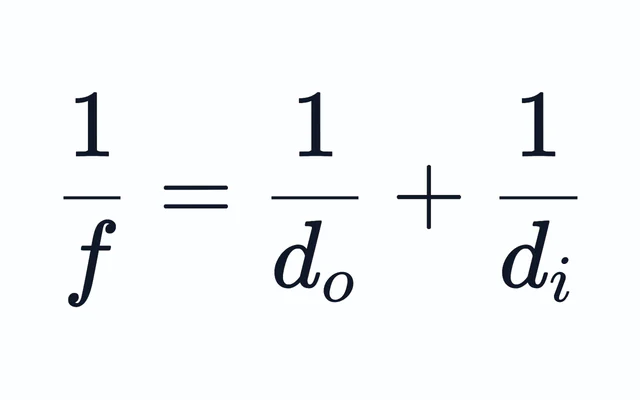
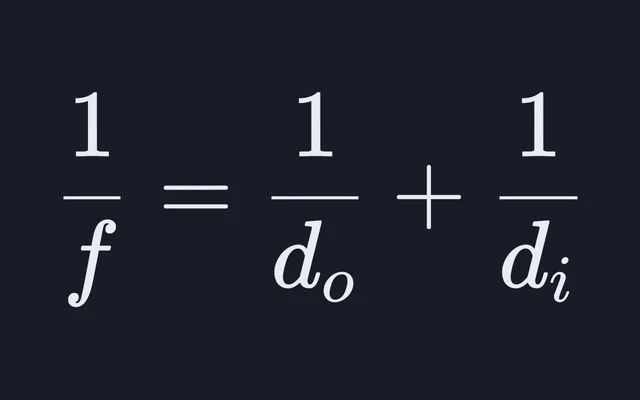
Foundational Concept 4: sound intensity in decibels, the Doppler effect and resonance on a string; interference, the electromagnetic spectrum and photon energy; refraction, dispersion, total internal reflection and thin lenses; and spin-spin splitting in NMR.
4E: Atoms, nuclear decay, electronic structure, and atomic chemical behavior
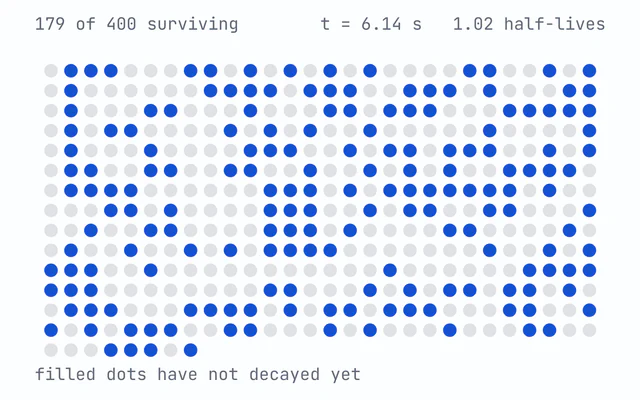
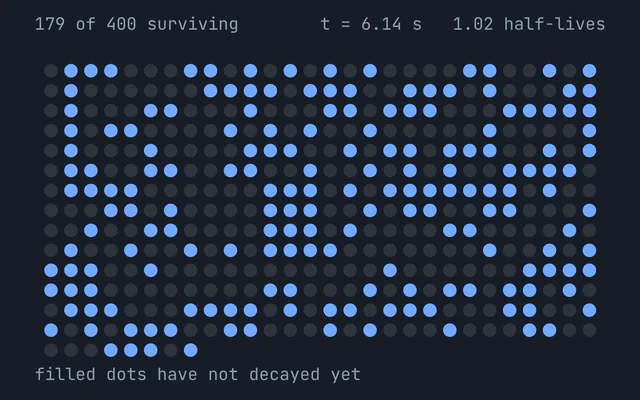
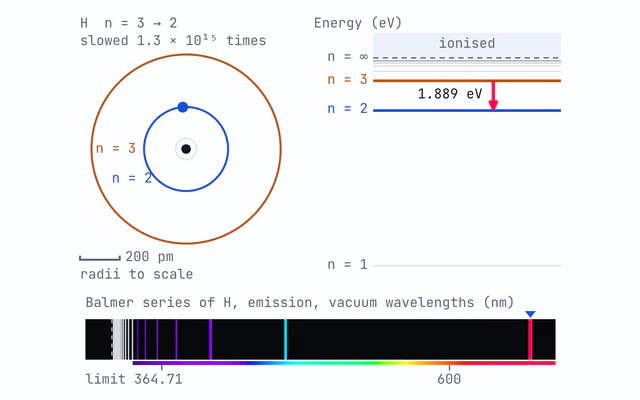
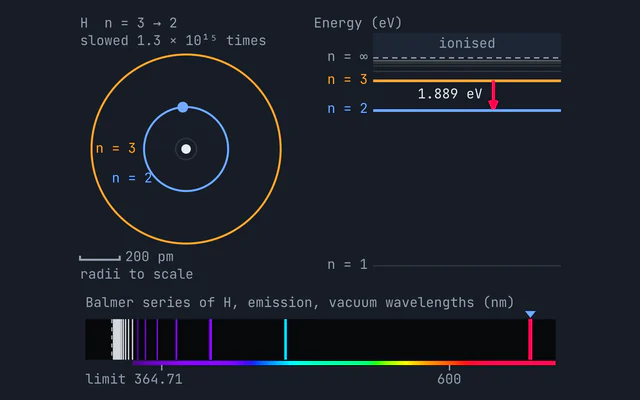
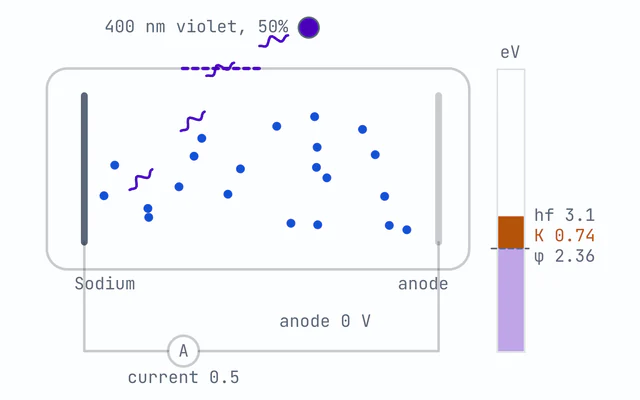
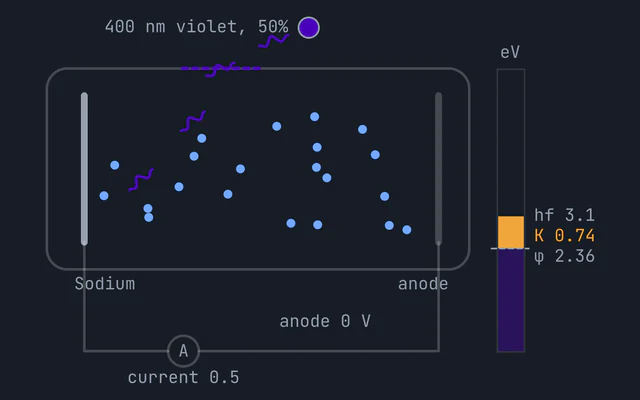
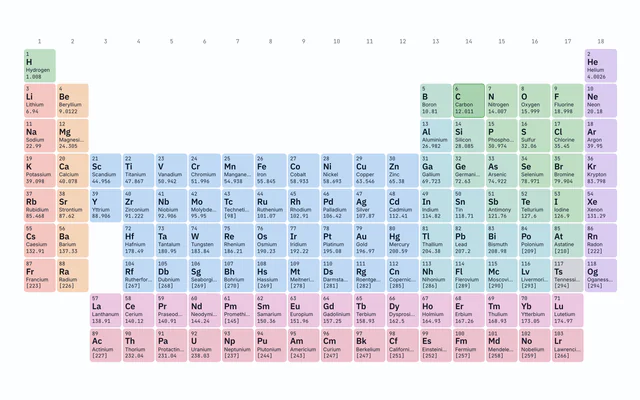
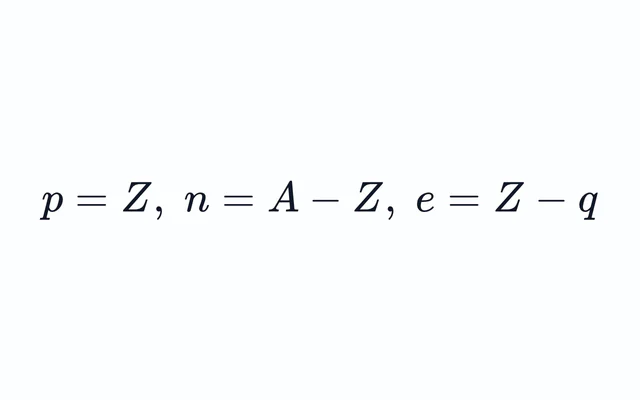
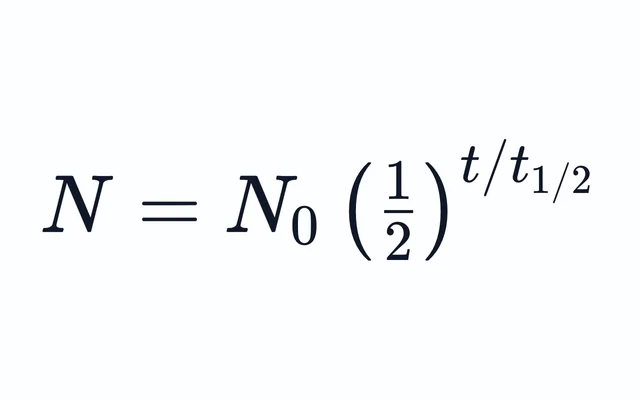
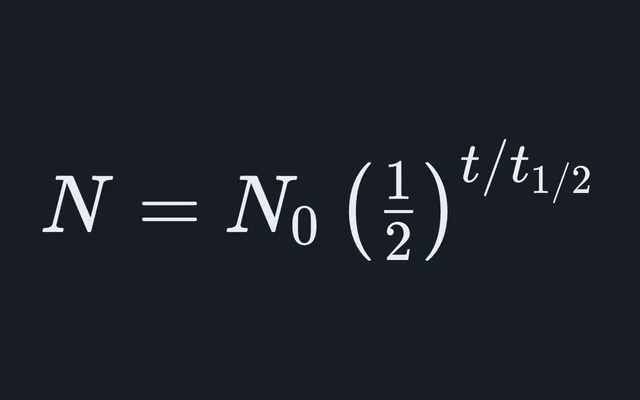
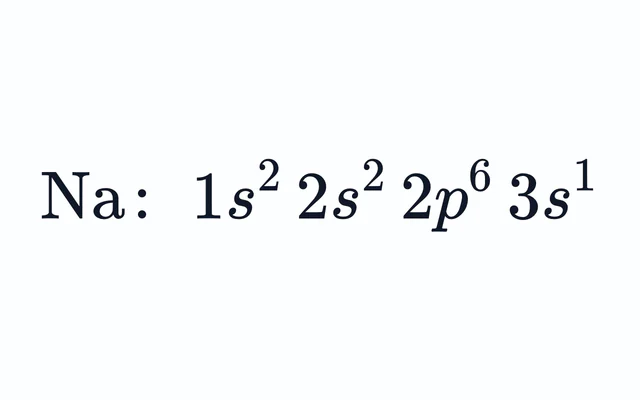
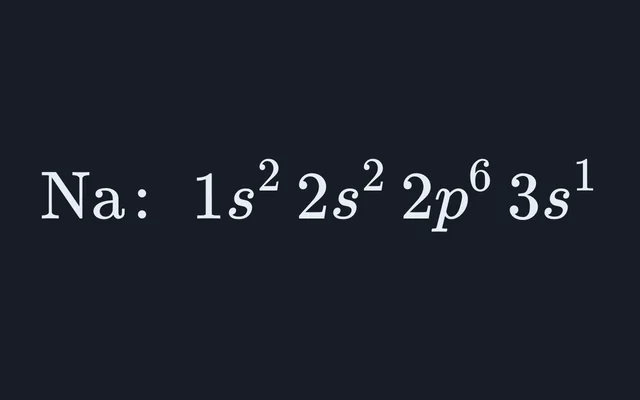
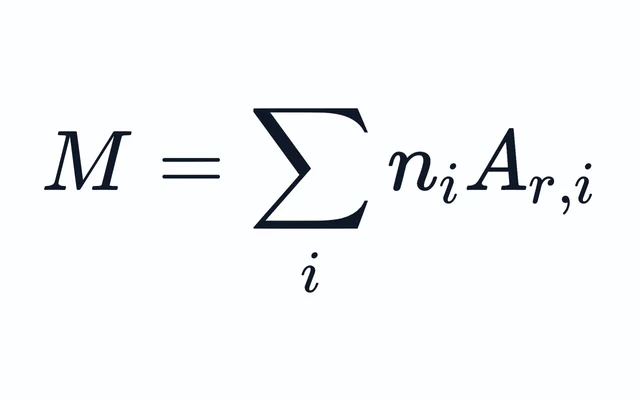
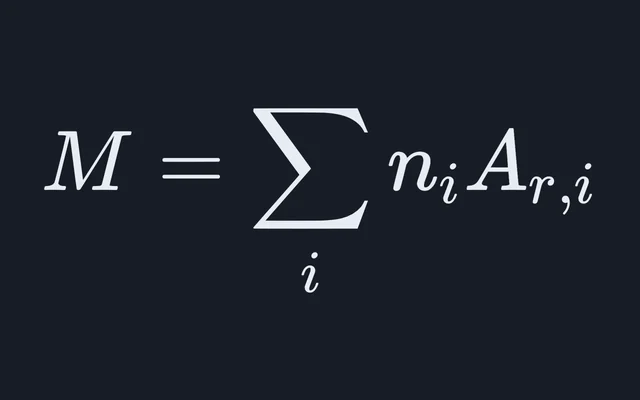
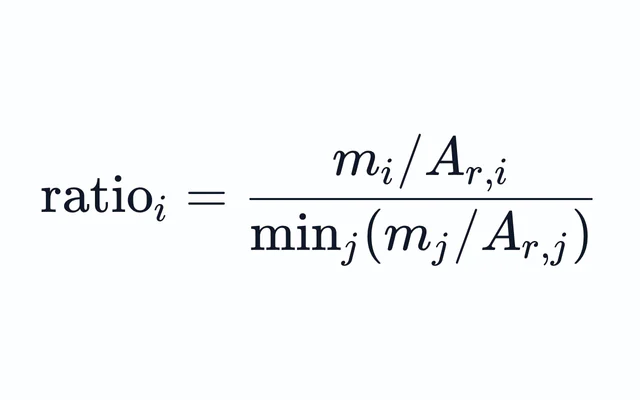
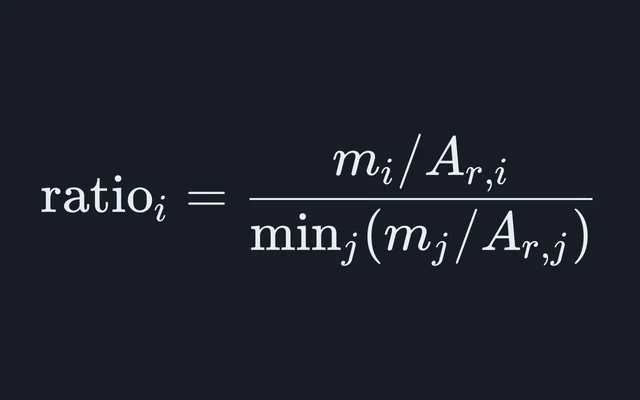
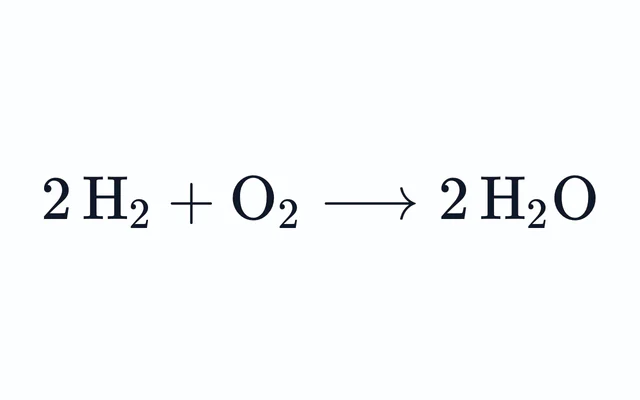
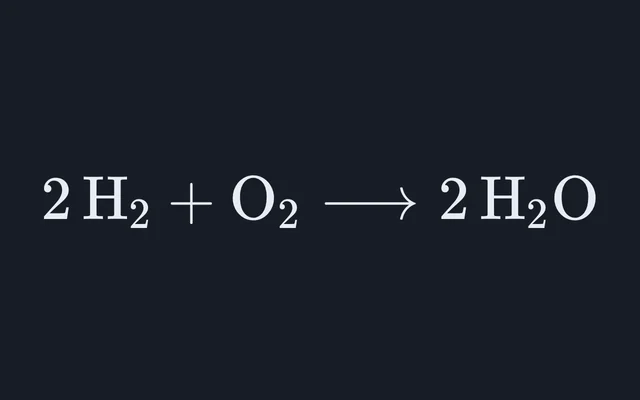
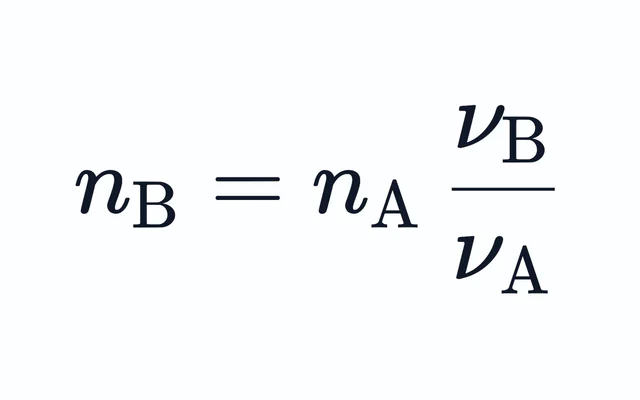
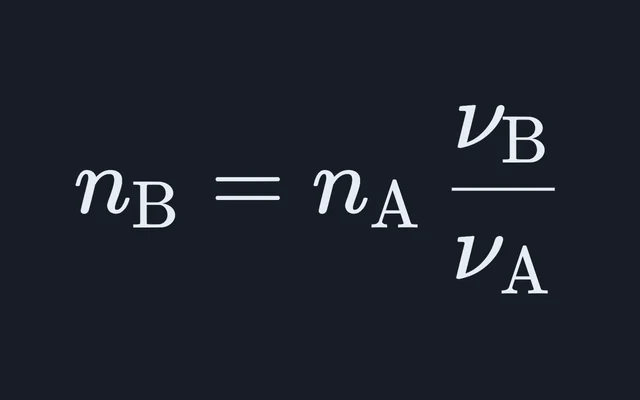
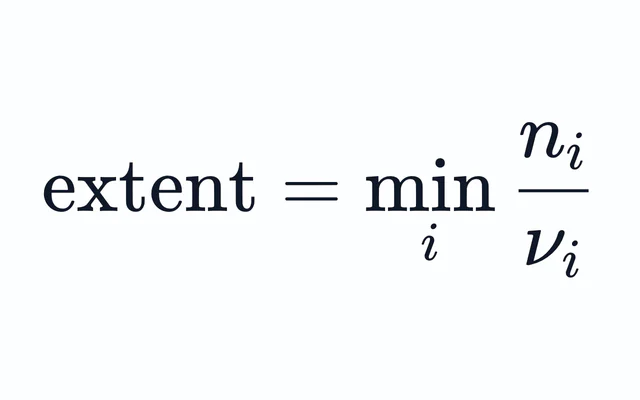
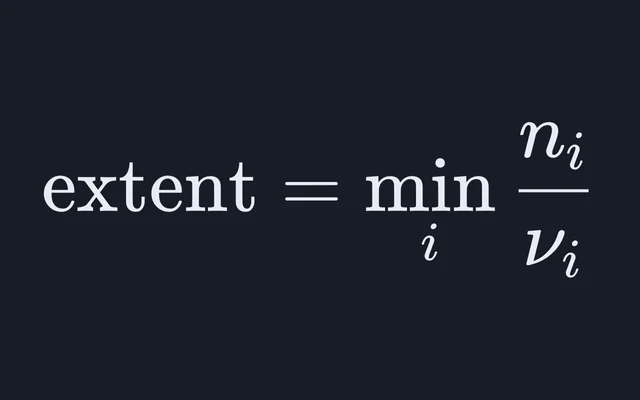
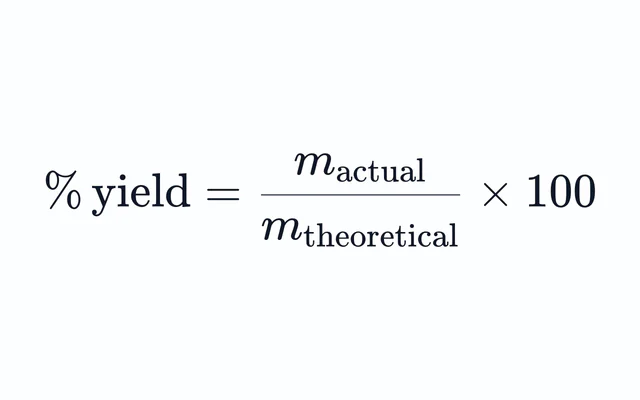
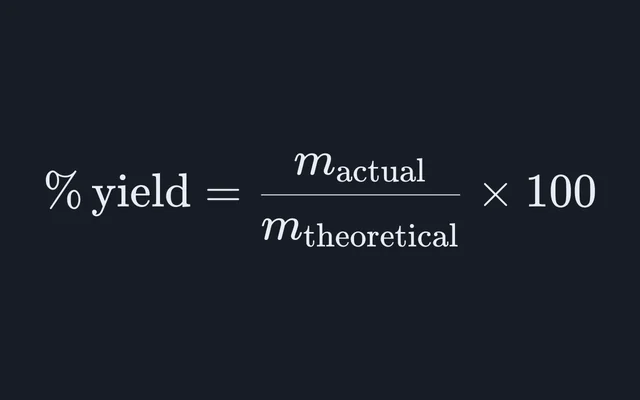
Foundational Concept 4: protons, neutrons and isotopes, half-life and radioactive decay, the Bohr atom and line spectra, orbitals, electron configurations and the photoelectric effect, plus the stoichiometry the outline files here, from molecular weight and empirical formulas to balanced equations, limiting reactants and theoretical yield.
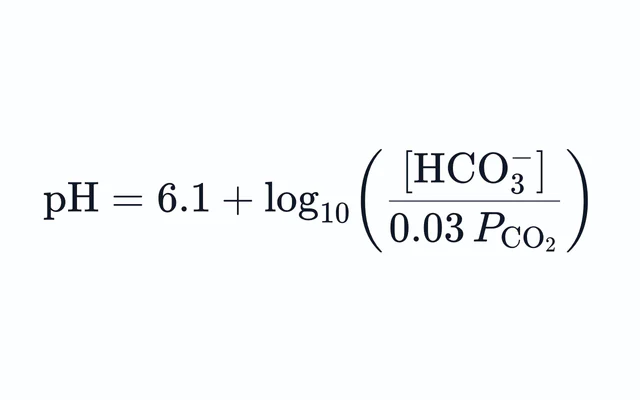
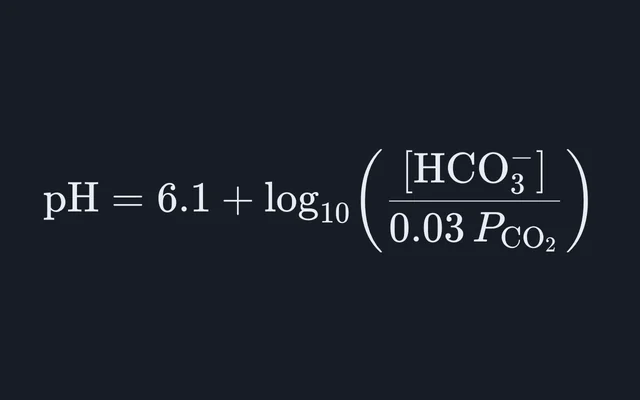
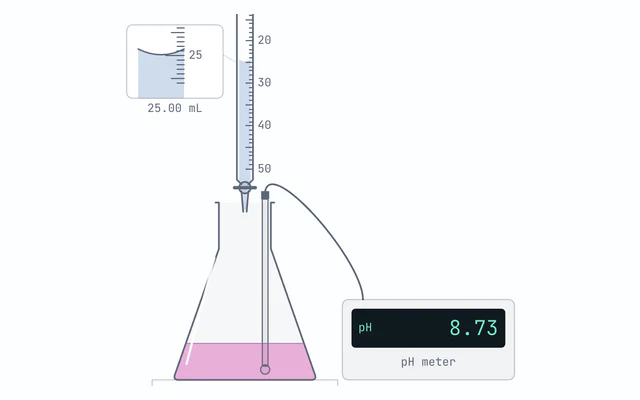
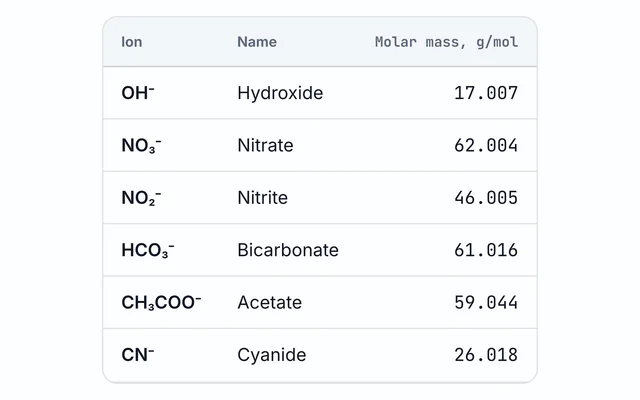
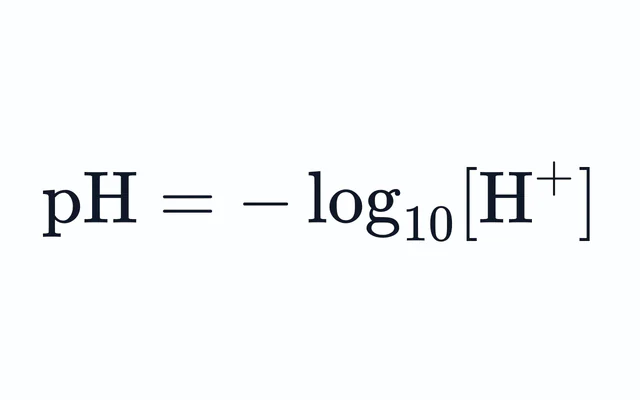
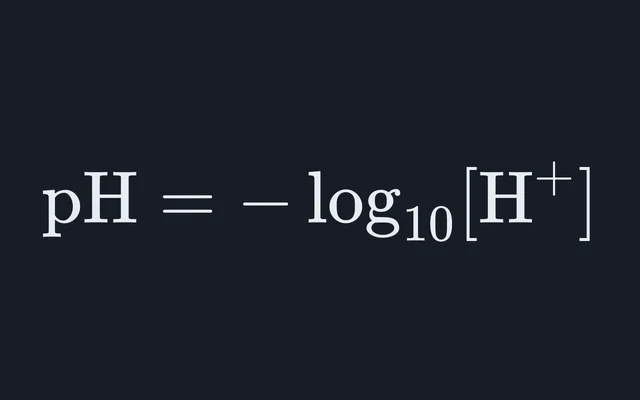
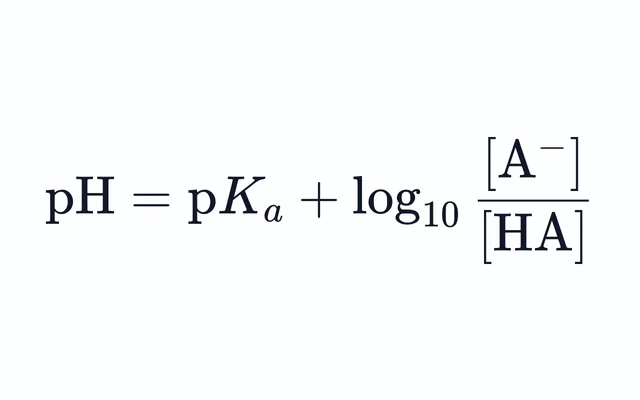
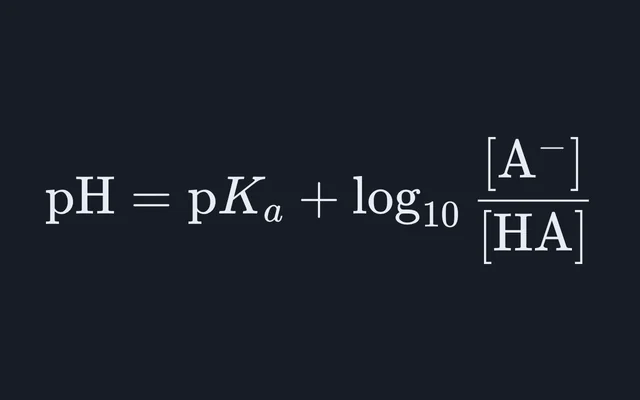
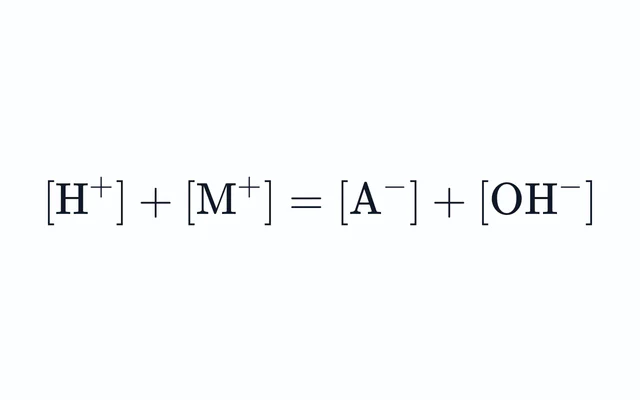
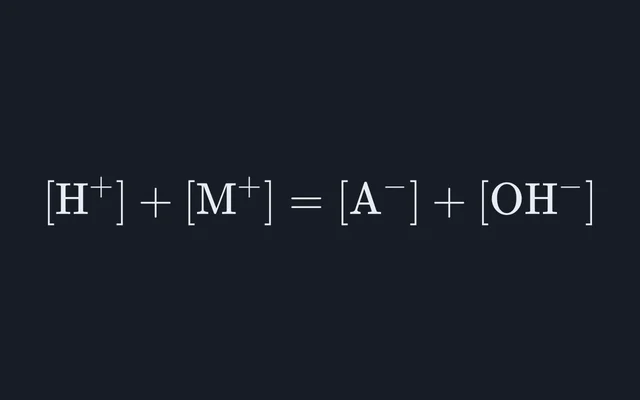
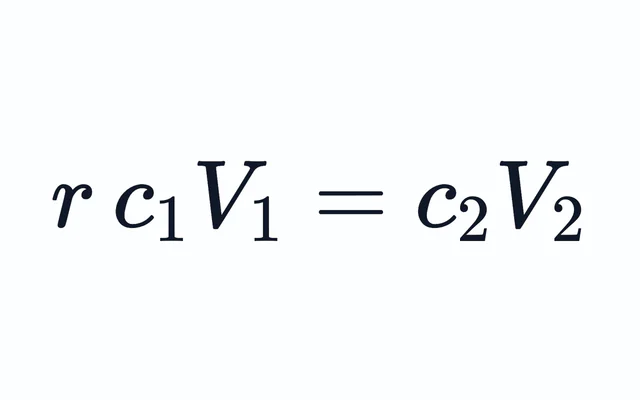
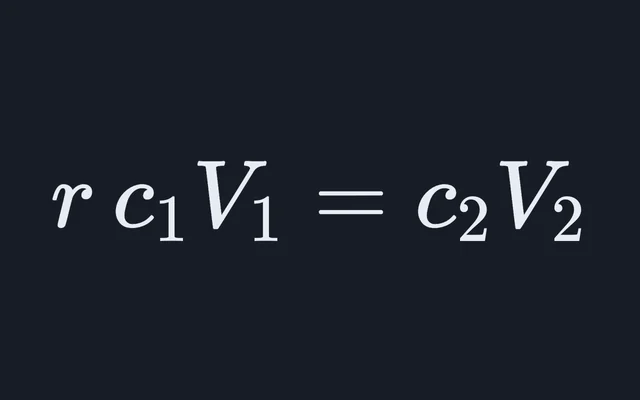
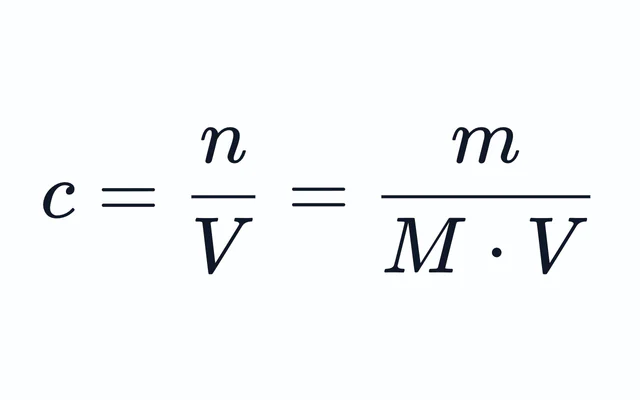
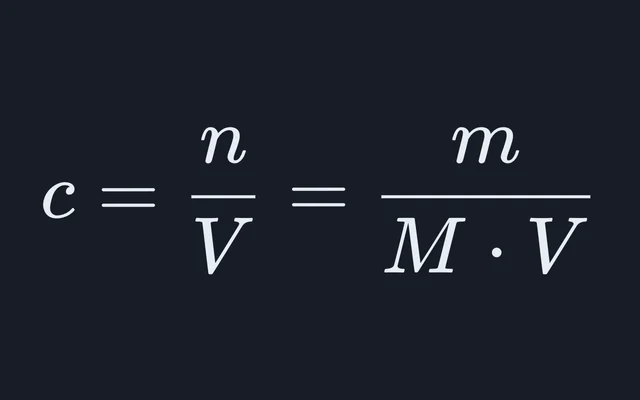
Foundational Concept 5: common ions and their charges, the pH of strong and weak acids and bases, buffers and the Henderson-Hasselbalch equation, molarity, and titration from the indicator endpoint to the full curve.
5B: Nature of molecules and intermolecular interactions
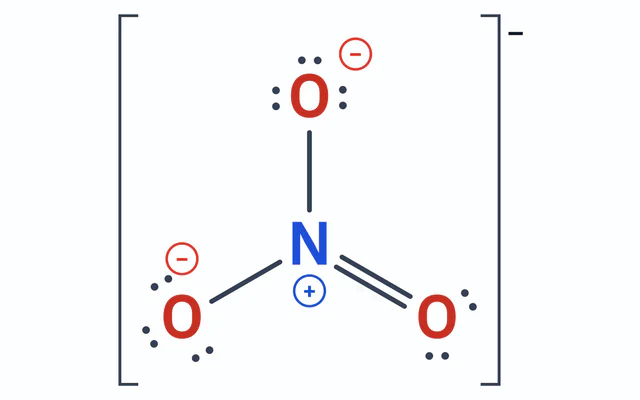
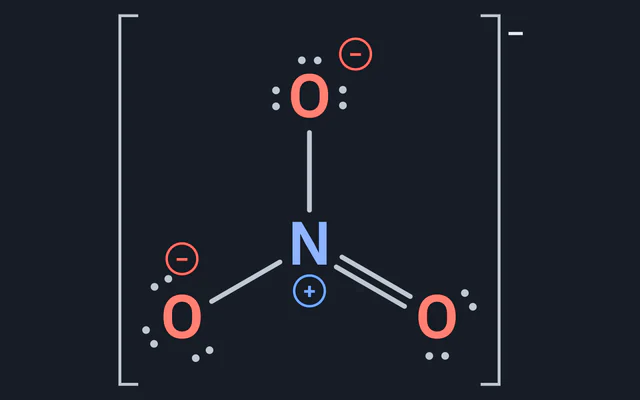
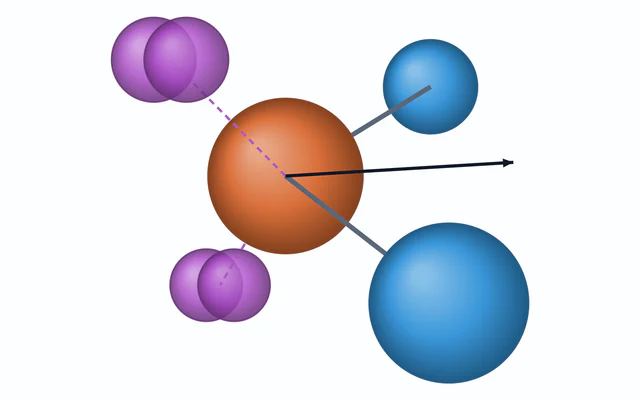
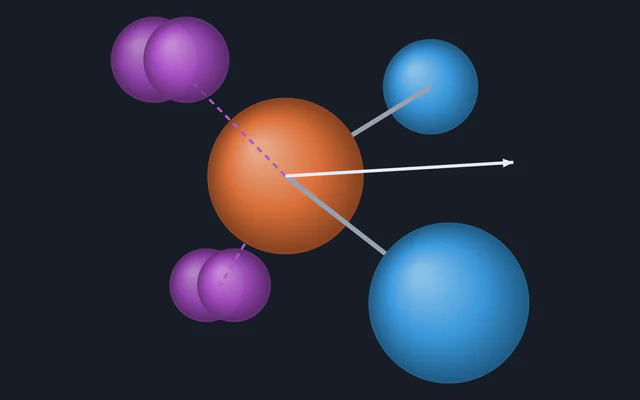
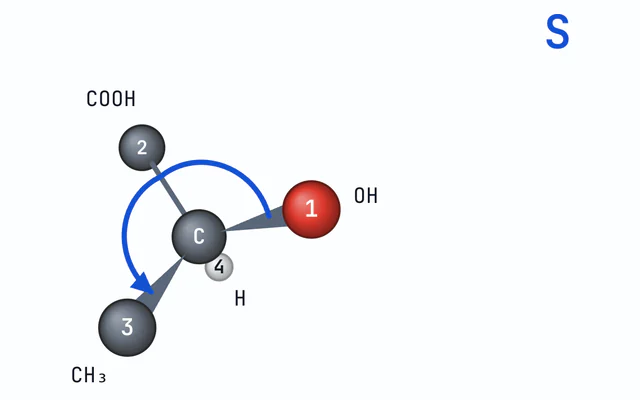
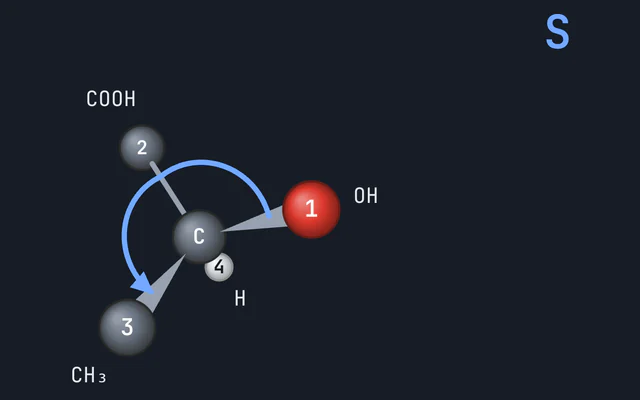
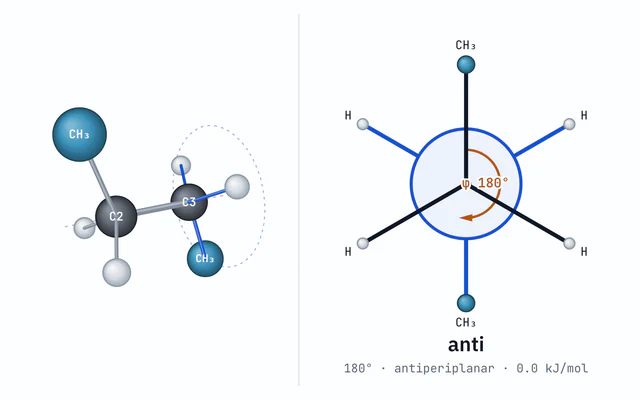
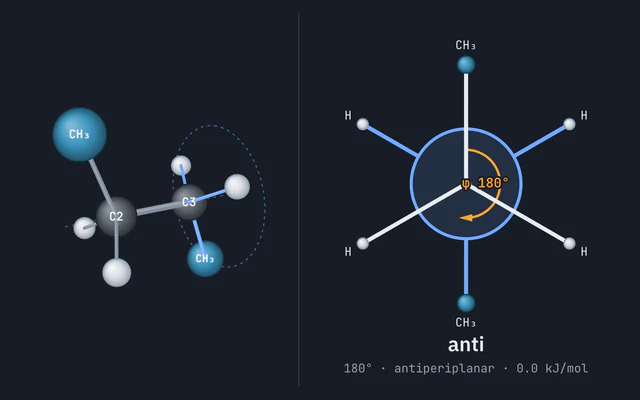
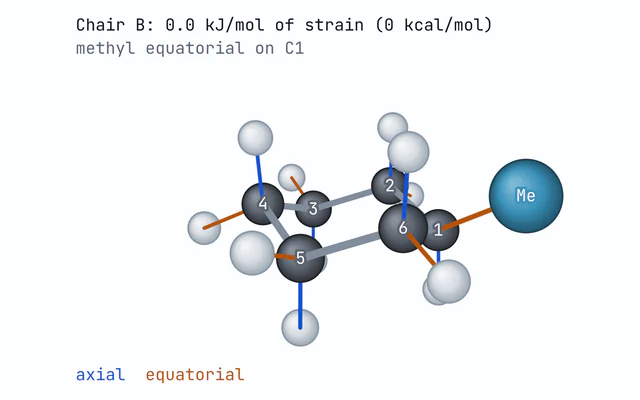
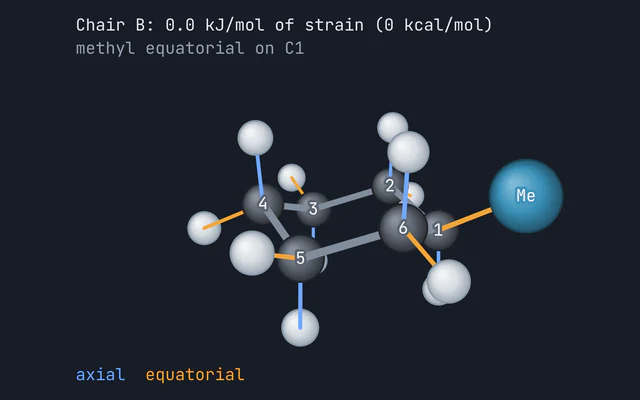
Foundational Concept 5: Lewis structures with formal charge and resonance, VSEPR shapes, R and S configuration by the Cahn-Ingold-Prelog rules, and conformational isomers in Newman projections and cyclohexane chairs.
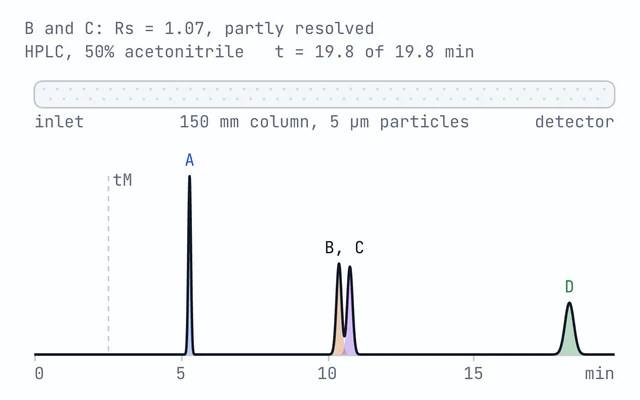
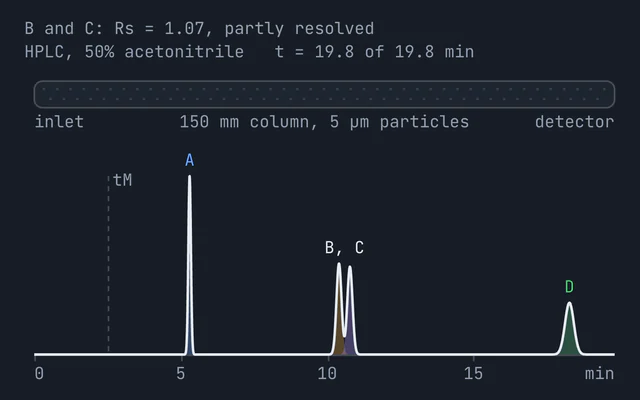
Foundational Concept 5: chromatography on the two column methods the outline names, gas-liquid and high-pressure liquid chromatography, with retention time and resolution changing as the solvent, oven temperature or column changes.
5E: Principles of chemical thermodynamics and kinetics
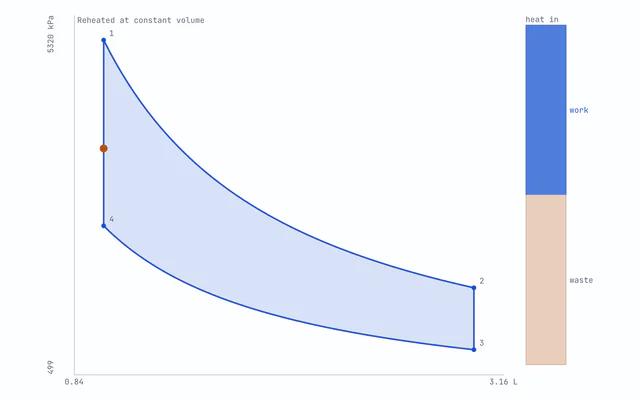
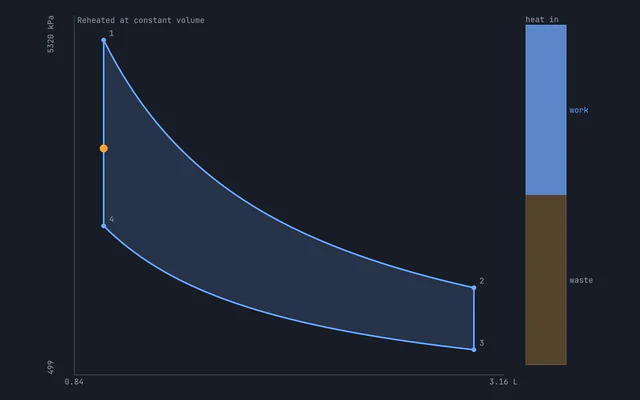
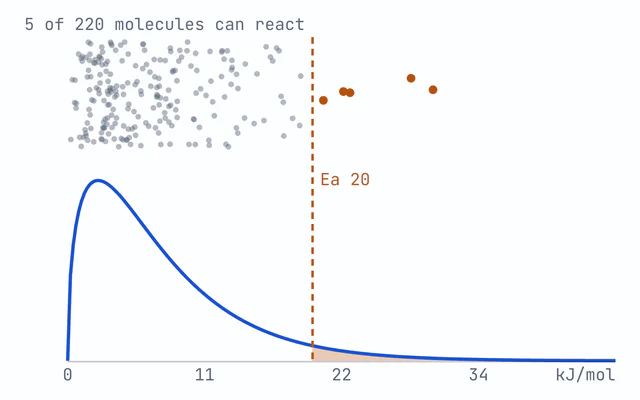
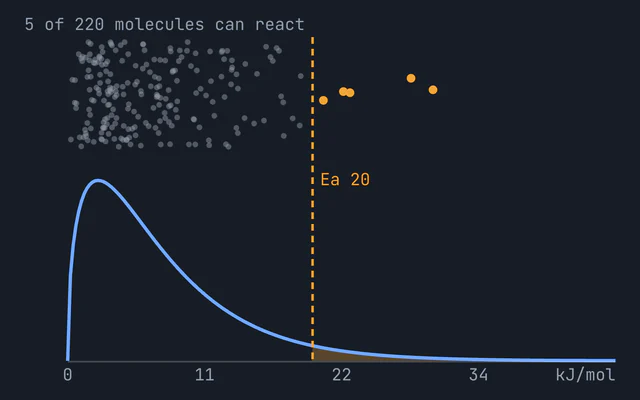
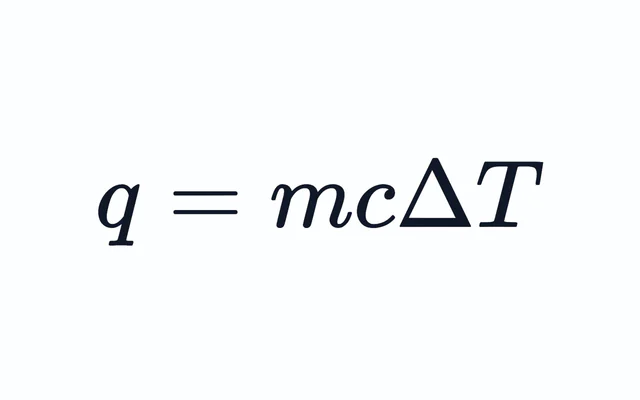
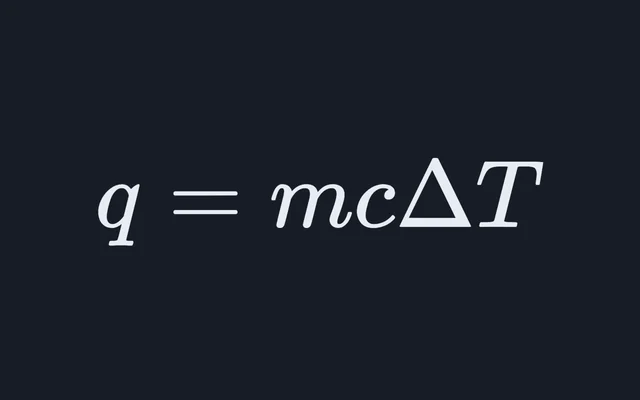
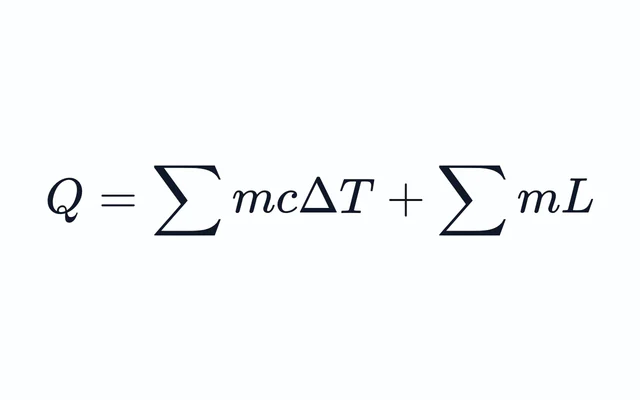
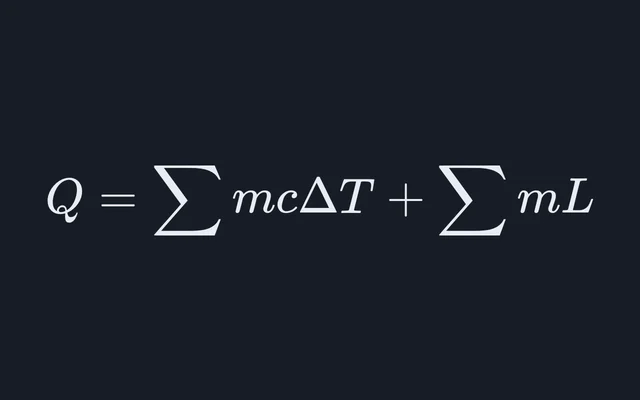
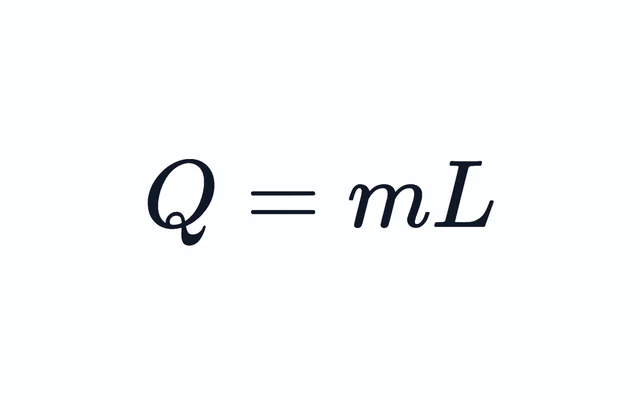
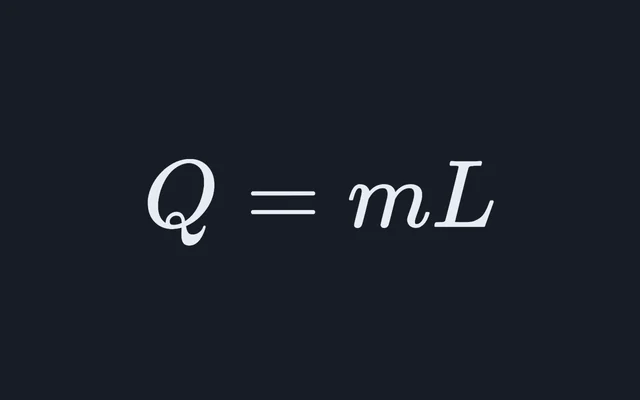
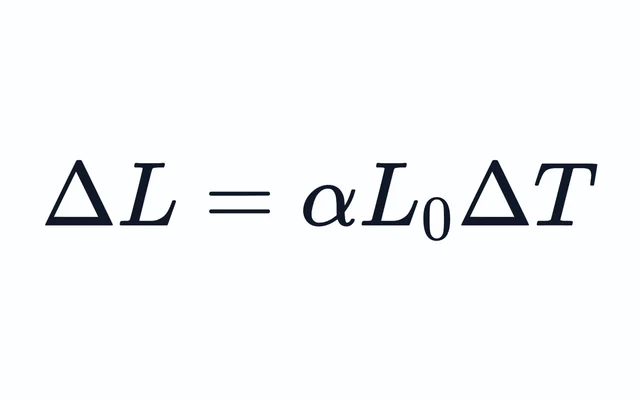
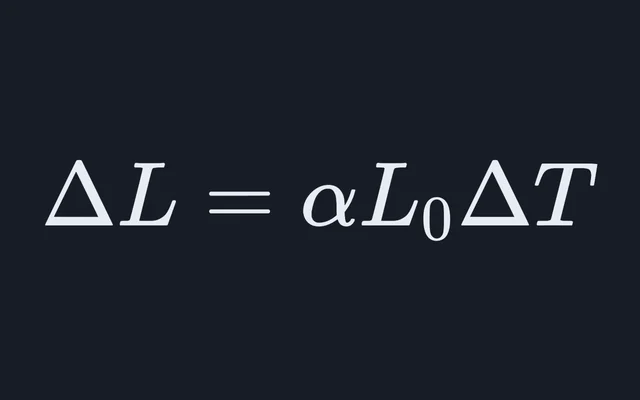
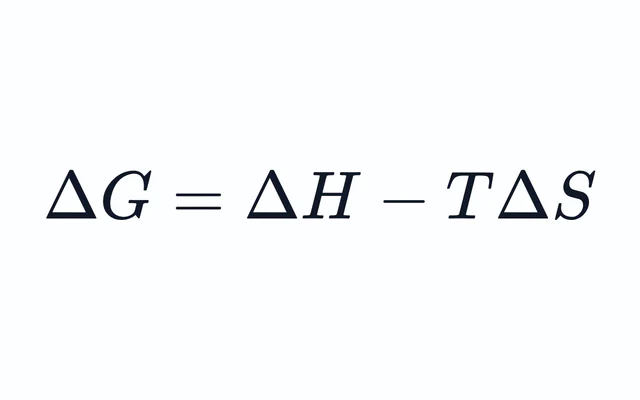
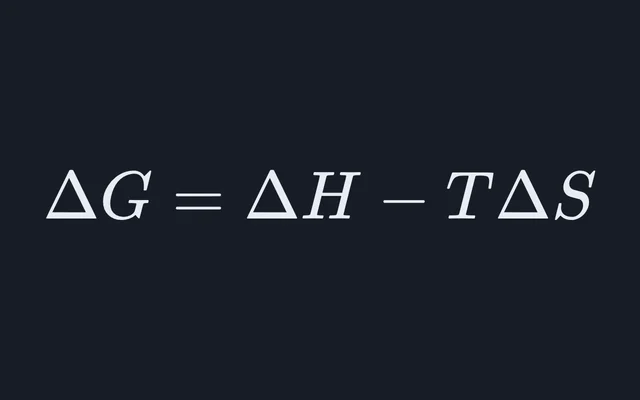
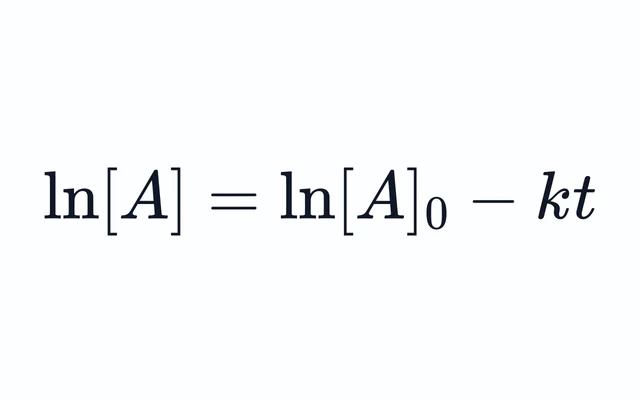
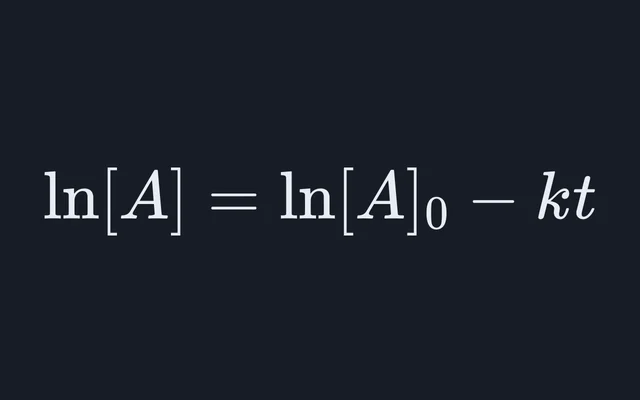
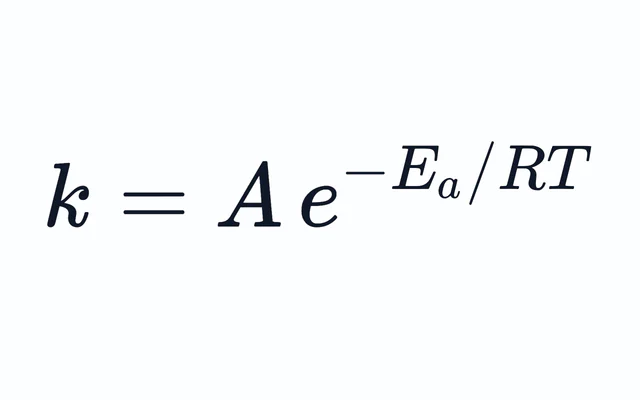
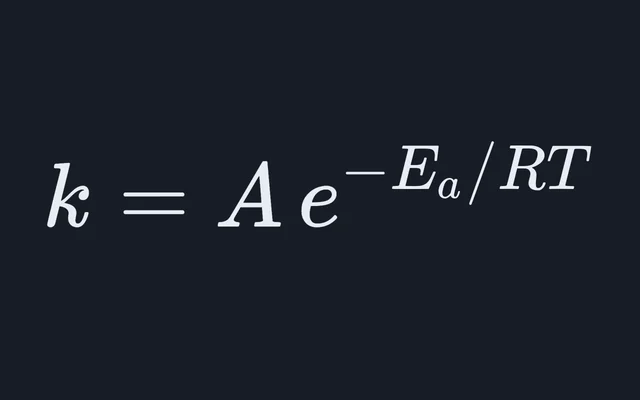
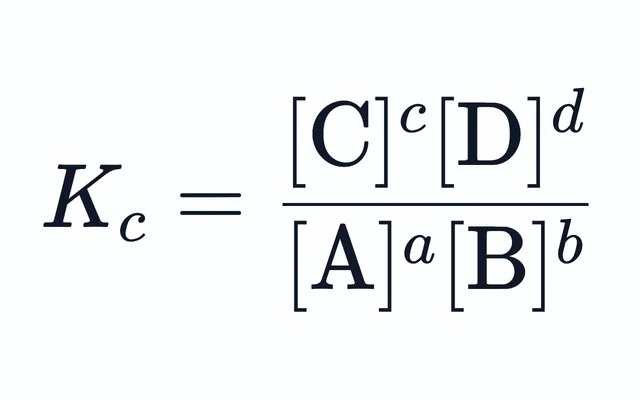
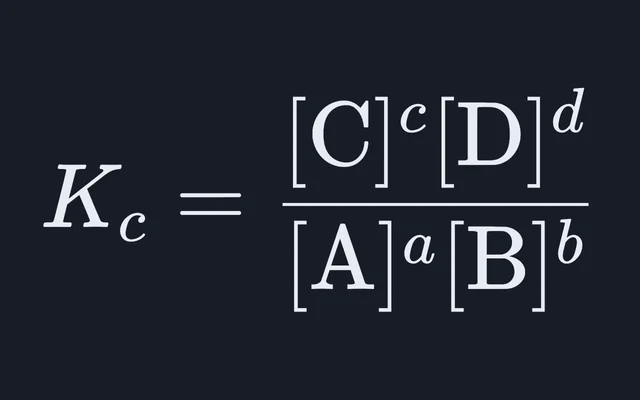
Foundational Concept 5: calorimetry and specific heat, heats of fusion and vaporization, the coefficient of expansion, work as the area on a PV diagram, Gibbs free energy and spontaneity, and kinetics from rate laws and reaction order to activation energy, the Arrhenius equation and equilibrium constants.
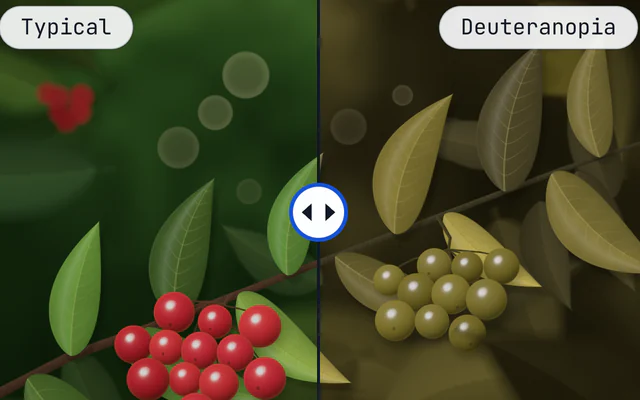
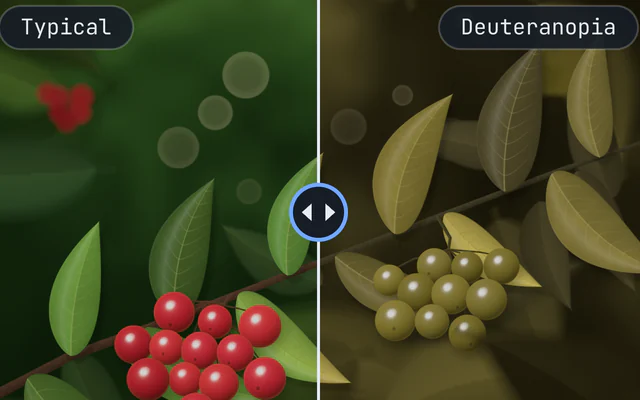
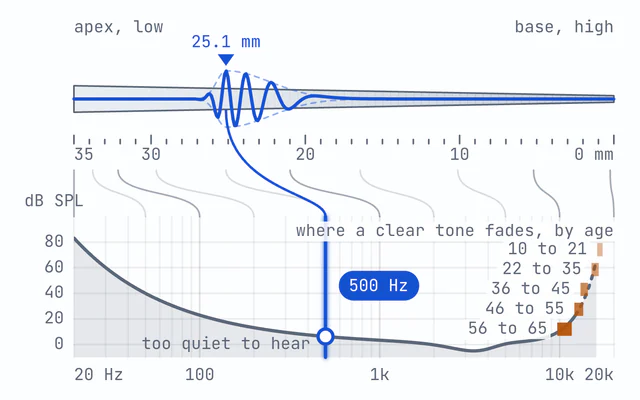
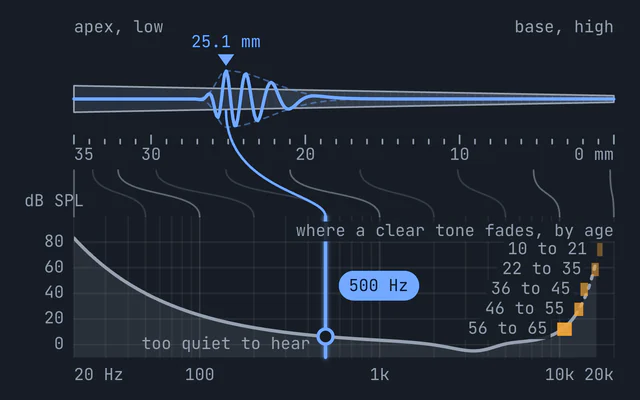
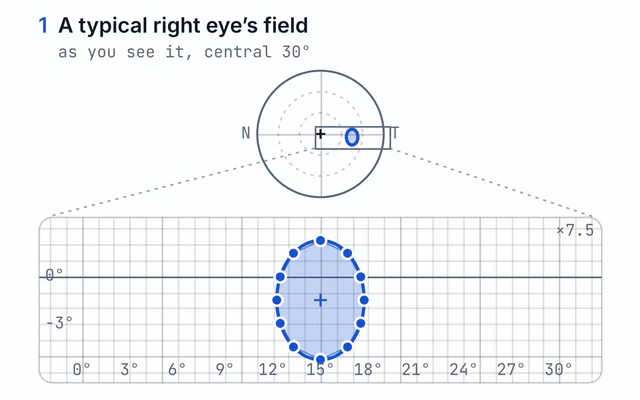
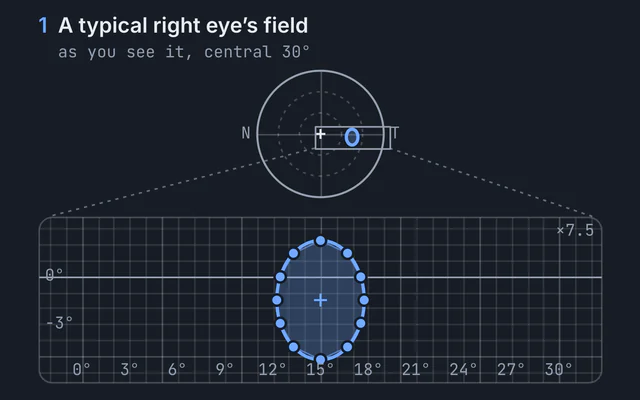
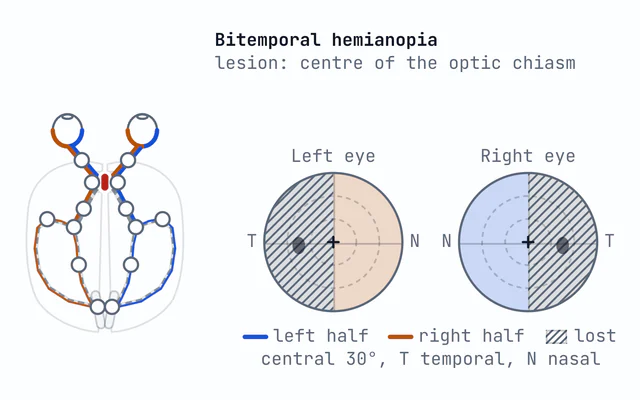
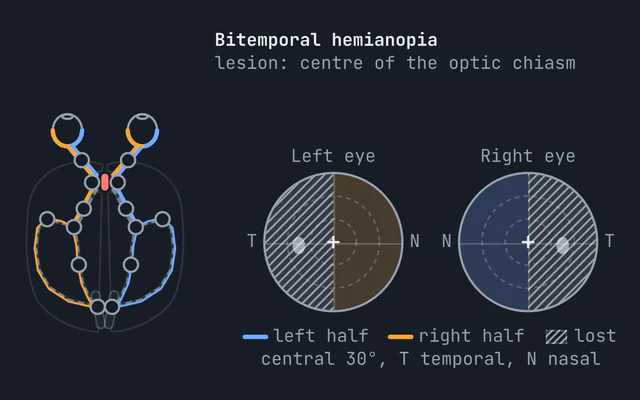
Psychological, Social, and Biological Foundations of Behavior, Foundational Concept 6: the structure and function of the eye, the visual pathways in the brain, the three cone types and what changes when one is shifted or missing, and hearing, from the hair cells of the cochlea to the range of pitch they detect.
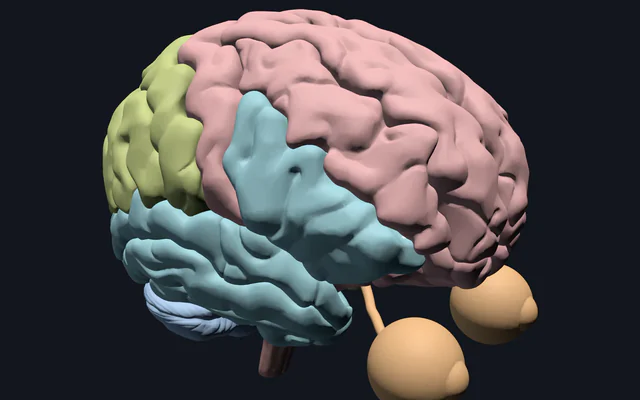
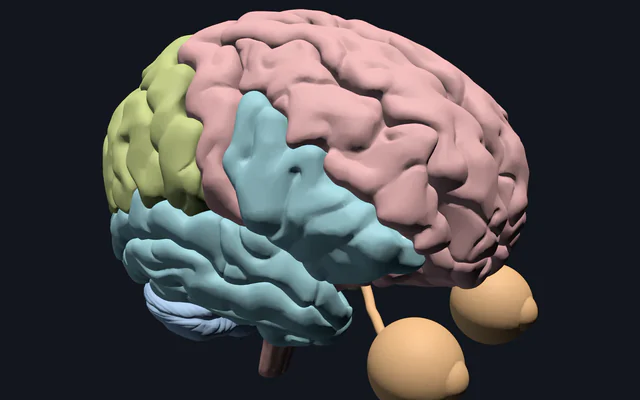
Foundational Concept 7: the biological bases of behavior, from the forebrain, midbrain and hindbrain to the limbic structures and the cerebral lobes, as named structures in a 3D brain.
The AAMC’s outline sorts three of the four MCAT sections into ten foundational concepts and 31 content categories, each with a code such as 1A or 4C. This page lists the 20 categories the site’s tools cover, under the AAMC’s own titles and in the outline’s order, from 1A, proteins and amino acids, to 7A, individual influences on behavior.
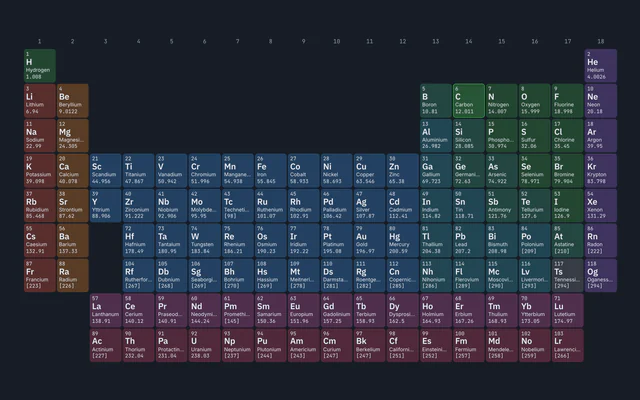
By the AAMC’s estimate, Foundational Concept 1 accounts for about 55 percent of the Biological and Biochemical section, Foundational Concept 5 for about 60 percent of the Chemical and Physical Foundations section, and Foundational Concept 7 for about 35 percent of the Psychological, Social, and Biological section. Critical Analysis and Reasoning Skills has no unit, because the AAMC says it needs no specific knowledge, and neither does any category without a matching tool, such as metabolism (1D) and the social science categories from 7B to 10A. The outline also states that calculus is not required and that a periodic table is provided during the exam.
Course outline: What’s on the MCAT Exam?, Association of American Medical Colleges, 2020 edition.
Cookies and ads. Google may use cookies to personalise and measure the ads that keep this site
free: in the EEA, the UK and Switzerland only if you agree, elsewhere unless you
decline. Decline and every tool still works, with non-personalised ads. Privacy notice
Search tools
No tool matches that. Try a shorter word, or the quantity you are after.