College Board · First college course in algebra-based physics
AP Physics 1 Simulations and Calculators by Unit
Free AP Physics 1 simulations and calculators for all eight units of the 2024 course, from kinematics and forces to torque, oscillations and fluids.
29 tools across 8 units
Unit 1: Kinematics
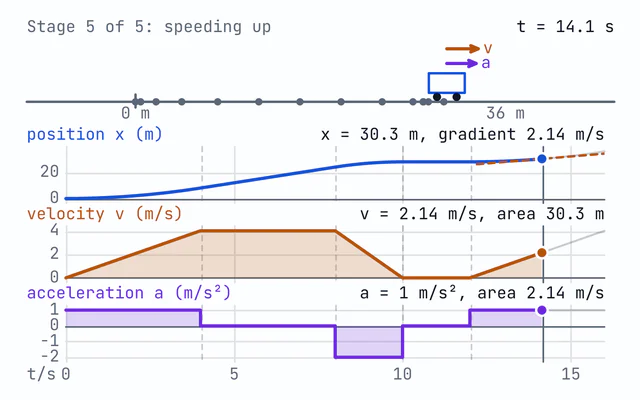
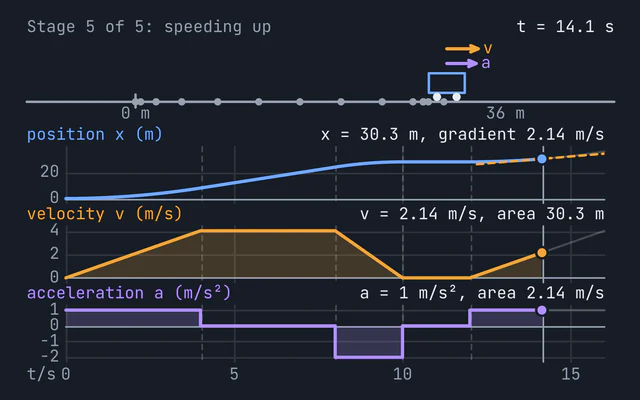
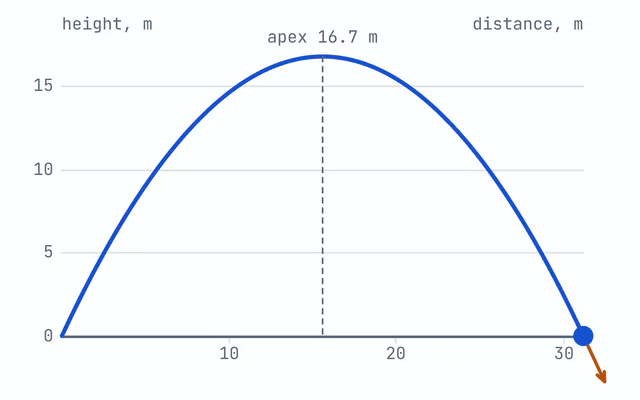
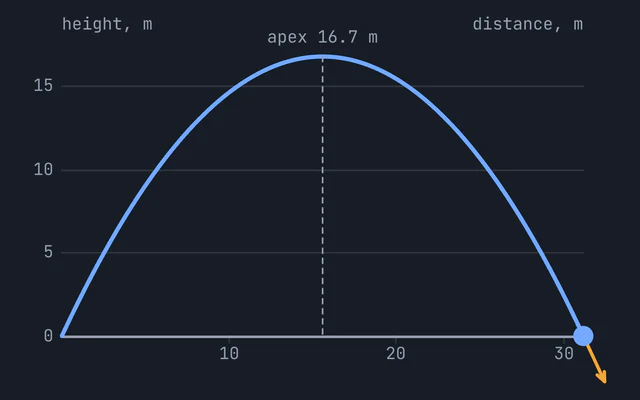
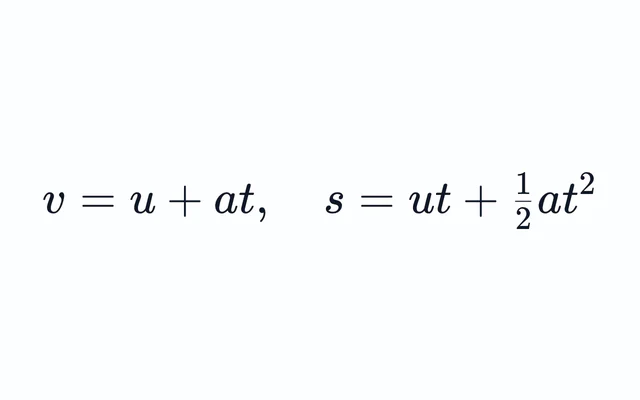
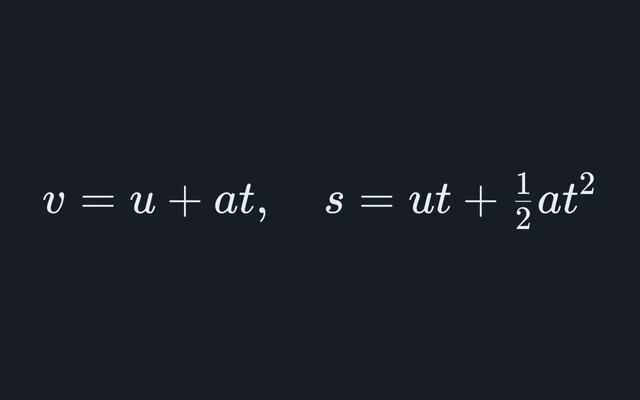
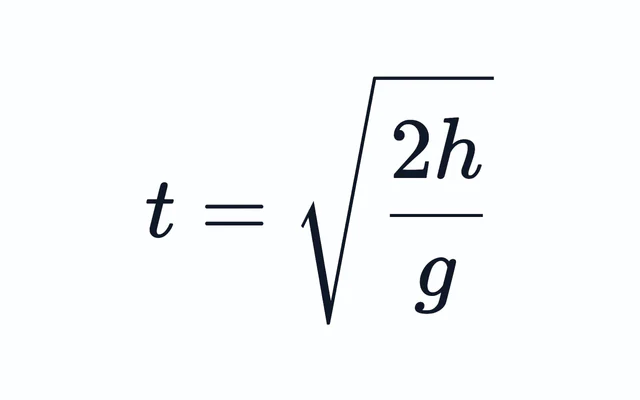
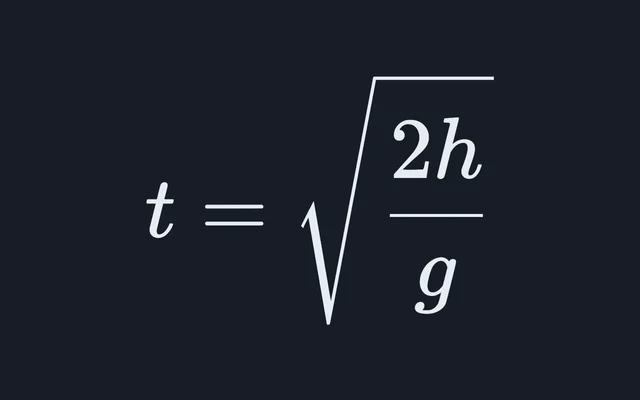
Scalars and vectors, displacement, velocity and acceleration, motion graphs, reference frames and relative motion, and motion in two dimensions, including projectiles.
Unit 2: Force and Translational Dynamics
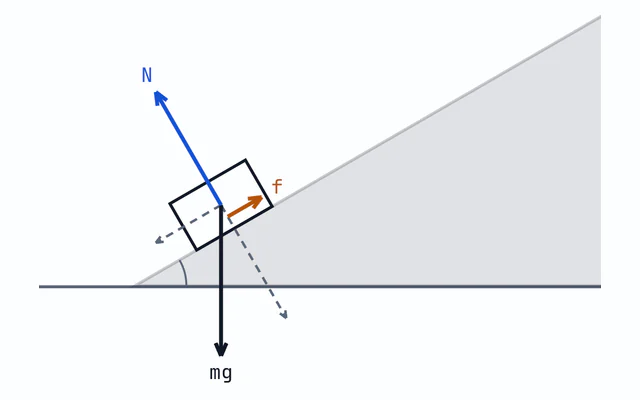
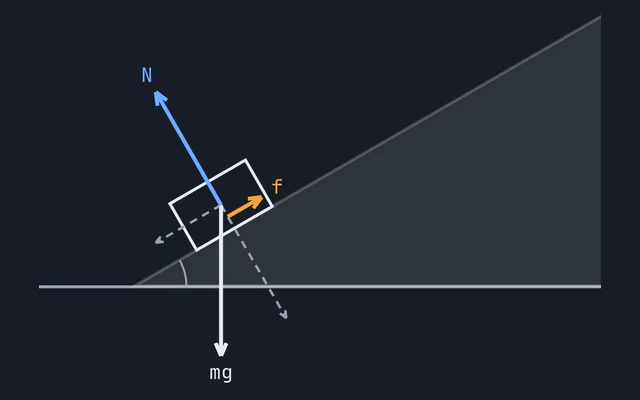
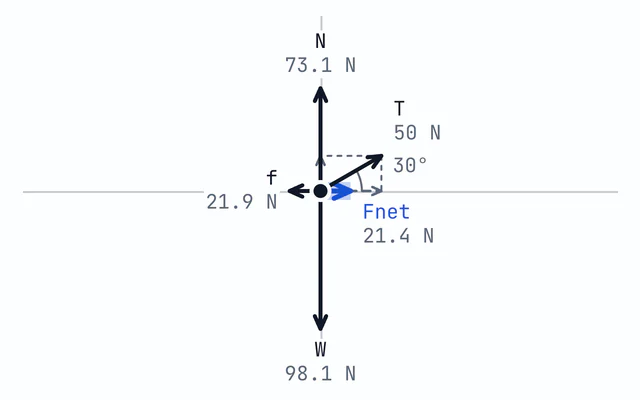
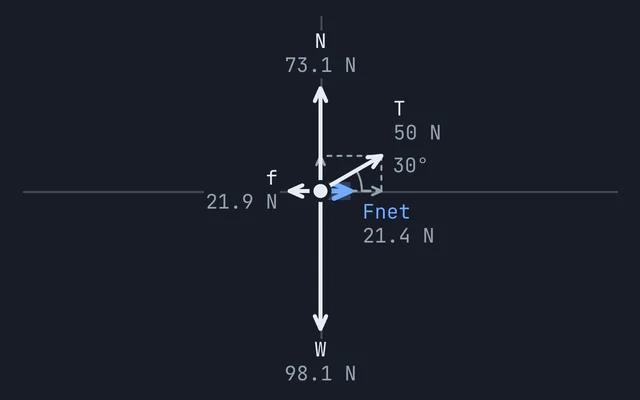
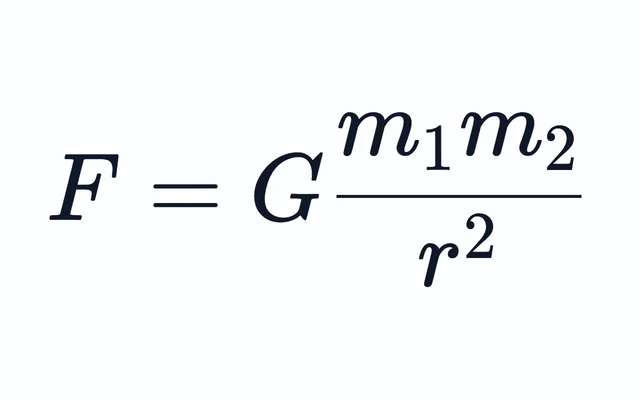
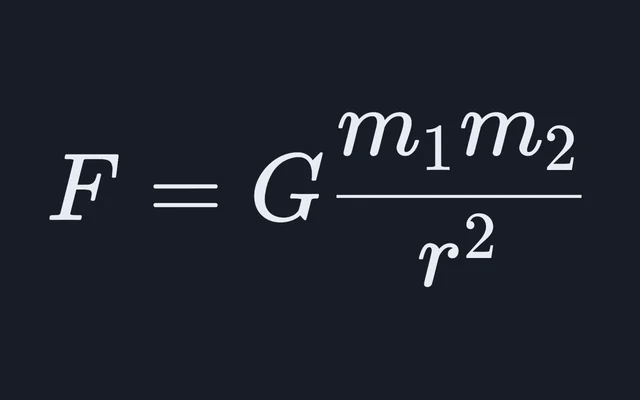
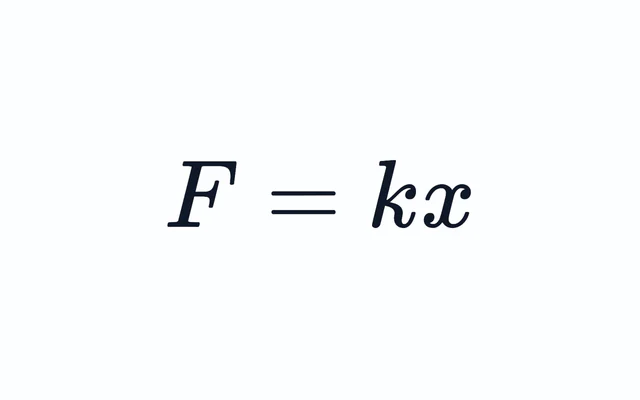
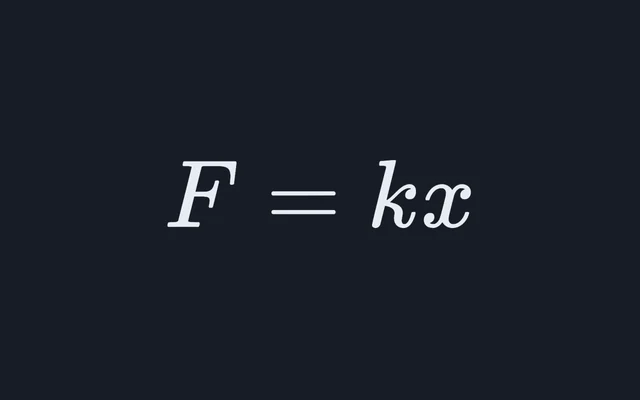
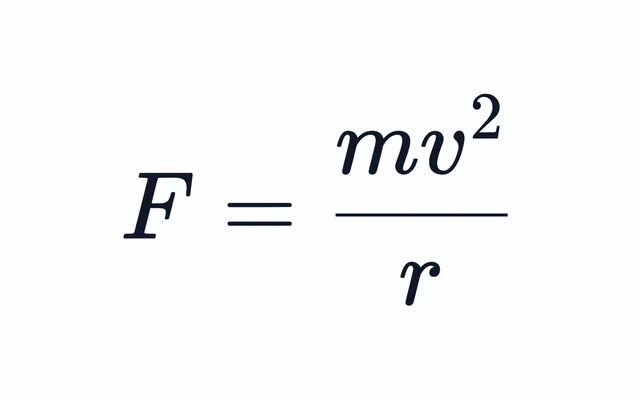
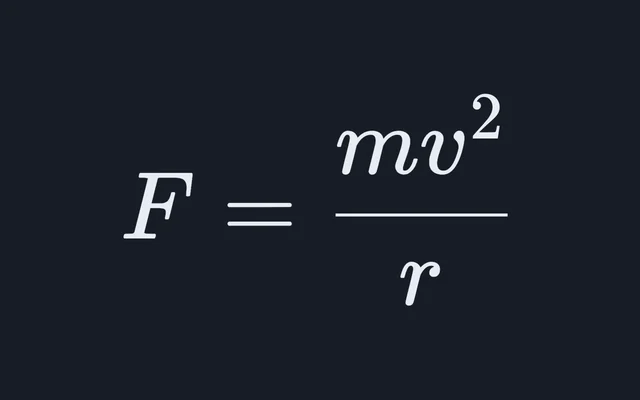
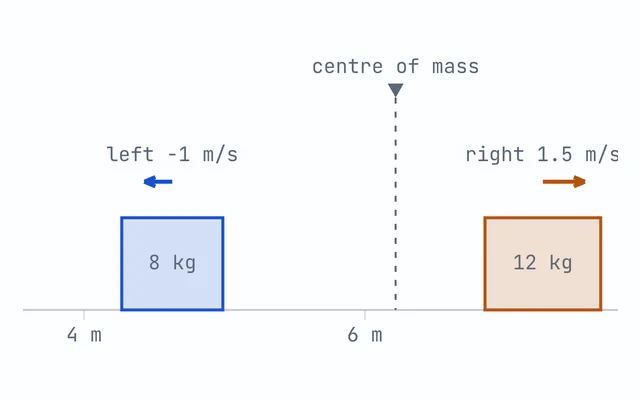
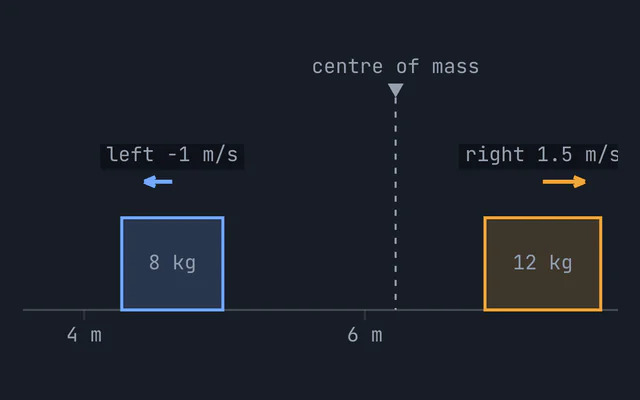
Systems and centre of mass, free-body diagrams, Newton’s three laws, gravitational force, static and kinetic friction, spring forces and circular motion.
Unit 3: Work, Energy, and Power
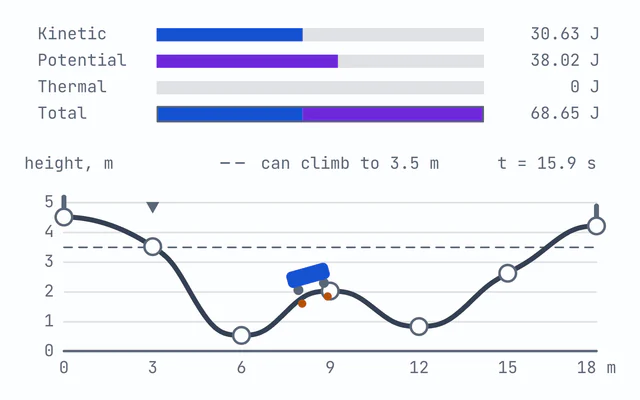
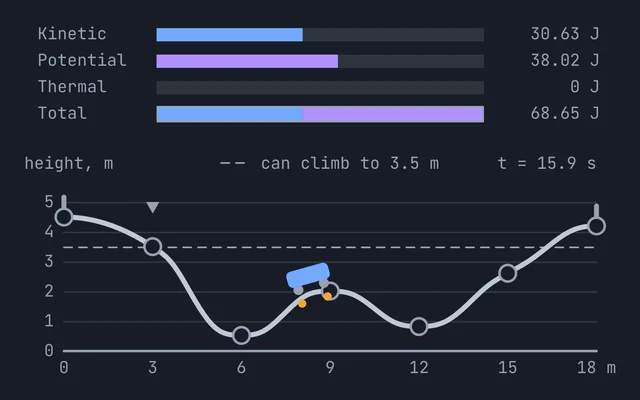
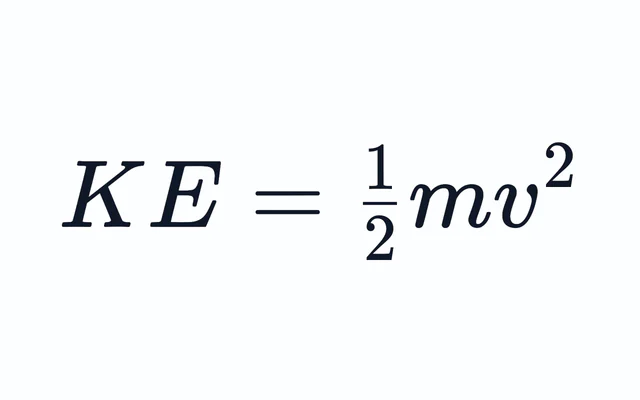
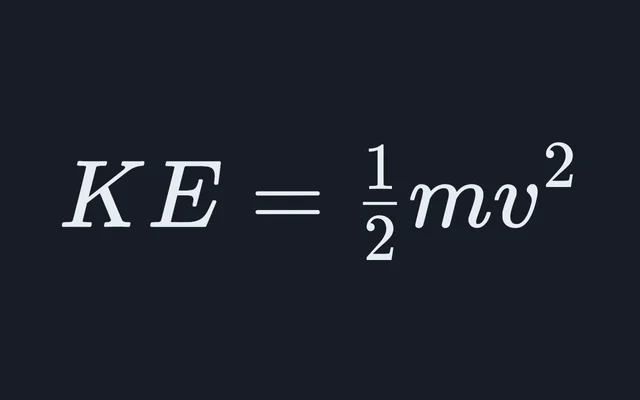
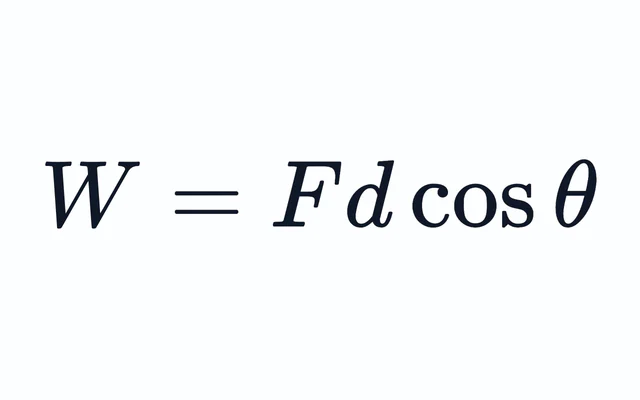
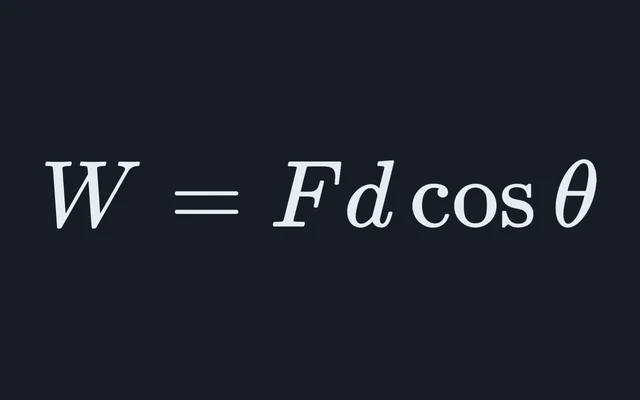
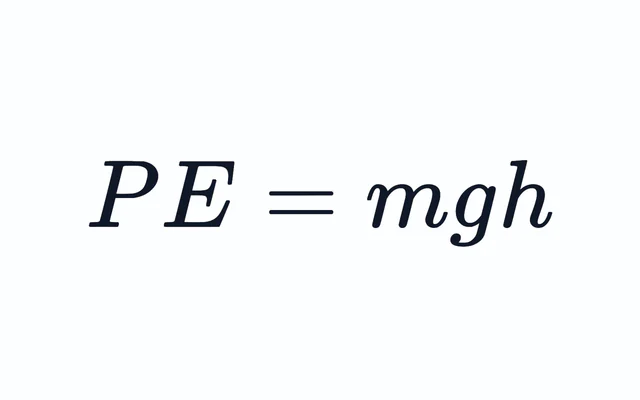
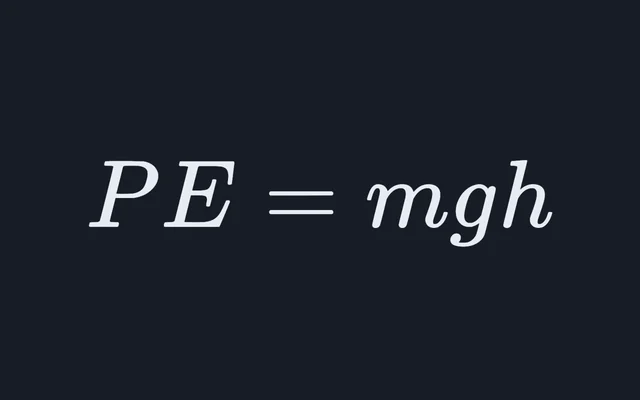
Translational kinetic energy, the work done by a force, potential energy, conservation of energy and power.
Unit 4: Linear Momentum
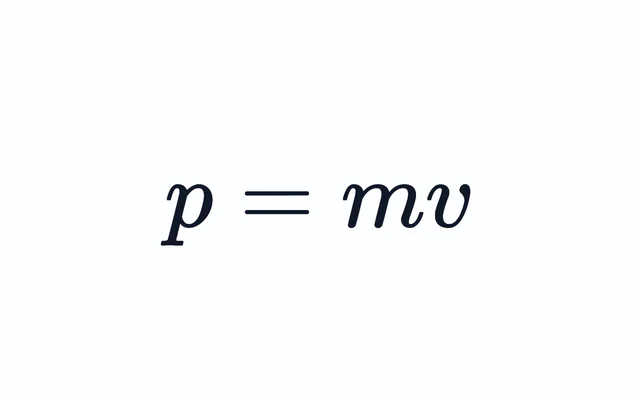
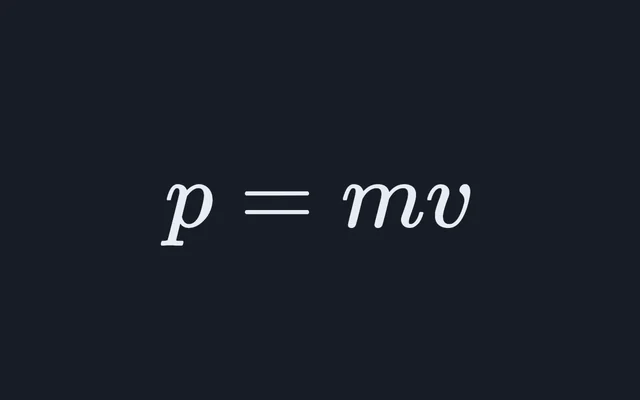
Momentum, impulse and the change in momentum it causes, conservation of momentum, and elastic and inelastic collisions.
Unit 5: Torque and Rotational Dynamics
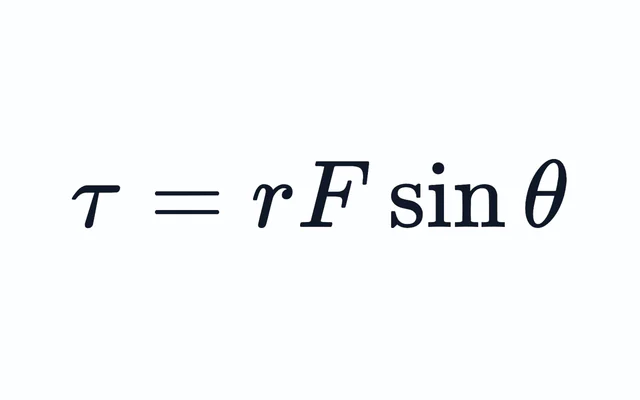
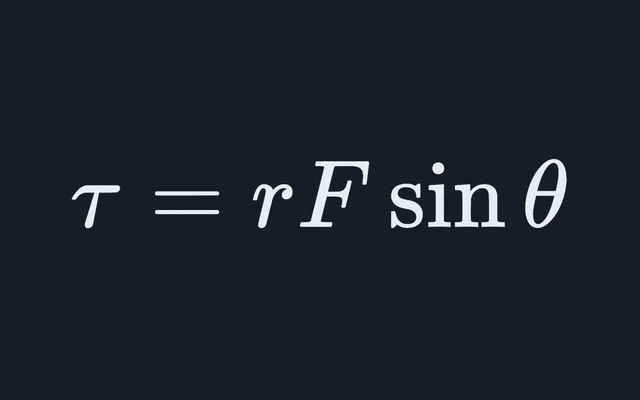
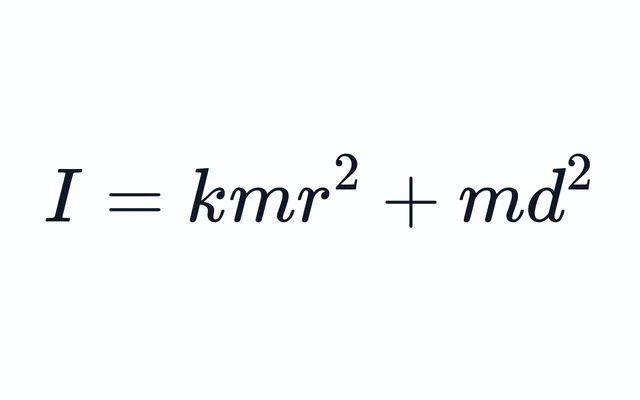
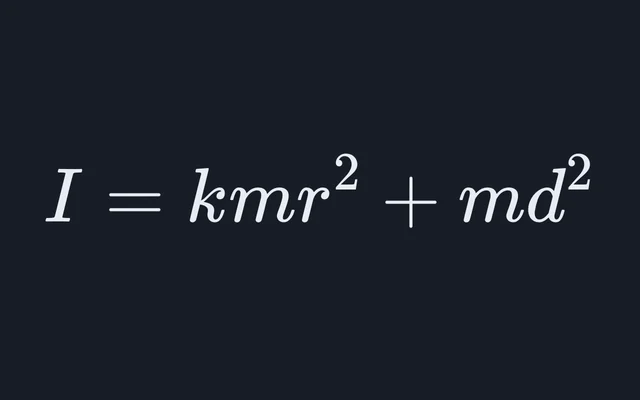
Rotational kinematics and its link to linear motion, torque, rotational inertia, rotational equilibrium and Newton’s second law in rotational form.
Unit 6: Energy and Momentum of Rotating Systems
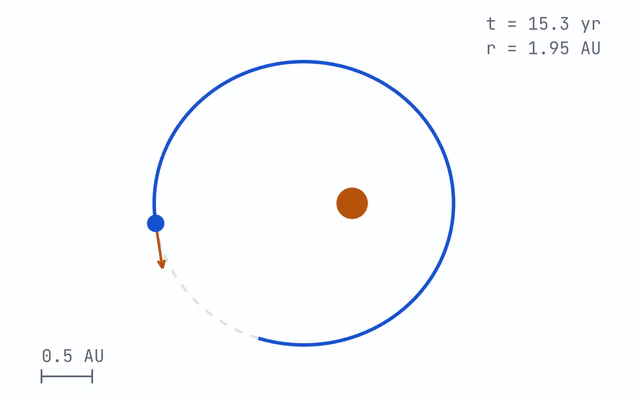
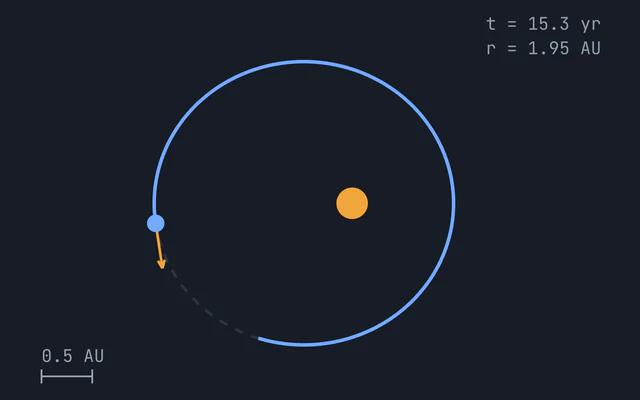
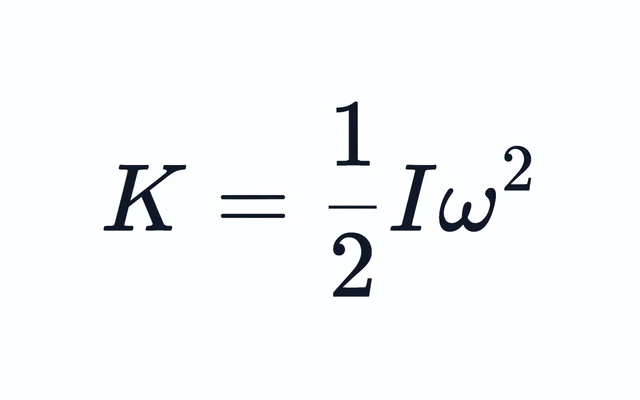
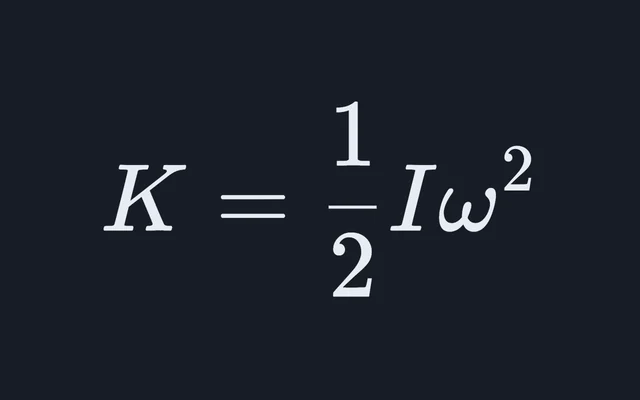
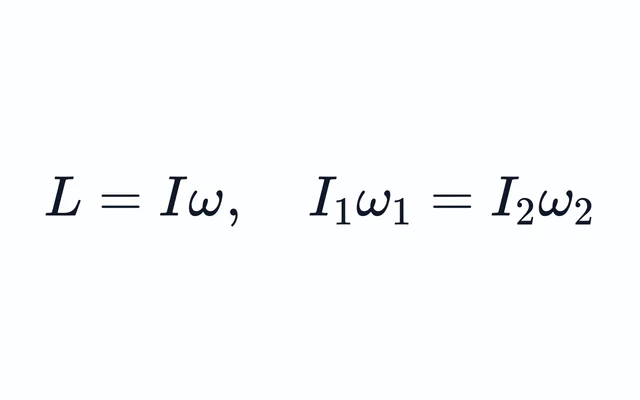
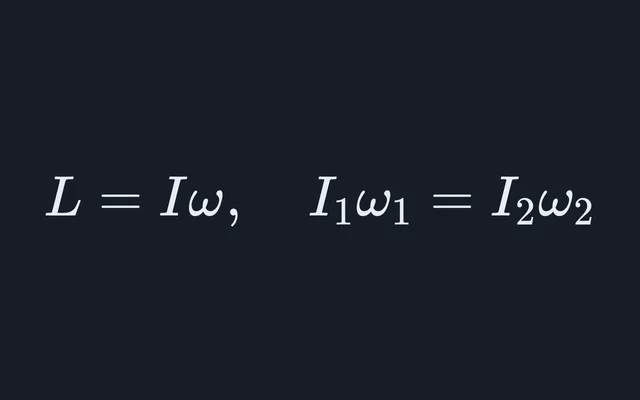
Rotational kinetic energy, the work done by a torque, angular momentum and angular impulse, conservation of angular momentum, rolling and the motion of orbiting satellites.
Unit 7: Oscillations
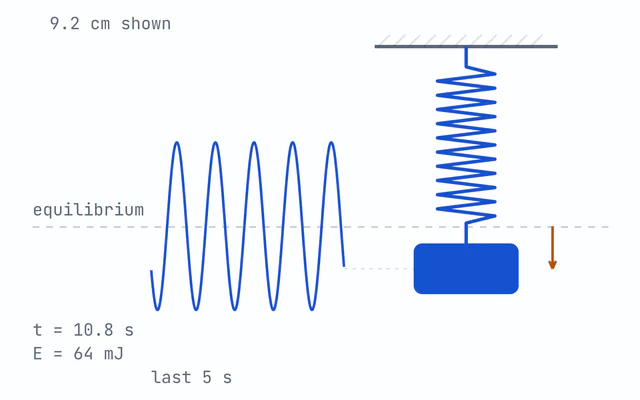
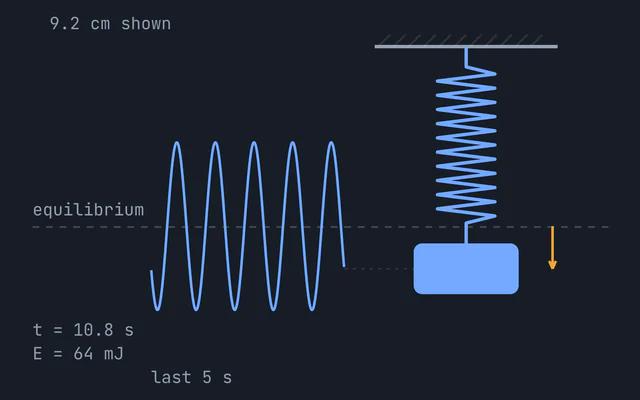
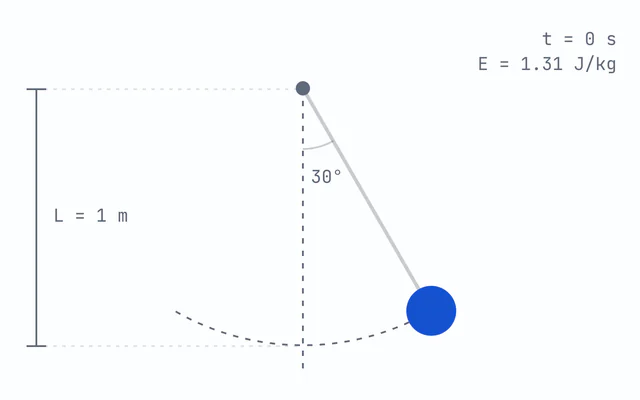
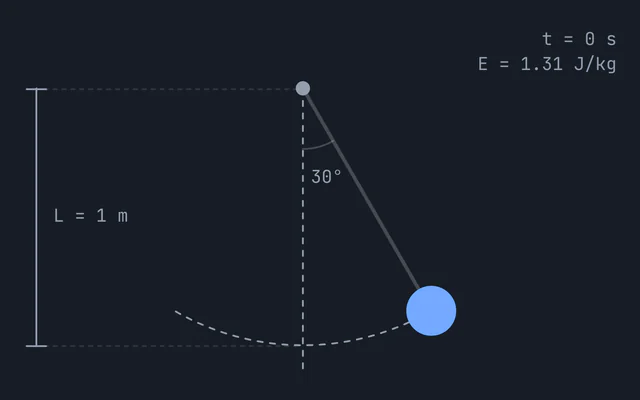
Simple harmonic motion: what defines it, its frequency and period, how to represent it on graphs and in equations, and the energy of an oscillator.
Unit 8: Fluids
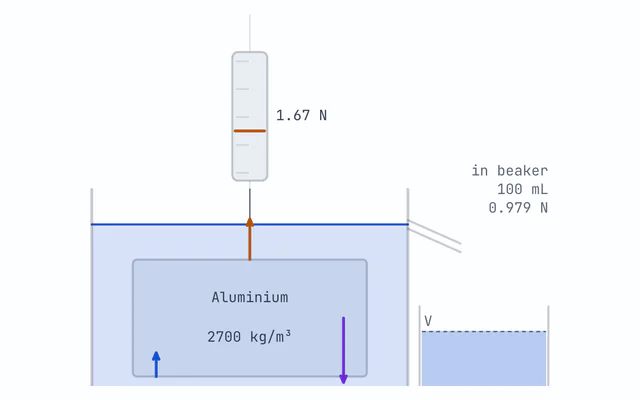
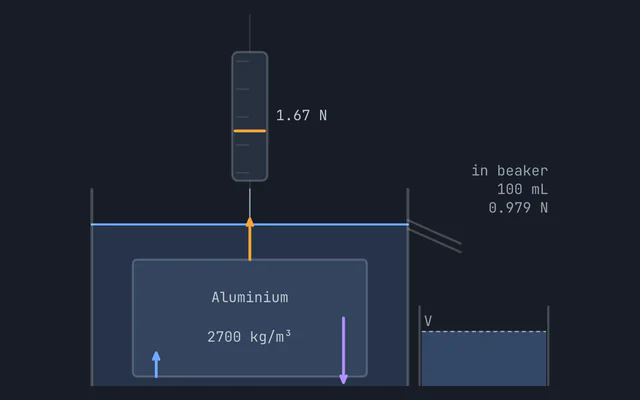
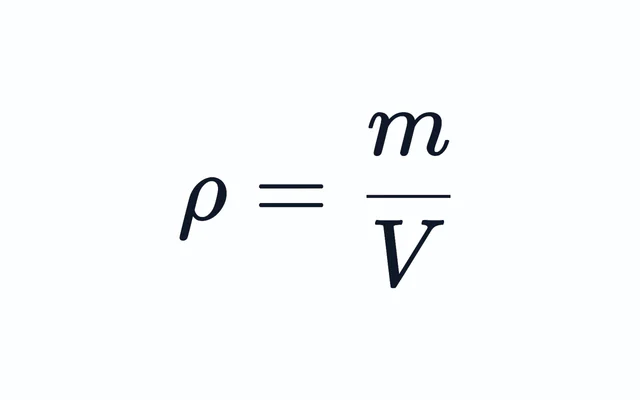
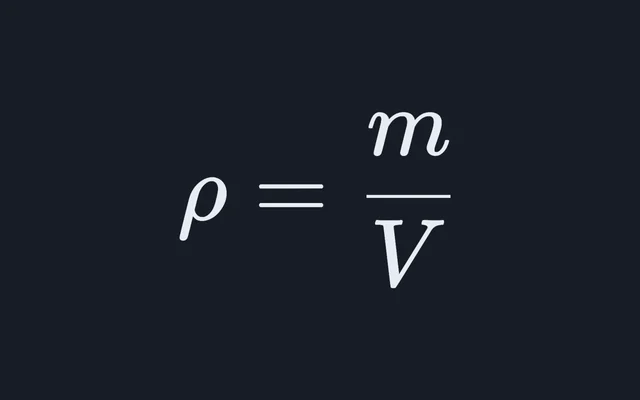
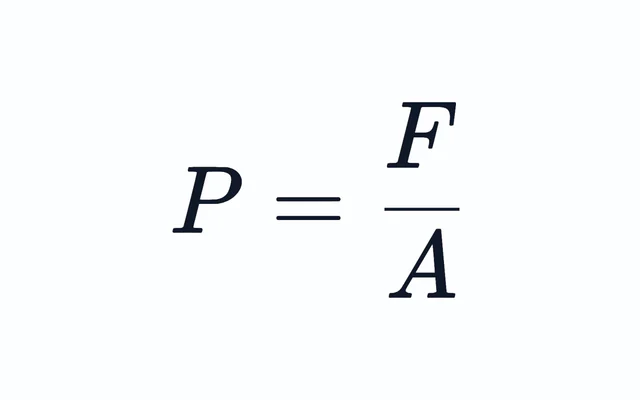
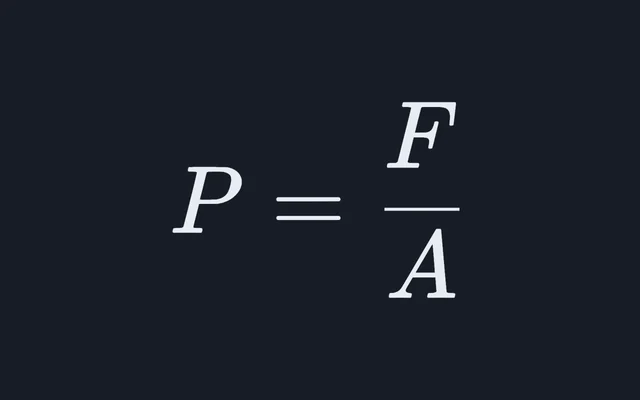
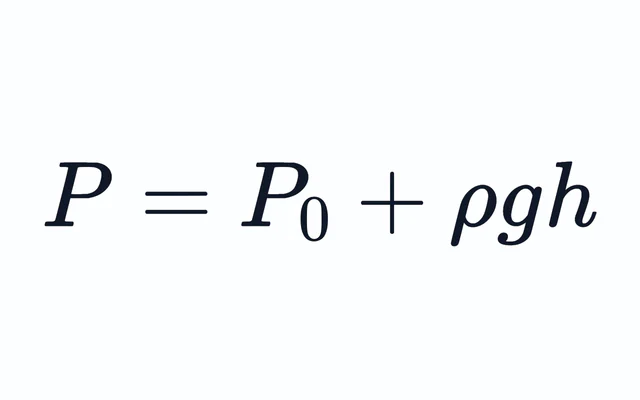
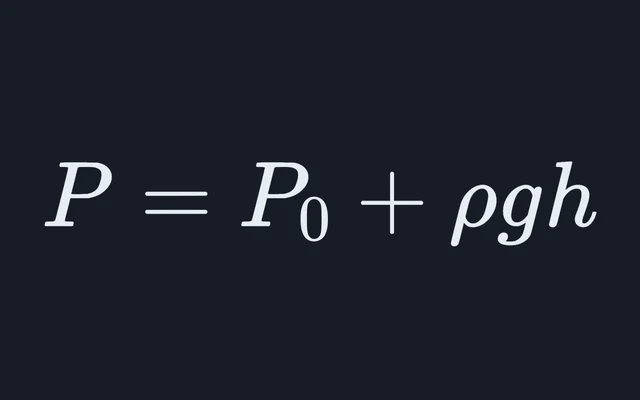
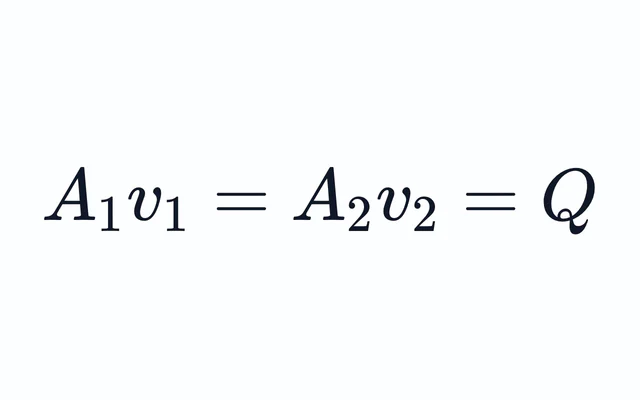
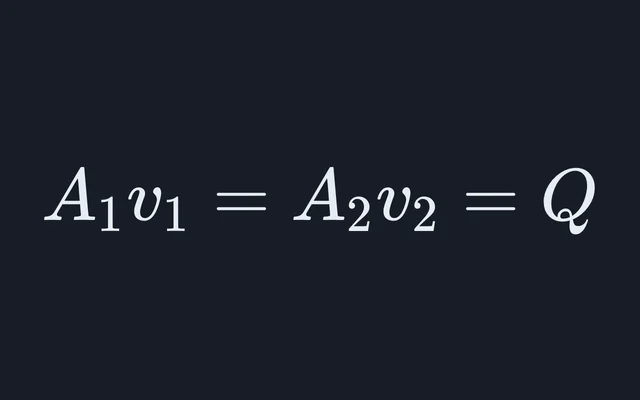
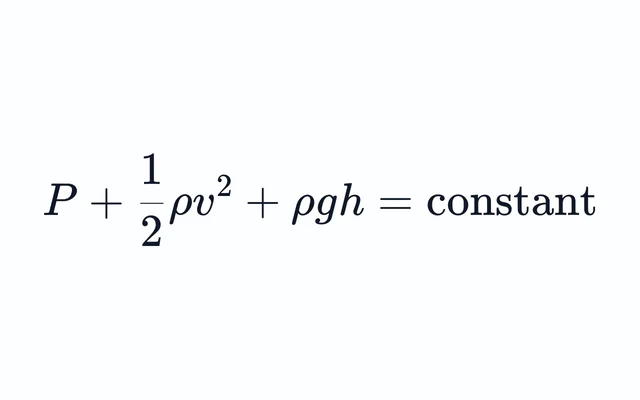
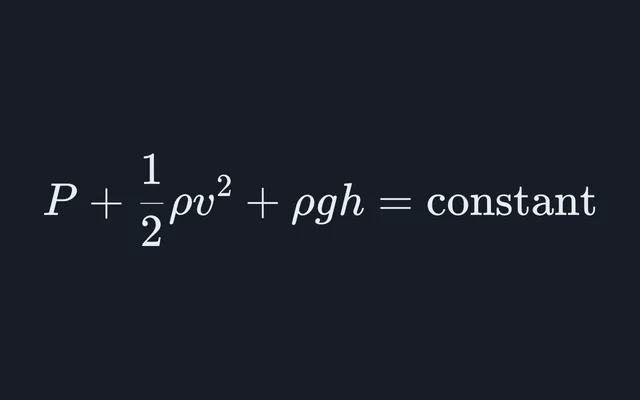
Density, pressure in a fluid, buoyancy and Newton’s laws applied to fluids, and the conservation laws behind the continuity equation and Bernoulli’s equation.
What are the units in AP Physics 1?
The College Board course framework divides AP Physics 1 into eight units: Kinematics; Force and Translational Dynamics; Work, Energy, and Power; Linear Momentum; Torque and Rotational Dynamics; Energy and Momentum of Rotating Systems; Oscillations; and Fluids. On this page, each unit has a short summary and the tools on this site that teach it.
Units 2 and 3, on forces and on energy, each make up 18 to 23 percent of the multiple-choice section, more than any other unit, and Units 6 and 7 the least, 5 to 8 percent each. The course description asks for geometry first and Algebra II taken alongside, and requires 25 percent of instructional time to be spent on hands-on lab work.
Course outline: College Board, AP Physics 1: Algebra-Based Course and Exam Description, effective fall 2024.