College Board · College-level general chemistry
AP Chemistry Simulations and Calculators by Unit
Free AP Chemistry simulations and calculators sorted into all nine College Board units, from atomic structure to electrochemistry, with a unit summary.
44 tools across 9 units
Unit 1: Atomic Structure and Properties
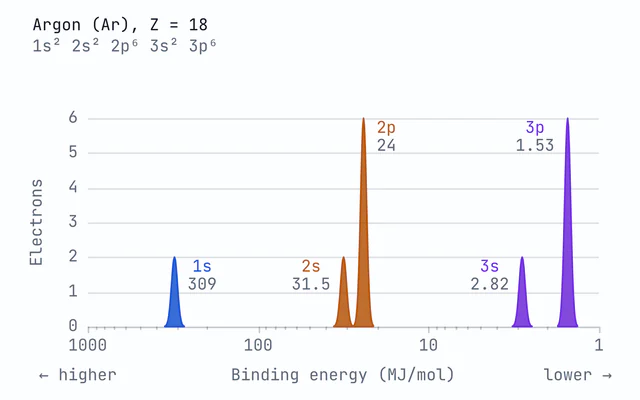
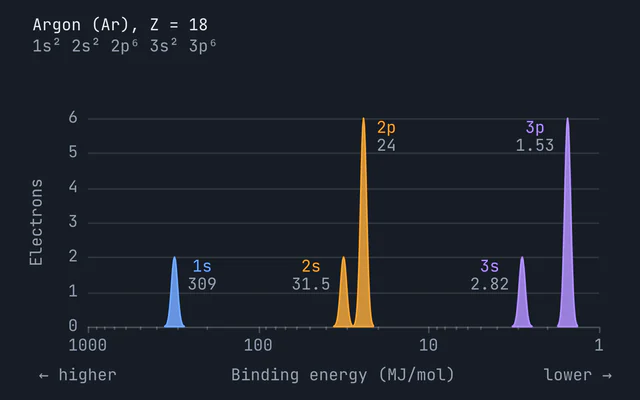
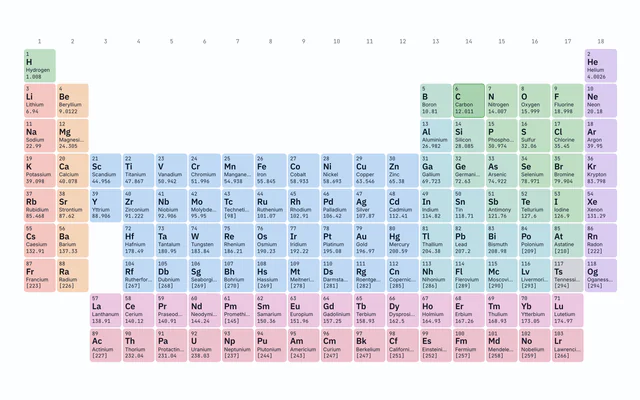
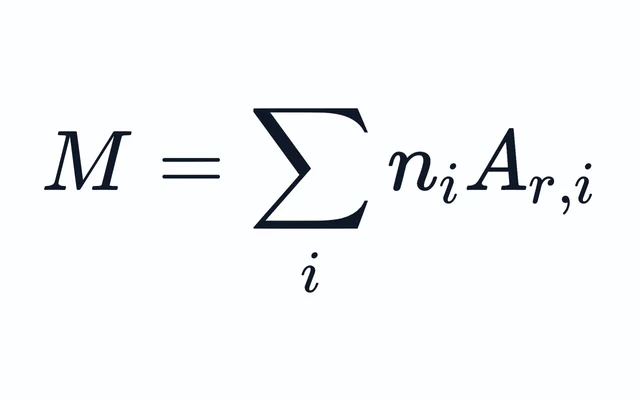
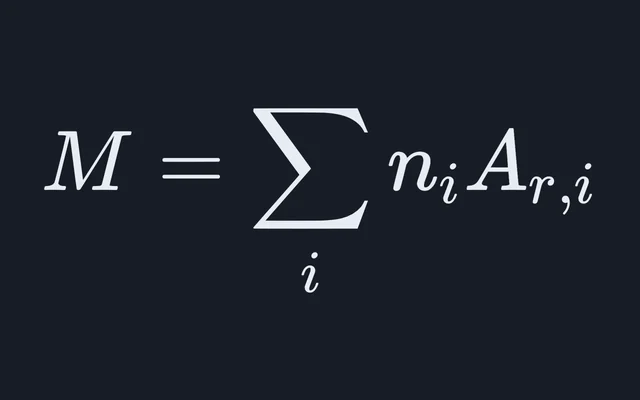
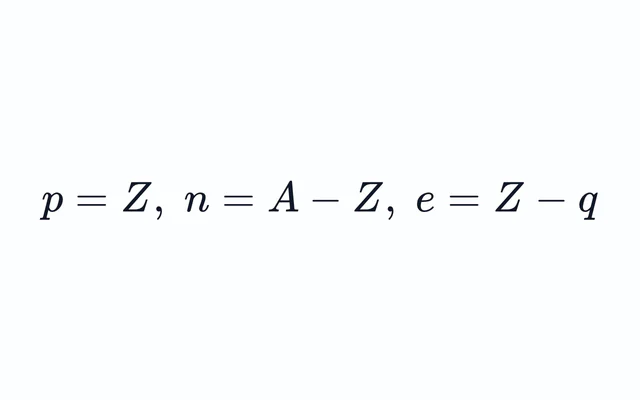
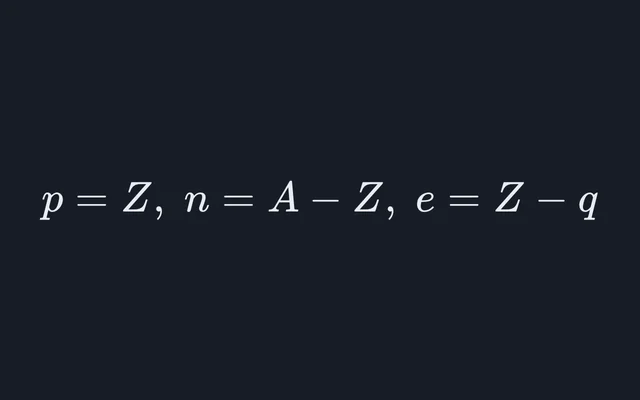
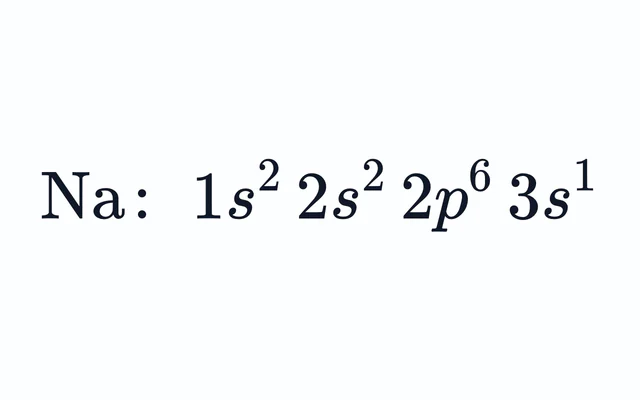
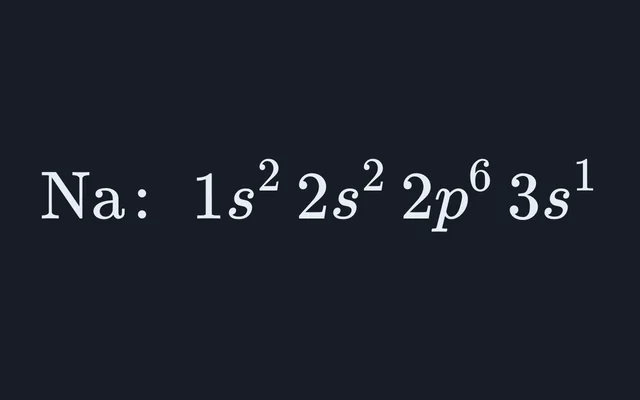
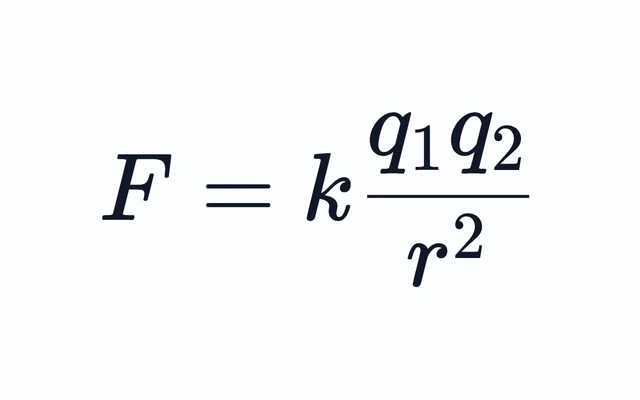
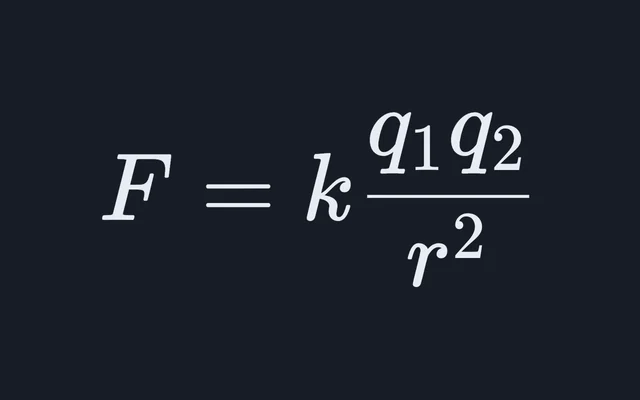
Moles and molar mass, mass spectra of elements, the composition of pure substances and mixtures, electron configuration, photoelectron spectroscopy and periodic trends.
Unit 2: Compound Structure and Properties
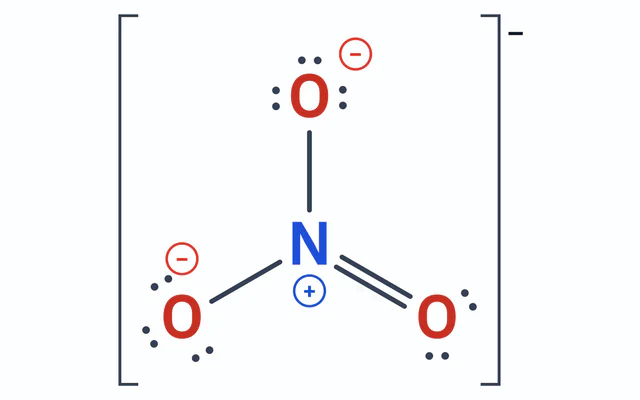
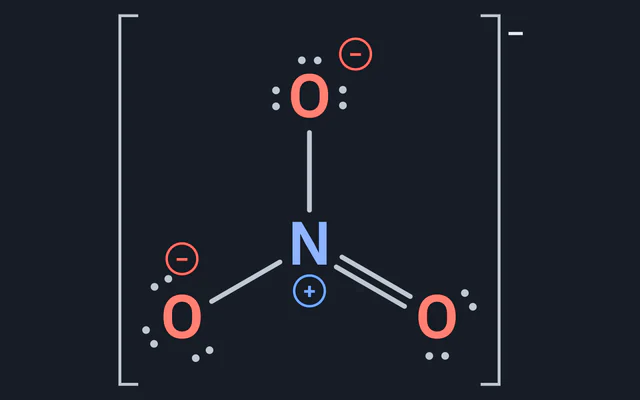
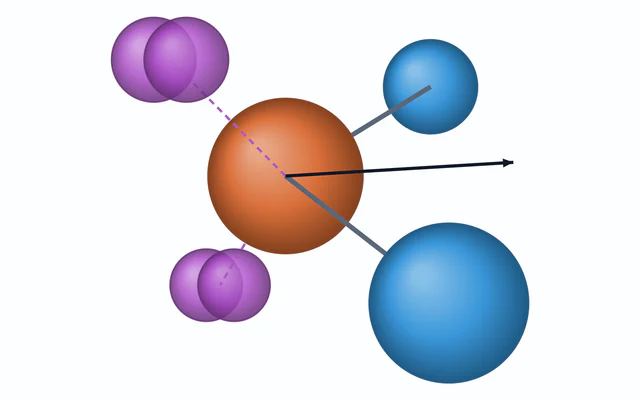
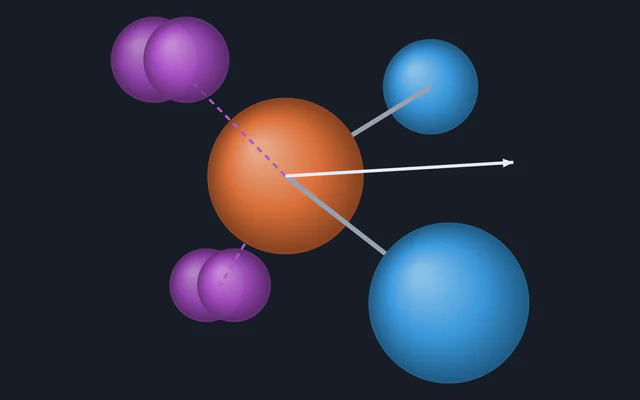
Ionic, covalent and metallic bonds, bond potential energy, the structure of ionic solids and metals, Lewis diagrams, resonance and formal charge, VSEPR and hybridisation.
Unit 3: Properties of Substances and Mixtures
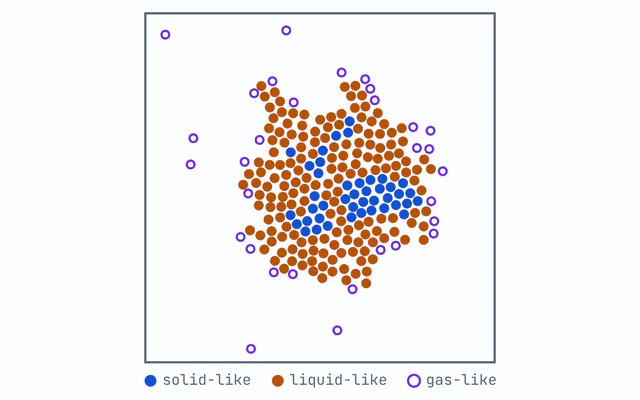
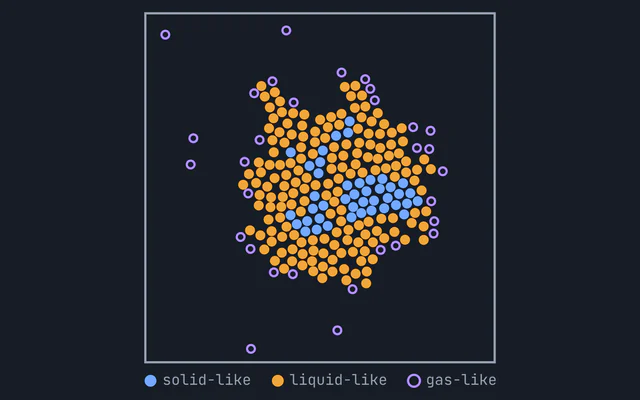
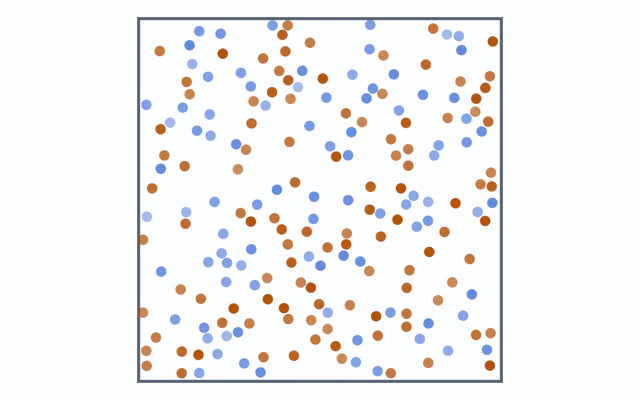
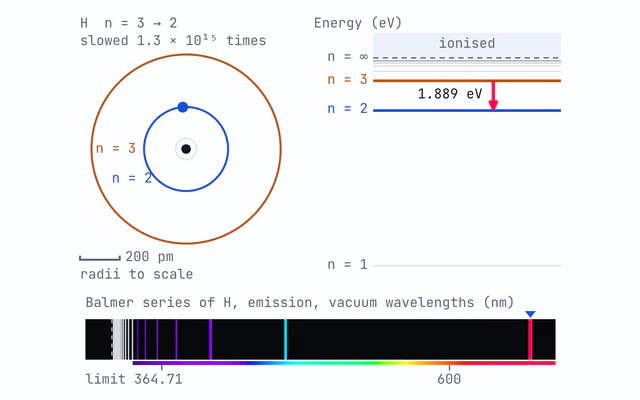
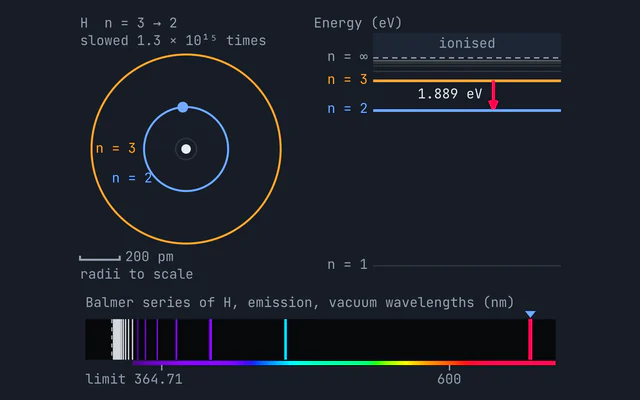
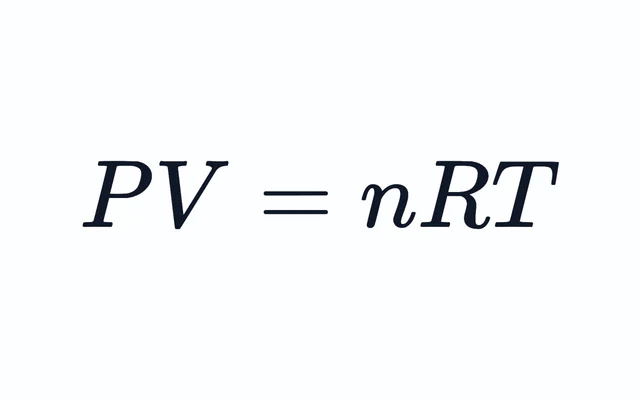
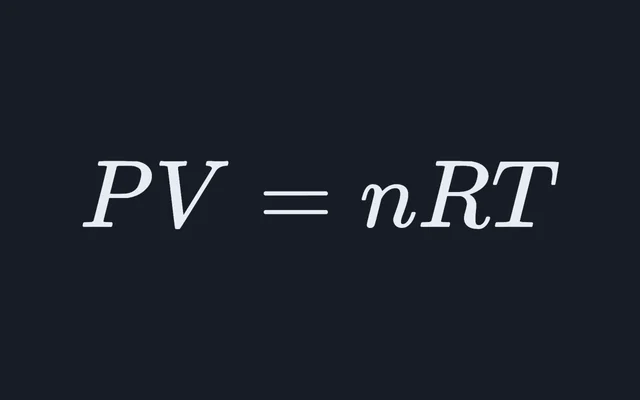
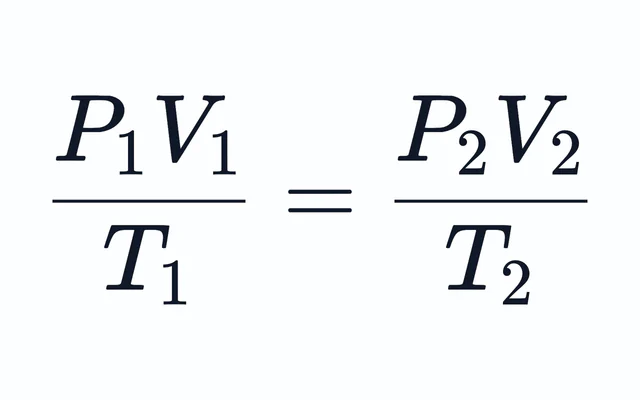
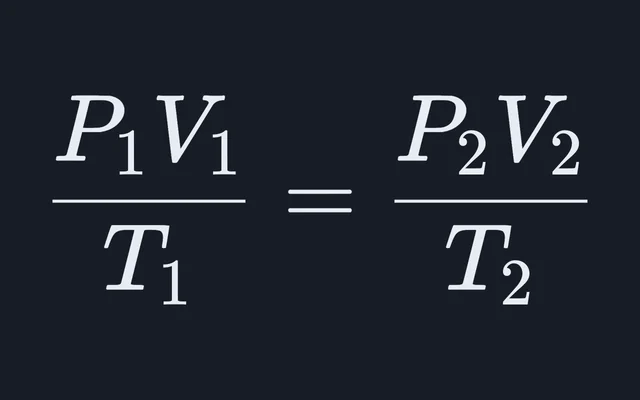
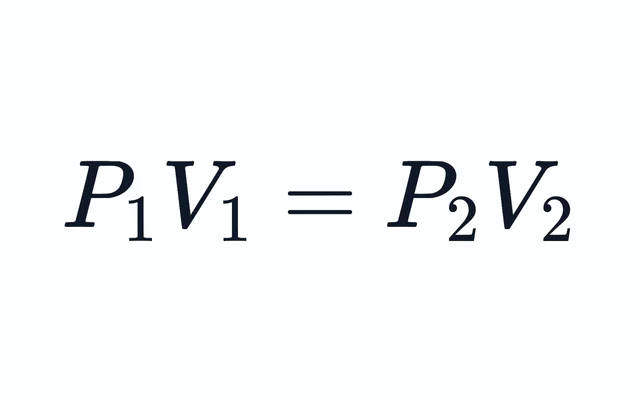
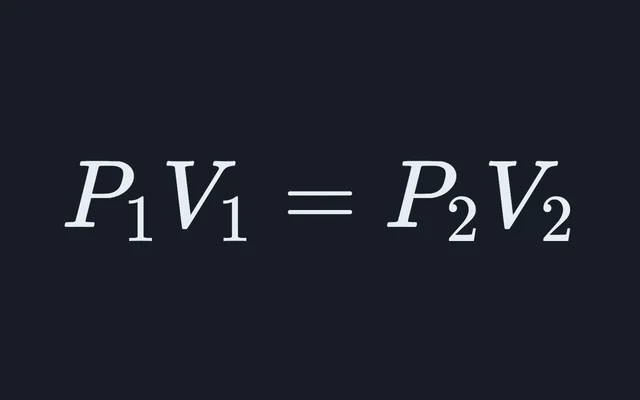
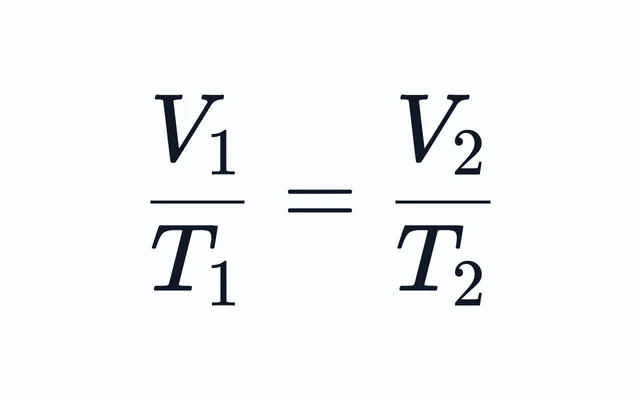
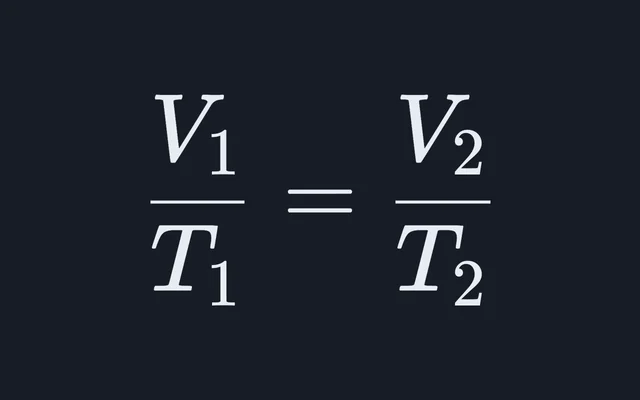
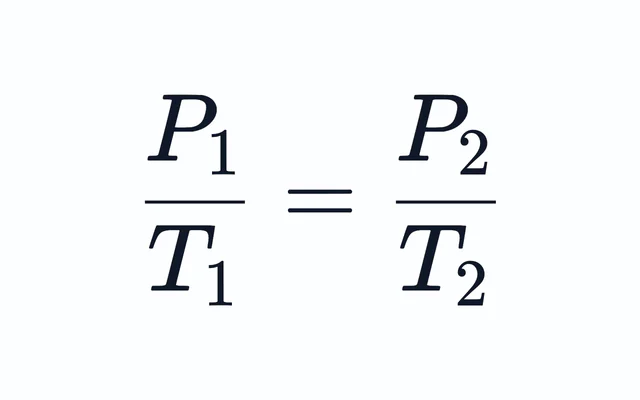
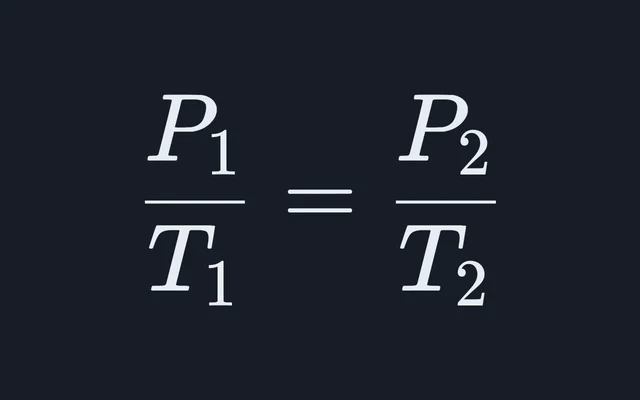
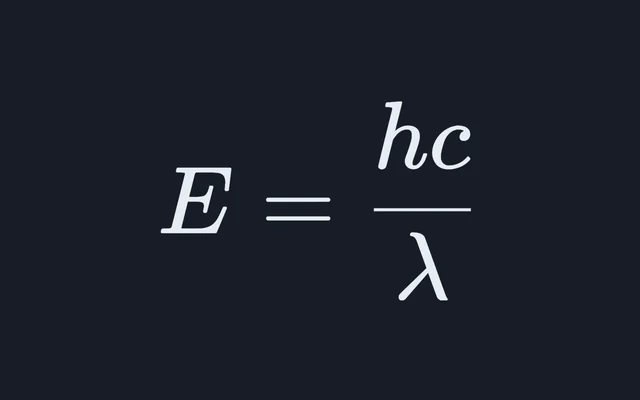
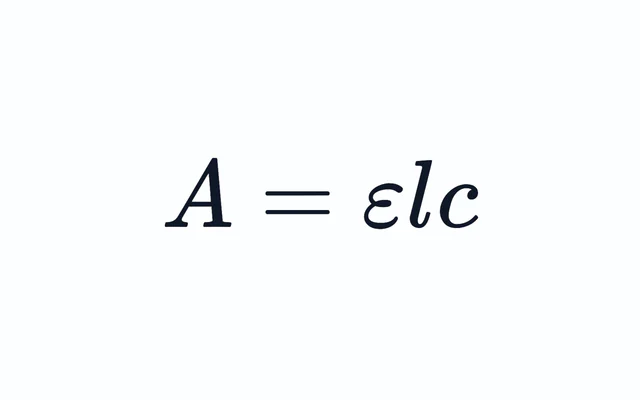
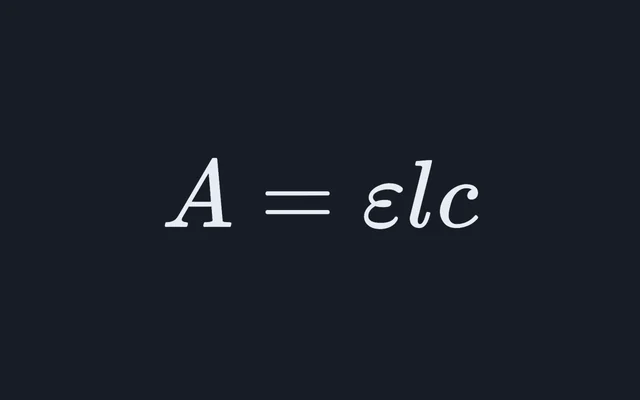
Intermolecular forces, solids, liquids and gases, the ideal gas law and kinetic molecular theory, solutions and their separation, spectroscopy, photons and the Beer-Lambert law.

Unit 4: Chemical Reactions
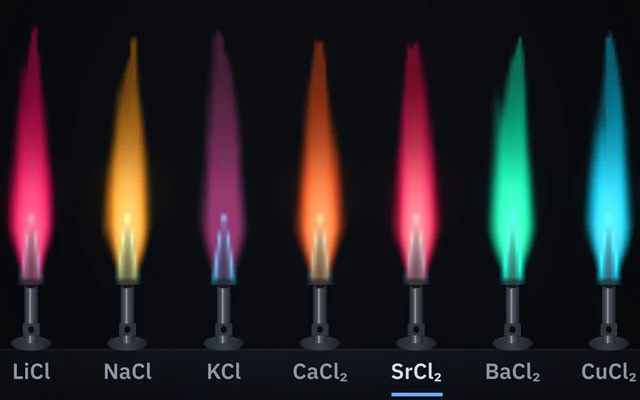
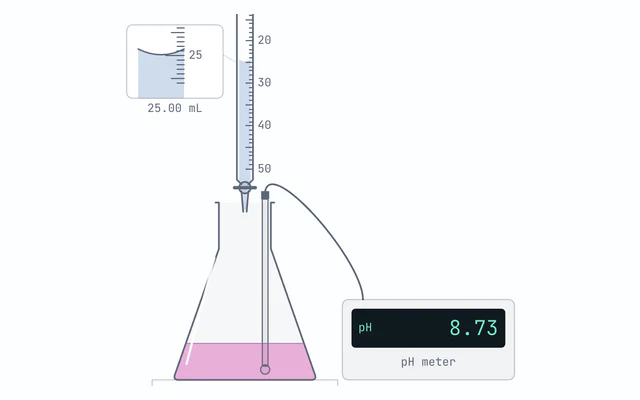
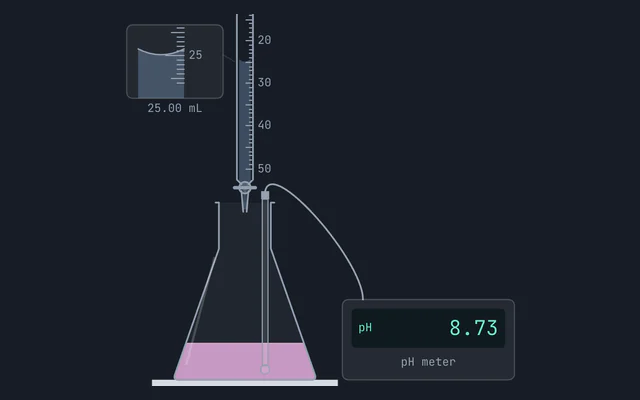
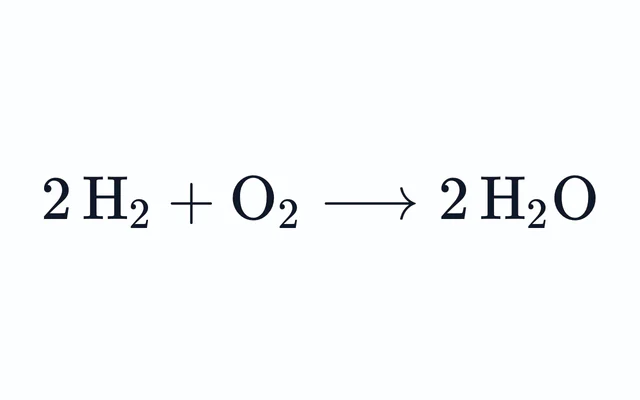
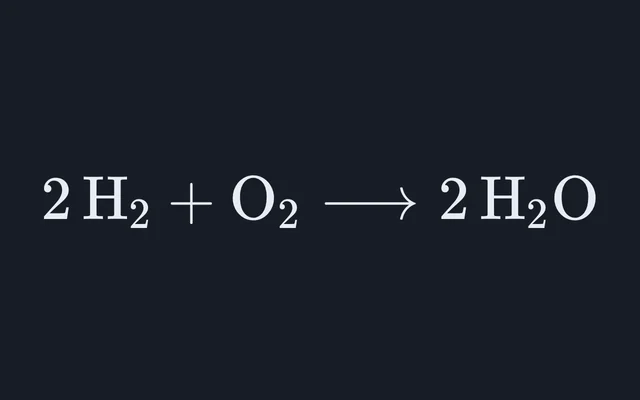
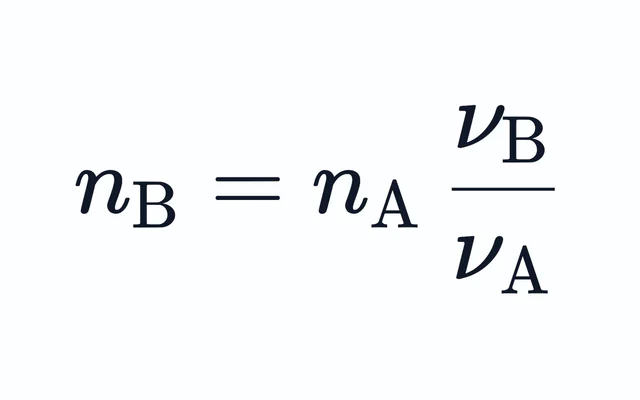
Physical and chemical changes, balanced and net ionic equations, stoichiometry, titration, and the acid-base, redox and precipitation reaction types.
Unit 5: Kinetics
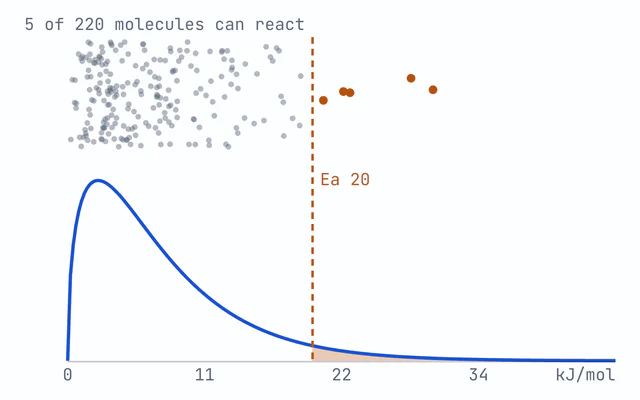
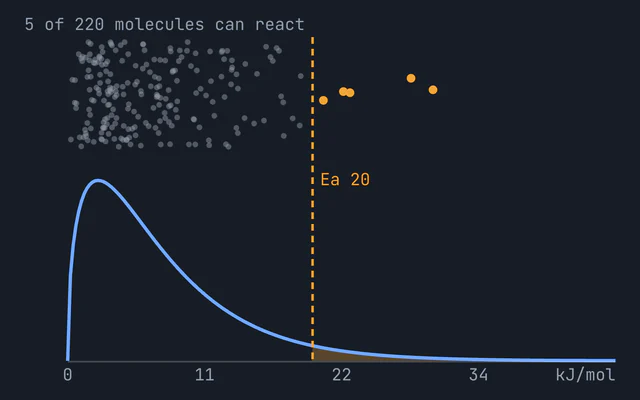
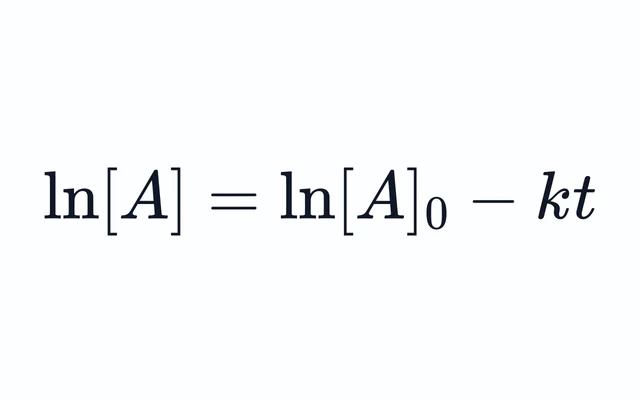
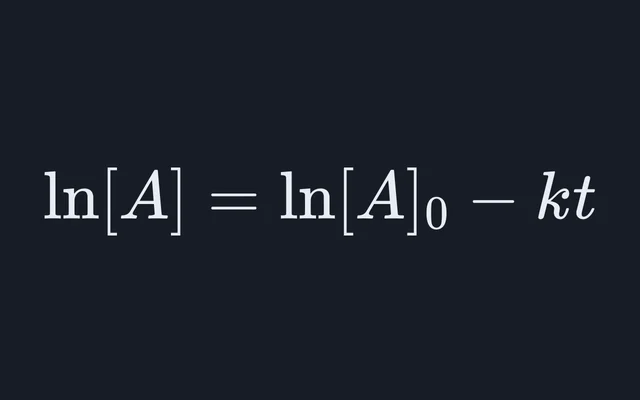
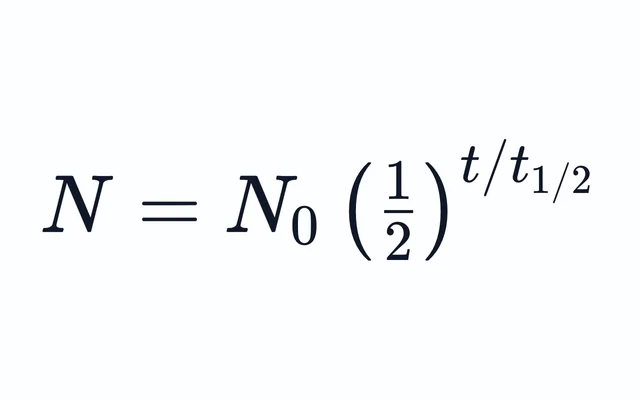
Reaction rates and rate laws, how concentration changes with time, elementary reactions, the collision model, energy profiles, reaction mechanisms and catalysis.


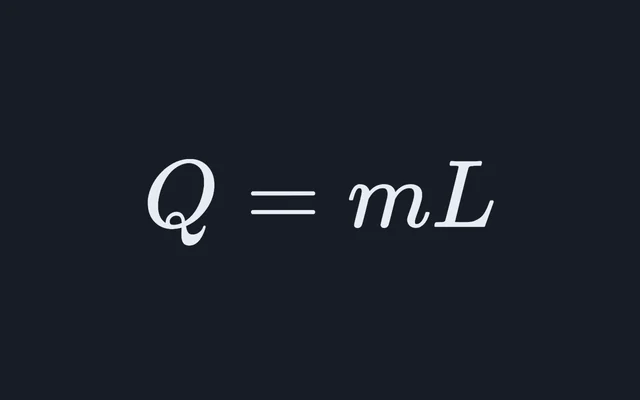
Unit 6: Thermochemistry
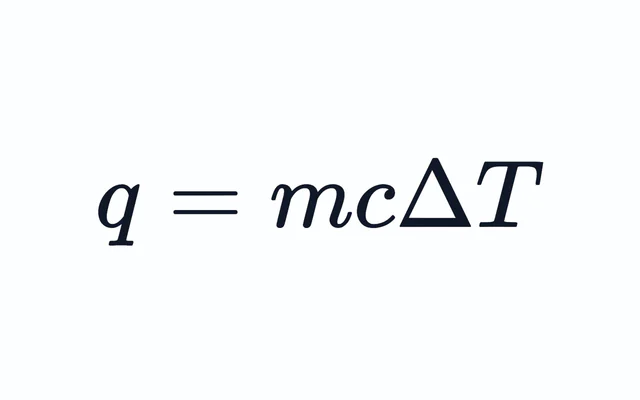
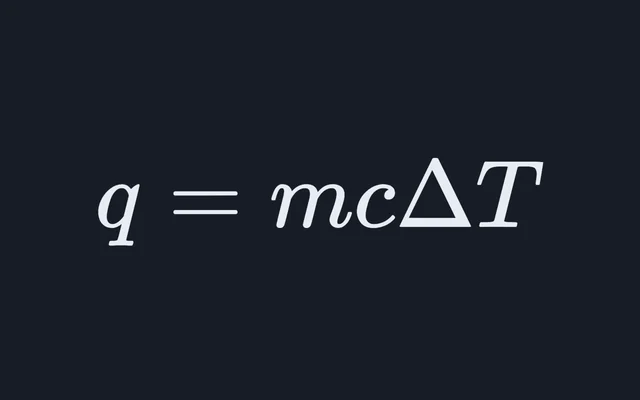
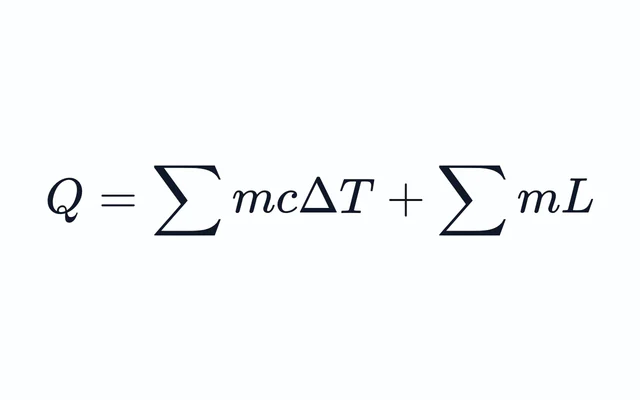
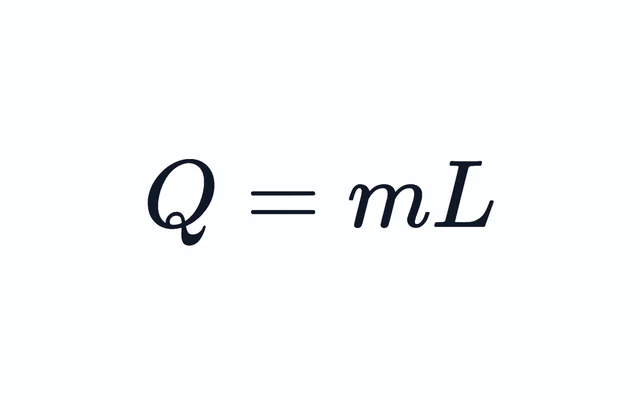
Endothermic and exothermic processes, heat transfer, heat capacity and calorimetry, the energy of phase changes, bond enthalpies, enthalpy of formation and Hess’s law.
Unit 7: Equilibrium
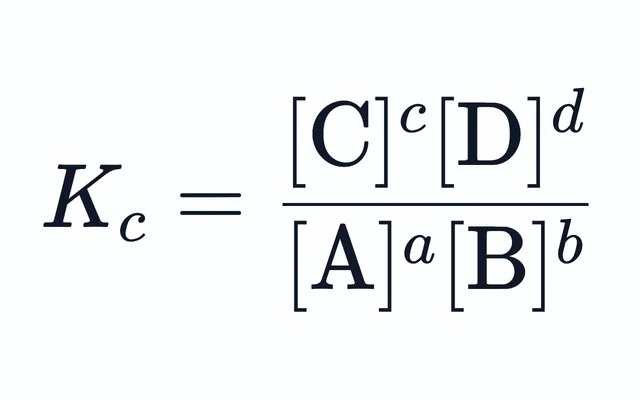
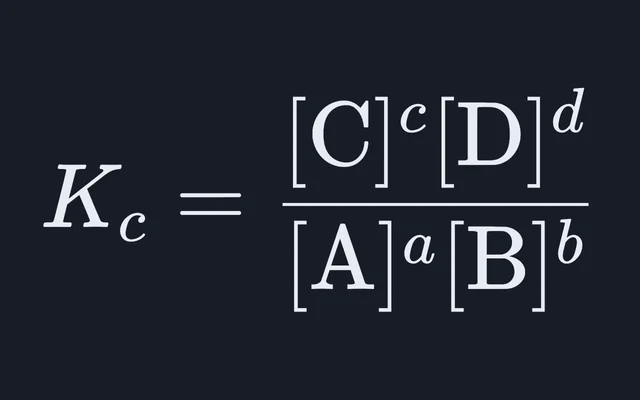
The equilibrium constant and the reaction quotient, calculating equilibrium concentrations, Le Châtelier’s principle, solubility equilibria and the common-ion effect.
Unit 8: Acids and Bases
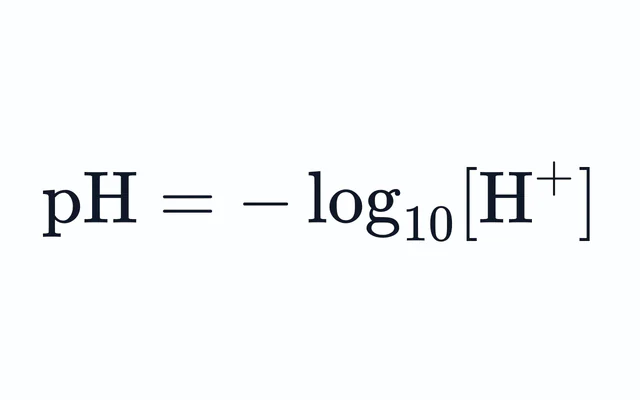
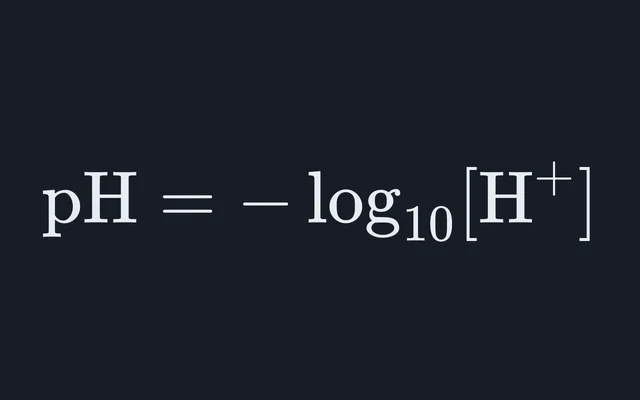
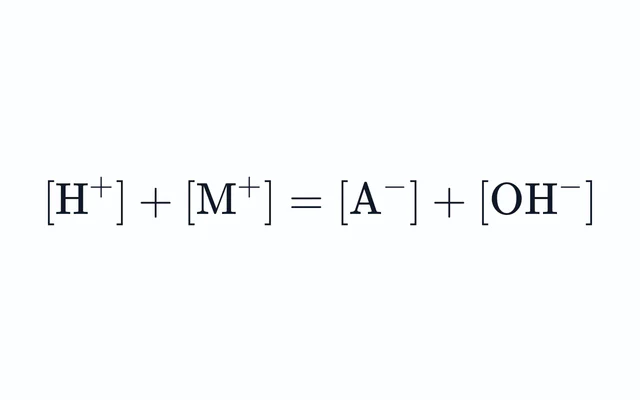
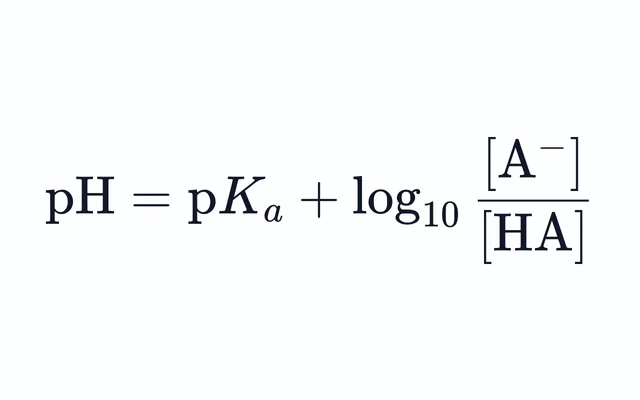
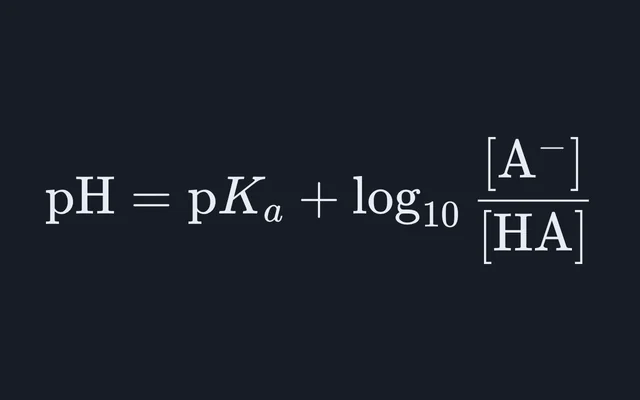
pH and pOH of strong and weak acids and bases, acid-base reactions and titrations, how molecular structure sets acid strength, buffers and the Henderson-Hasselbalch equation.
Unit 9: Thermodynamics and Electrochemistry
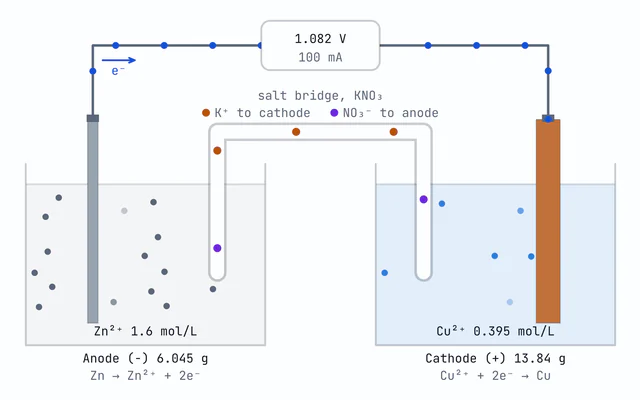
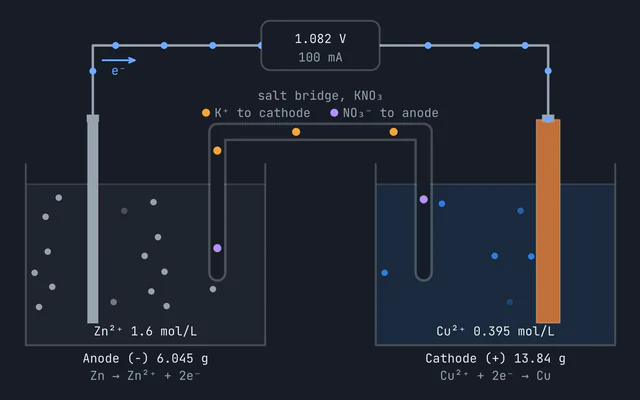
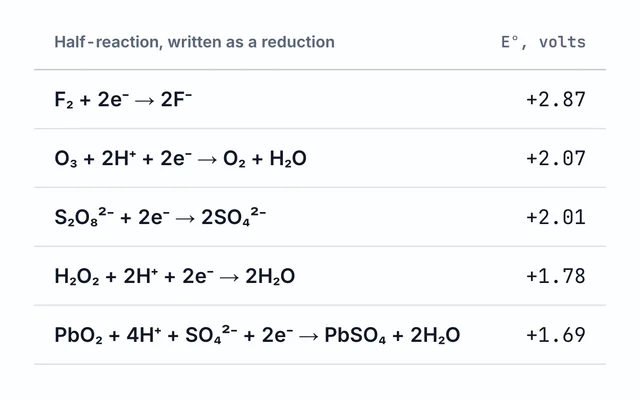
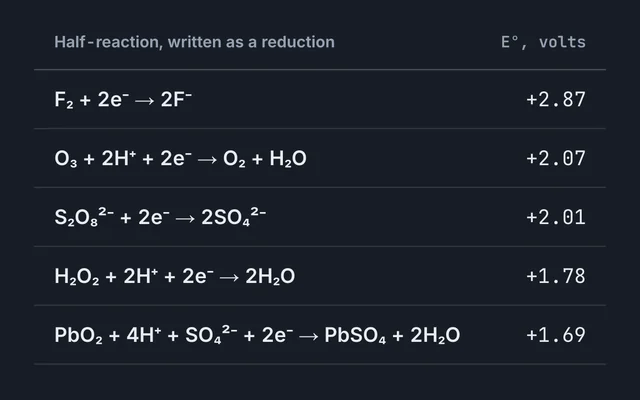
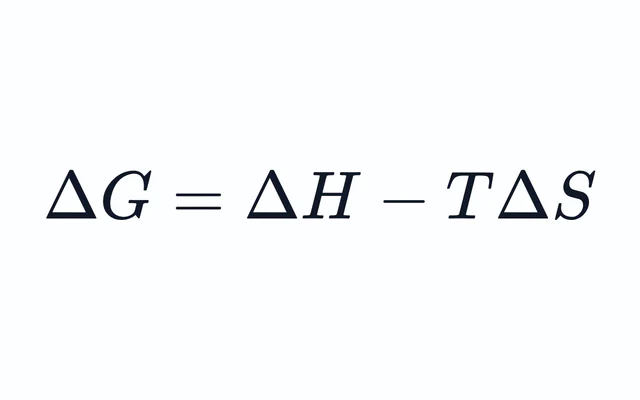
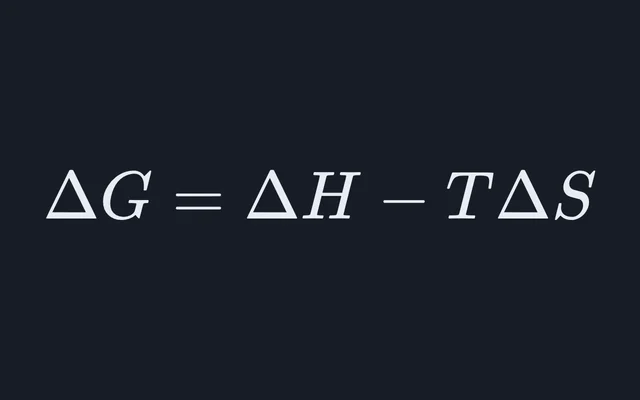
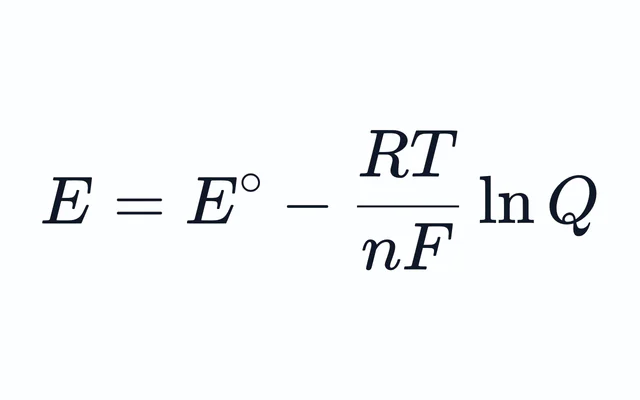
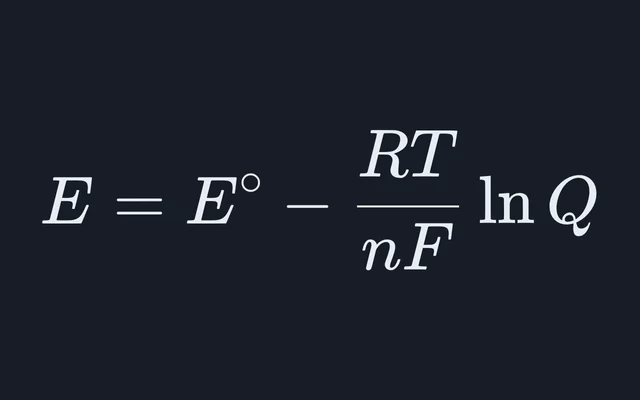
Entropy, Gibbs free energy and the sign of ΔG°, thermodynamic and kinetic control, free energy and equilibrium, galvanic and electrolytic cells, and Faraday’s law.
What are the units in AP Chemistry?
The College Board course framework divides AP Chemistry into nine units: Atomic Structure and Properties; Compound Structure and Properties; Properties of Substances and Mixtures; Chemical Reactions; Kinetics; Thermochemistry; Equilibrium; Acids and Bases; and Thermodynamics and Electrochemistry. On this page, each unit has a short summary and the tools on this site that teach it.
Unit 3 carries the most weight on the exam, 18 to 22 percent of the multiple-choice section, and Unit 8 comes next at 11 to 15 percent; each of the other seven makes up 7 to 9 percent. Where the framework says a skill will not be assessed, the matching tool is left out: colligative properties and calculations with the Arrhenius equation are both excluded, so the freezing point depression and Arrhenius equation calculators on this site are not listed.
Course outline: College Board, AP Chemistry Course and Exam Description, effective fall 2024.